
Last updated November 15, 2026
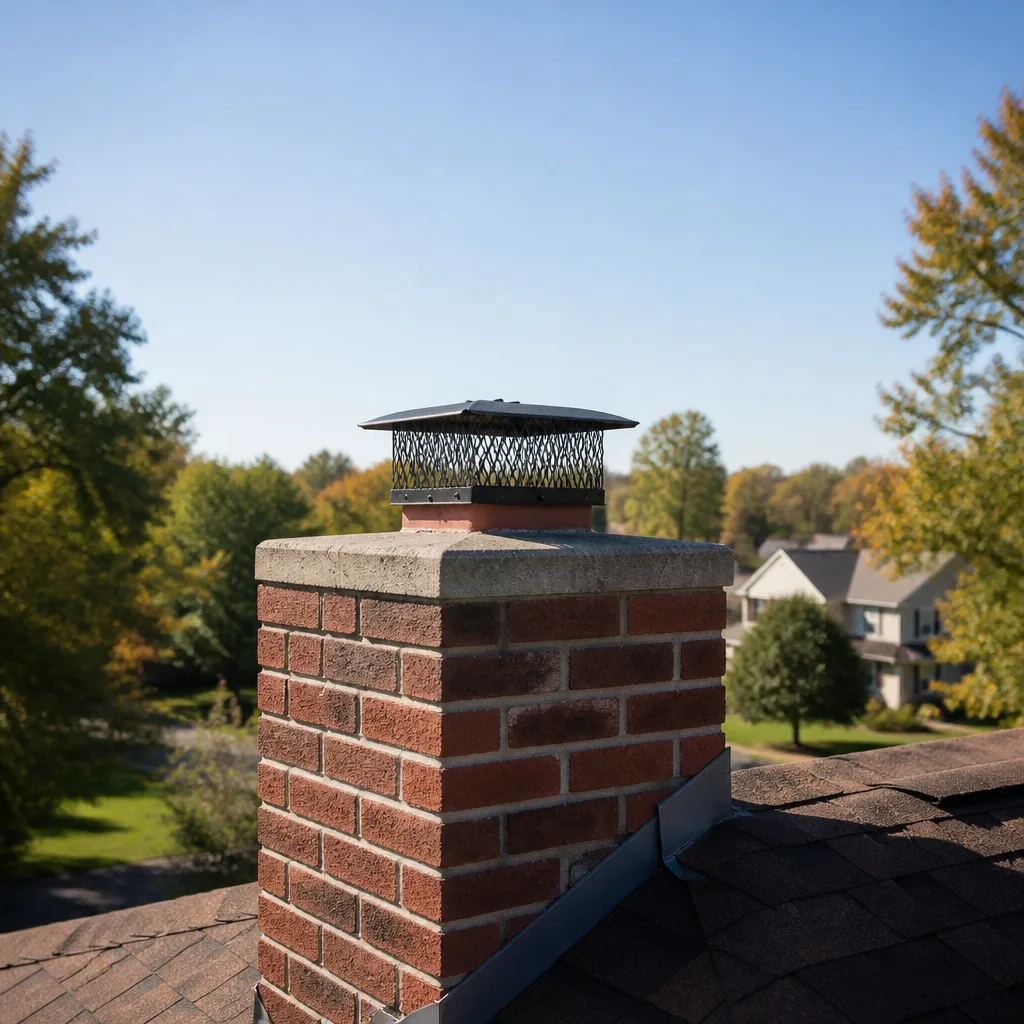 Sweep & inspection
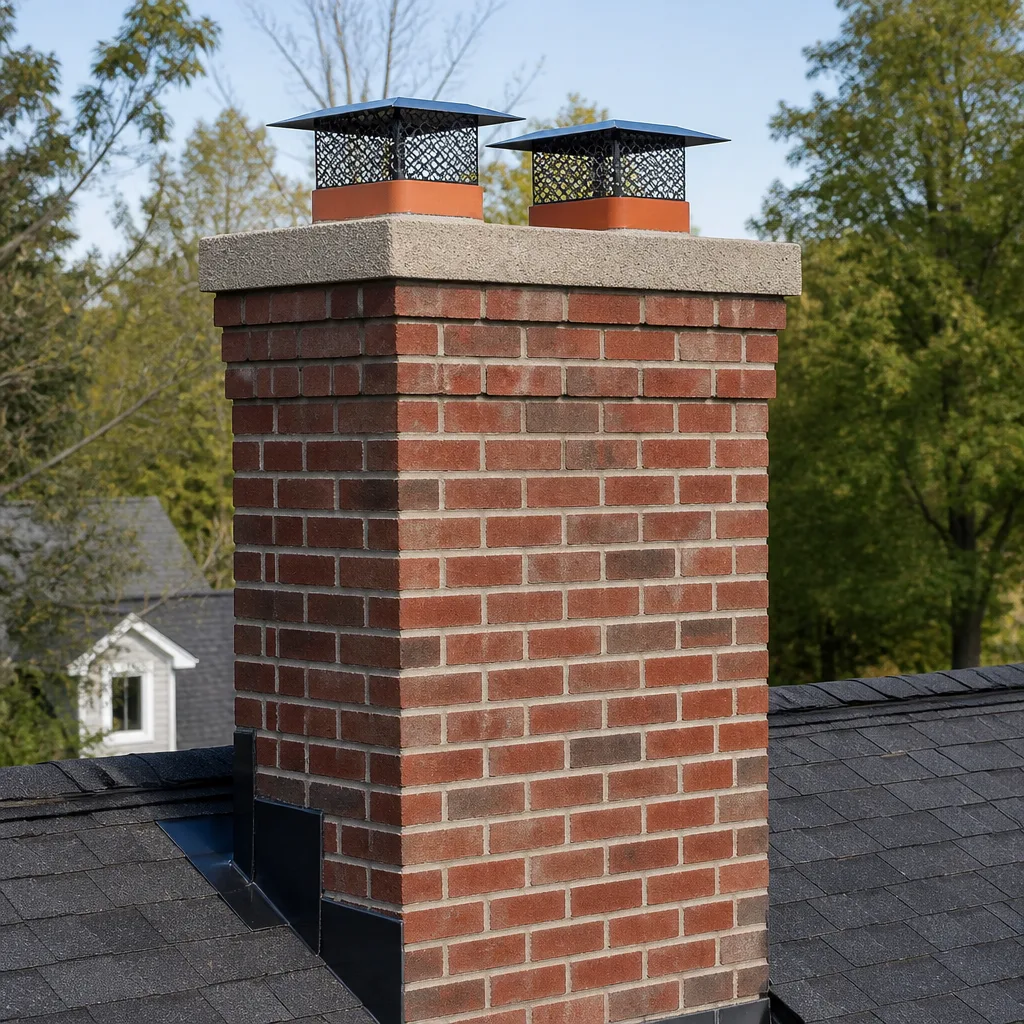 Caps & crowns
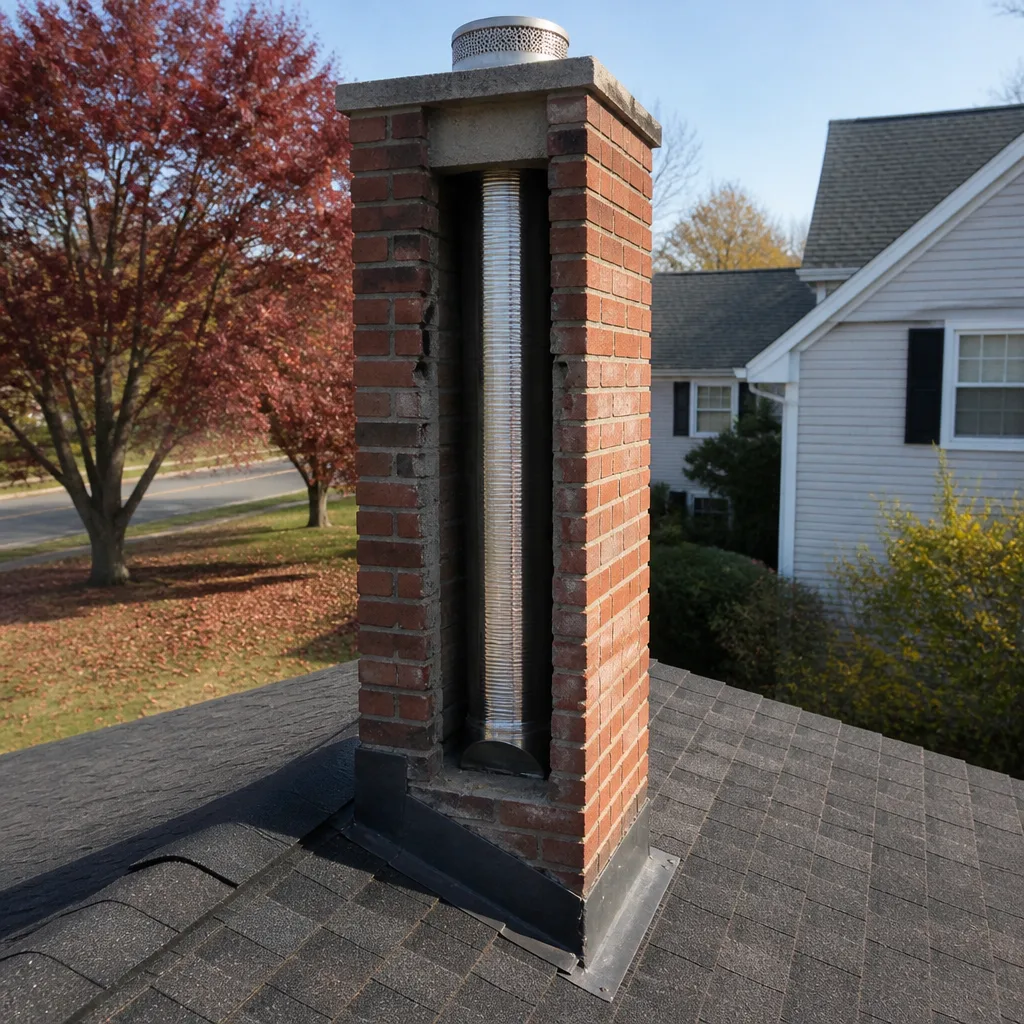 Flue relining
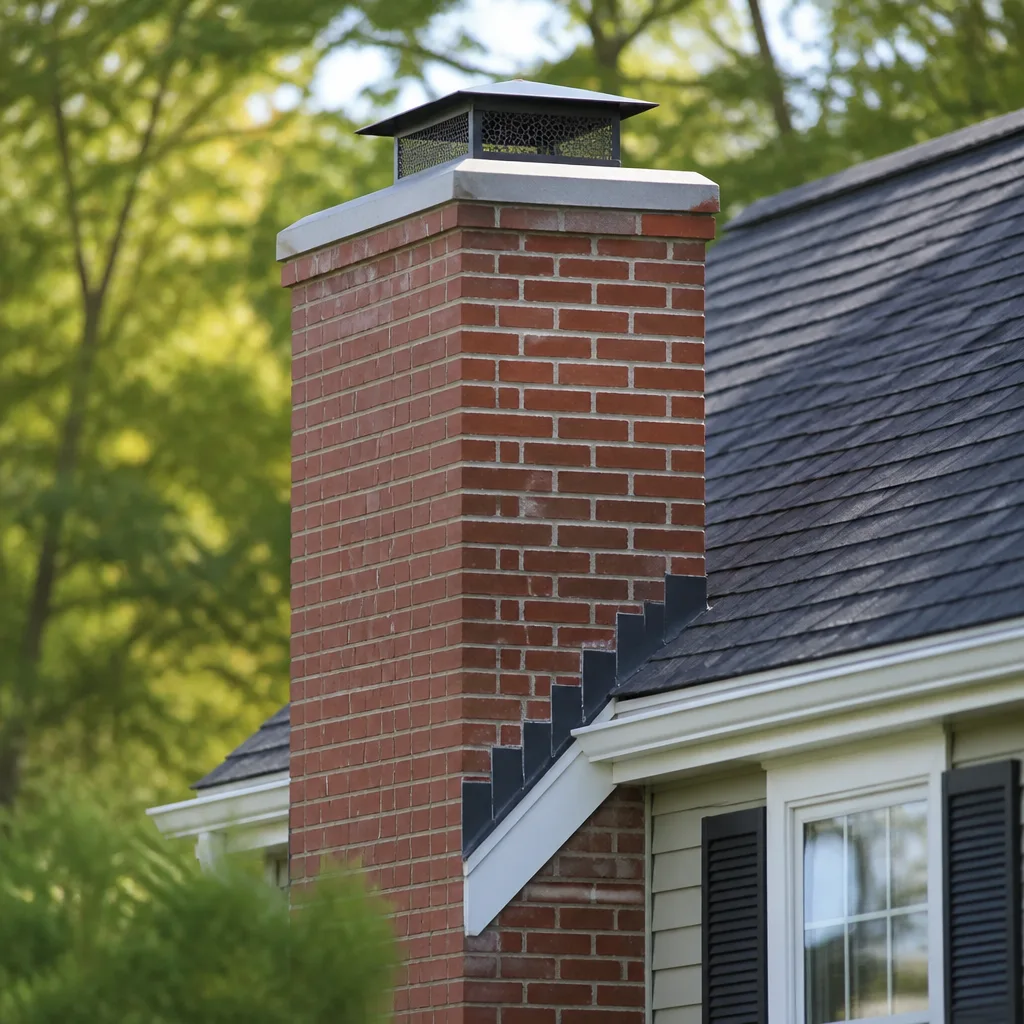 Masonry repair
 Gas fireplace service
Level 1 sweep and inspection to the NFPA 211 annual standard - flue, crown, cap, and flashing checked and photographed
Chimney sweep logs do not sweep chimneys. They loosen some creosote - which then falls where a brush and vacuum still have to collect it.
DIY vs Professional Chimney Cleaning: The Cape Coral Homeowner’s Decision Guide
You can rent a chimney brush and do a passable cleaning job on a lightly used fireplace. That part is true, and we won’t pretend otherwise. But you cannot rent the trained eye that tells a stage-one soot dusting from stage-three glazed creosote, and those two deposits call for entirely different tools, different technique, and different urgency. The brush is the easy half of a sweep. The judgment is the half that keeps a chimney safe. This guide walks Cape Coral homeowners through what DIY actually covers well, where it quietly fails, and how to decide which path fits your fireplace, your roof, and your appetite for risk.
Quick Answer
DIY chimney cleaning is reasonable for light ash and soot removal on a fireplace that sees occasional use, provided you can safely access the flue and know what you’re looking at. Professional cleaning is the safer choice whenever there’s moderate to heavy creosote, a liner you can’t see clearly, a gas insert or solid-fuel appliance, or any doubt about the chimney’s condition. The cleaning itself is the smaller part of the job; the inspection that comes with it is where most of the value sits. In Cape Coral, where a single-story ranch with a modest roofline is common, many homeowners can do basic surface maintenance, but the diagnostic work really does belong to someone with a camera and a written report.
Styles & brands we work with
- Sweep & inspection
- Caps & crowns
- Flue relining
- Masonry repair
- Gas fireplace service
Table of Contents
- What DIY chimney cleaning actually covers well
- The three things a homeowner will consistently miss
- Florida-specific DIY risks on Cape Coral roofs
- What “professional” should actually mean
- A cost-benefit framework for Cape Coral homeowners
- Creosote stages and why they change the tools
- Timing a sweep around Cape Coral’s burning season
- Common mistakes to avoid
What DIY Chimney Cleaning Actually Covers Well
Let’s be honest about the parts of chimney maintenance a careful homeowner can handle. There’s real value in knowing your fireplace firsthand, and some routine tasks don’t require a truck, a camera, or an appointment. If you own a Cape Coral home with a wood-burning fireplace and you’re comfortable on a ladder, a few maintenance habits are genuinely within reach.
Here’s what a homeowner can reasonably do:
- Light ash removal from the firebox. Scooping out ash between burns keeps airflow healthy and reduces the mess that finds its way into the room. A metal bucket and a small shovel handle this fine. Leave a thin bed of ash as a base, and never vacuum warm ash with a household vacuum.
- Basic damper check. Opening and closing the damper by hand, feeling for smooth travel and a proper seal, is a simple task that catches obvious sticking before it becomes a smoky fire.
- Visual firebox inspection. With a flashlight, you can look at the firebrick and mortar joints for cracks, crumbling, or gaps. You’re looking for anything that lets heat reach the structure behind the brick, and a visual check is a sound habit.
- Cap and crown eyeball check. From the ground with binoculars, or from a safe vantage, you can spot a missing cap, a visible crack in the crown, or debris sitting on top. That’s a legitimately useful glance.
- Light soot brushing on an easily accessed flue. On a straight, unobstructed flue with light deposits, a homeowner with the right brush diameter and proper rods can make a pass. This is the ceiling of DIY competence.
Notice what all of these have in common: they’re surface-level, visual, and non-diagnostic. They keep a healthy chimney healthy and catch the obvious. What they don’t do is evaluate the inside of the flue where the actual risk lives. And that’s the honest limit of the brush-and-flashlight approach, whether you’re in Cape Coral or anywhere else.
The Three Things a Homeowner Will Consistently Miss
In our experience, three specific problems slip past even a diligent homeowner with a brush and a flashlight. Not because the homeowner is careless, but because these issues are either physically invisible, require equipment, or both. Knowing exactly what they are helps you decide when the pros become the right call.
1. Liner fractures
A clay tile liner can crack where you can’t see it, especially at joints, behind offsets, or in the upper reaches of the flue. A crack that looks like a hairline down low might be a full fracture up top. Without a camera, you’re inspecting the flue the way you’d inspect a pipe by peering into one end of a dark hallway. A cracked liner lets heat, embers, and carbon monoxide reach materials that were never meant to see them. This is the single biggest reason camera inspection exists, and it’s the finding that most often changes a “routine cleaning” into a repair conversation. DuraFlex flexible liner systems are commonly specified when a damaged flue needs relining, precisely because they follow the contours of older or offset chimneys.
2. Hidden animal nesting
Chimneys make excellent real estate for wildlife, and Florida has no shortage of animals looking for a sheltered cavity. Nests, debris, and even the occupants themselves can block the flue, and a blocked flue is a carbon monoxide problem waiting to happen. You can hear scratching or smell something off, but by the time it’s obvious from inside the house, the blockage is serious. A camera sees it before you light a fire.
3. Flashing separation
Flashing is the metalwork that seals the chimney where it meets the roof. When it pulls away, winds and heavy rain push water into the structure, and Florida’s summer storms put that joint to work. From the ground you’re looking upward at an awkward angle, and the gap can be small, hidden behind roofing, or masked by a bead of old sealant. Water tracking inside a chimney often shows up as a ceiling stain somewhere far from the chimney itself. By then, the leak has had time to work.
These three findings are why we say the real value of professional service isn’t the cleaning itself. The cleaning is the deliverable you can see. The camera inspection and the trained eye that goes with it are where the peace of mind actually comes from. Every sweep we perform includes a camera inspection and a photo report, so the homeowner sees exactly what we see and can make an informed decision instead of taking our word for it.
Florida-Specific DIY Risks on Cape Coral Roofs
Chimney care anywhere involves climbing, but Cape Coral adds its own wrinkles. If you’re weighing DIY, these are the local realities worth factoring into the decision, because they’re the ones most likely to bite.
Roof pitch and access
Many Cape Coral homes have rooflines that are steeper than they look from the yard, and steep-pitch roofs are unforgiving. A slip on a dry roof is bad; a slip on a dew-slick roof early in the morning is worse. If your chimney sits near a ridge, a valley, or a dormer, the safe working positions shrink fast. Professional chimney work is done with roof anchors, proper ladders, and an awareness of when the roof is too wet or too steep to be up there at all. Those are the calls a trained technician makes without thinking twice.
Bats and other protected wildlife
Chimneys are prime roosting spots for bats, and bats are protected in Florida. Disturbing a roost during the wrong season or handling bats improperly is a protected-species issue, and it’s not something to improvise. If you brush a chimney that has bats inside, you can create a mess and a legal headache at the same time. A professional knows how to identify roosting activity and what to do next, including the timing of any work around it. This is one of those places where “I’ll just go up and heat things up” turns into a problem you can’t solve yourself.
Stucco chimneys and misread damage
Cape Coral has a lot of stucco, and stucco chimneys can hide real problems behind a surface crack that looks cosmetic. Distinguishing a finish crack from a crack that’s letting water into the structure takes a trained eye and, often, a moisture meter. Homeowners who try to self-diagnose stucco damage tend to either overreact and patch a harmless crack or underreact and ignore the one that actually matters. Either way, the diagnosis is the hard part.
One more local note: hurricanes and tropical systems move caps, flashing, and debris. After a storm season, an inspection is worth having done by someone who knows what storm damage looks like on a chimney, not just what a clean flue looks like. That’s part of why we offer chimney repair alongside cleaning, so a storm finding doesn’t turn into two separate contractors and a lot of waiting.
What “Professional” Should Actually Mean
The word “professional” gets used loosely in this trade. Anyone with a truck and a set of rods can call themselves a chimney sweep. When a Cape Coral homeowner is deciding between DIY and hiring out, the question isn’t really “professional or not” – it’s “what does professional look like when it’s done right?” Here’s what that should mean to you.
- Certification and craft focus. The industry benchmark is CSIA certification, which requires specific training and testing. Beyond certification, a chimney-only specialist brings year-round focus to one trade. A generalist who rotates between roofing, gutters, and HVAC may own the same equipment, but the expertise is spread thinner. We work on chimneys. That’s it. That focus is the difference, and it’s why our technicians concentrate exclusively on chimney systems.
- Camera inspection capability. A proper inspection uses a camera, not just a flashlight. Ask whether the camera and a printed or emailed condition report are included. If they’re not, the sweep is only half done.
- A written condition report. You should walk away with documentation of what was found, not a verbal “looks fine.” A written report with photos lets you track the chimney’s condition over time and gives you something concrete to act on.
- Materials with manufacturer backing. When a repair is needed, the parts matter. We use materials from recognized industry brands – Olympia Chimney for caps and components, Famco caps and shrouds, DuraFlex flexible liners, and HeatShield for flue restoration. Those names mean something to anyone who works on chimneys for a living. The right liner for your flue gets installed with the right product, not whatever’s on the truck.
- A flat-price estimate agreed before booking. You should know the price before anyone shows up. The final price is set by the written estimate, and the inspection and cleaning should come with the camera work and photo report included, not sold as an add-on later.
For a closer look at what a proper visit involves, our chimney sweep service page walks through the process step by step. But the test above is the one to apply to any company you’re considering, including us.
A Cost-Benefit Framework for Cape Coral Homeowners
This is the part most guides skip. DIY isn’t always wrong, and professional service isn’t always necessary. The honest answer is to match the approach to the actual condition and use pattern of your chimney. Here’s the framework we’d apply if this were our own home.
DIY maintenance is sensible when all of these are true
- The fireplace sees light use – occasional fires, not daily burning through the season.
- You can see light, powdery soot deposits at the firebox and the accessible part of the flue.
- You can safely access the chimney without walking a steep roof or using a shaky ladder.
- No liner damage has ever been noted, and the last professional inspection was recent enough that you’re confident of the condition.
- You’re doing surface maintenance between professional checks, not treating DIY as a substitute for inspection.
Professional service is the right call when any of these are true
- You’re seeing moderate or heavy creosote – anything sticky, crunchy, or shiny rather than dusty.
- The chimney has a gas insert, a wood stove, or another solid-fuel appliance that runs harder than a decorative fireplace.
- You’ve had a chimney fire, or you suspect you have.
- You smell smoke or odor in the house when the fireplace isn’t in use, or you hear animals.
- There’s visible water staining, a cracked crown, missing cap, or separated flashing.
- You’ve never had the chimney inspected and the liner condition is unknown.
The honest liability piece matters too. If a DIY cleaning disturbs a liner you didn’t know was cracked, or if you skip inspection for a few seasons, the repair cost down the road can dwarf the cost of getting it checked. Creosote left to build becomes harder to remove, and a damaged liner left unchecked can mean relining rather than a straightforward cleaning. Catching problems early is almost always the cheaper path. These are estimates only – the written estimate sets the final price – but as a general guide, a cleaning and inspection visit is modest compared to a reline or a rebuild, and the inspection is what tells you which one you’re heading for.
| Approach | What it handles well | What it leaves uncovered |
|---|---|---|
| DIY surface maintenance | Ash, light soot, damper function, visible firebox wear | Liner condition, hidden nesting, flashing, creosote grading |
| Professional sweep + inspection | Full flue cleaning, camera inspection, written report, creosote grading | Nothing in the cleaning scope – repairs, if needed, are quoted separately |
Creosote Stages and Why They Change the Tools
This is the piece that decides whether DIY even applies. Creosote isn’t one substance – it’s a progression, and the stage you’re at determines what tool and what skill the job requires. A homeowner with a brush can handle stage one. Stage three is a different animal.
- Stage one: light soot and flaky deposit. This is the powdery, dusty layer you see in a chimney that burns hot with seasoned wood and sees regular use. A standard brush removes it without much fuss. This is the zone where DIY surface cleaning makes sense, provided you’re safe on the roof.
- Stage two: sticky, crunchy, or firm deposit. At this point the deposit is clinging to the flue and takes more than a quick pass. A brush alone often doesn’t cut it, and the technician has to judge whether chemical treatment, mechanical tools, or a combination is needed. This is where most homeowners should stop and call.
- Stage three: glazed creosote. The deposit has hardened into a shiny, tar-like layer that a brush will skate right over. It’s the most flammable form of creosote and the hardest to remove. It requires specific tools and technique, and it’s a fire hazard if it’s left in place. There is no DIY path through stage three worth taking.
The trained eye can look at a deposit and tell you which stage you’re in, which tool the job needs, and whether it’s a cleaning or something more. That’s the diagnostic value we keep coming back to. You can own the brush; you can’t own the grading without the experience behind it. If you’re in Cape Coral and aren’t sure what you’re looking at, that’s the moment to book a sweep rather than start guessing. Calling (888) 247-9034 will get you a free estimate. We answer 24/7, with fast dispatch from 7am to 7pm, Sunday through Friday.
Timing a Sweep Around Cape Coral’s Burning Season
In a place with mild winters, the burning season is shorter and more episodic than it is up north. Cape Coral homeowners tend to light fires on the occasional cool evening and around the holidays rather than burn daily through the cold months. That pattern matters for timing.
The practical advice is to inspect before you light, every season. That means a chimney check ahead of the first cool evening when you plan to use the fireplace, not after something smells wrong. A sweep done before the fire is lit means the flue is clean for the fires you’re actually going to have. A sweep done in the middle of the season means you burn on a dirty flue for a few more weeks. The difference is small in cost and significant in risk.
Because the burning season is mild here, deposits can sit in a flue for a long stretch between fires, and animal activity, storm debris, and water intrusion all have more time to work. A Cape Coral chimney that sat unused through the rainy season is exactly the kind of chimney worth checking before you light it. For a fuller picture of the local picture, see our Cape Coral page. If you want the broad overview of who we are and how we work, our main Cape Coral Chimney Sweep page covers it.
For homeowners in neighborhoods across the city, whether you’re near the river, in the southwest, or toward the north side, the timing advice holds the same. A booked sweep before the season is the low-effort move that pays off all winter.
Common Mistakes to Avoid
- Treating a brush pass as a full cleaning. Brushing knocks down the loose stuff and leaves the diagnosis undone. A chimney that’s been brushed but never camera-inspected hasn’t really been checked. In Cape Coral, where the burning season is short and easy to skip, it’s tempting to brush and call it a year, and that’s exactly how liner problems go unnoticed.
- Assuming steep-roof access is fine because it looks fine from the ground. Pitch is much harder to judge from the yard than from the roof. A homeowner who climbs a roof to do a “quick brush” is taking a real fall risk for a modest job. If you can’t safely stand and work on the roof, or you’re not sure you can, that’s a call, not a climb.
- Ignoring animal activity until it’s obvious. Scratchy sounds, odd smells, or a visible nest mean a blockage, and disturbed bats in Florida are a protected-species problem. Don’t brush first and ask questions later. Get the flue assessed before you do anything, and let someone who knows the species rules handle the timing.
- Self-diagnosing stucco cracks. Cape Coral’s stucco chimneys hide the difference between a finish crack and a structural one. Patching over a cosmetic crack is harmless; patching over a leak isn’t. A moisture reading and a trained eye prevent the guess.
- Buying a generic brush without matching the flue size. A brush that’s too small scrubs less effectively and one that’s too large can stress the liner. Matching brush to flue is a small detail that changes the result, and it’s easy to get wrong when sizing from memory.
- Skipping inspection to save on the visit. The inspection is the whole point. Saves a little up front, risks a lot later, especially when a reline is the outcome a cracked liner eventually forces.
- Leaving glazed creosote in place. Stage-three creosote is the most flammable deposit a chimney can carry, and it’s the one a brush will not remove. If a technician grades your deposit as stage three, that’s not an upsell, that’s a hazard to address. The same goes for a suspected chimney fire – get it assessed rather than talked past.
See the difference
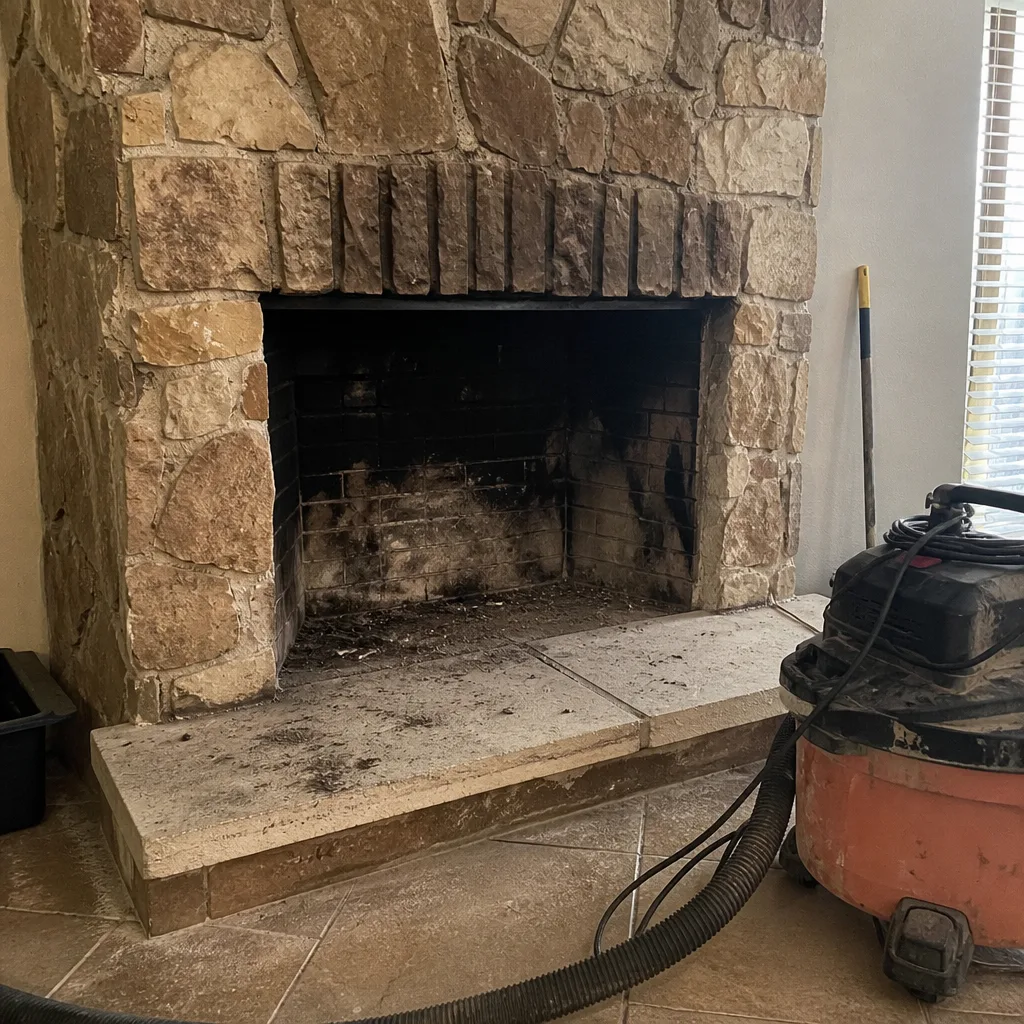 Before
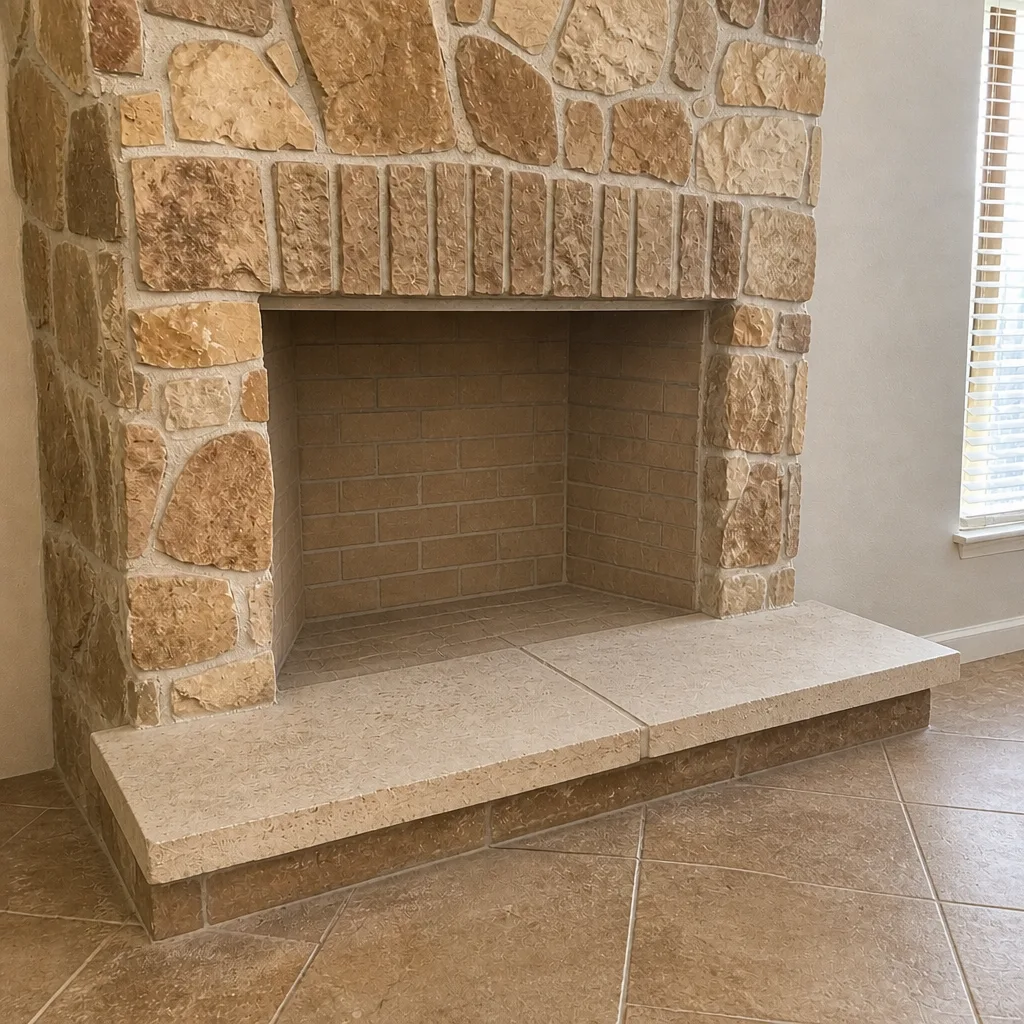 After
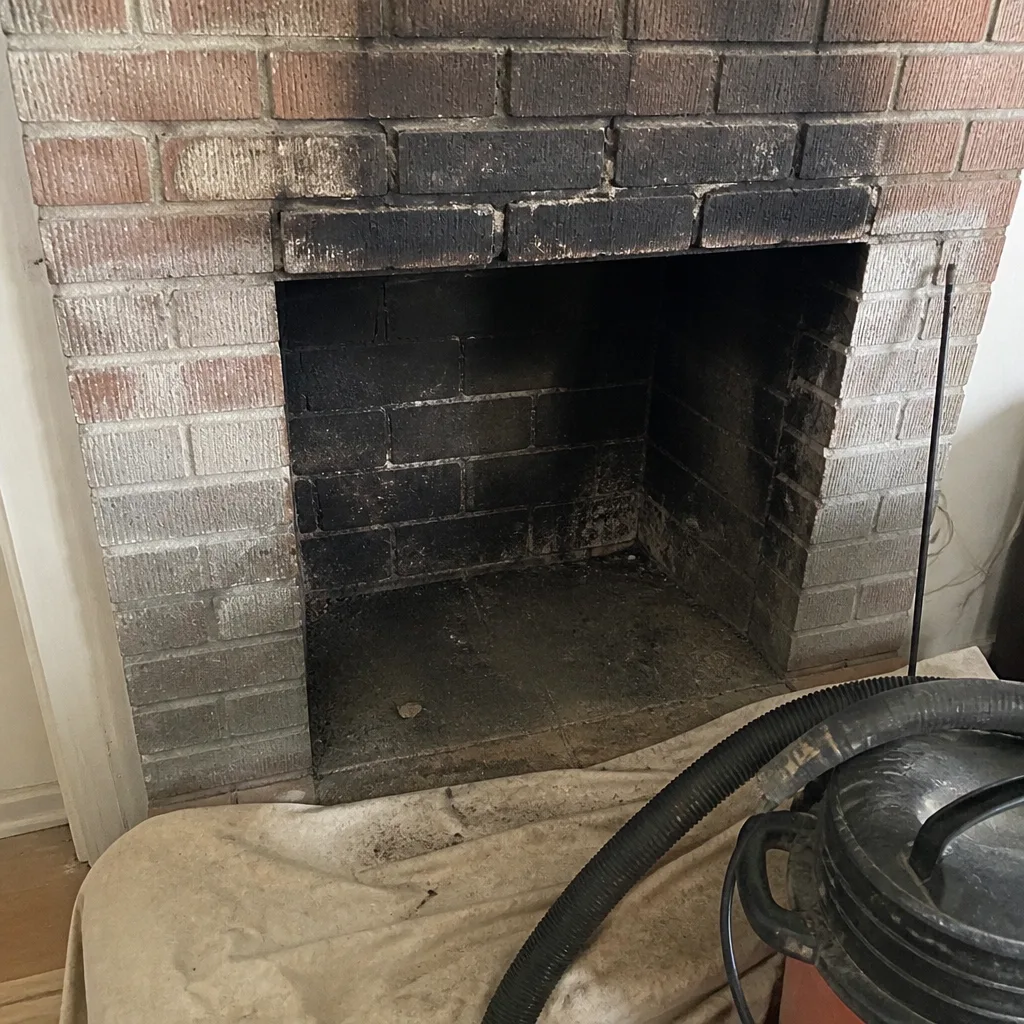 Before
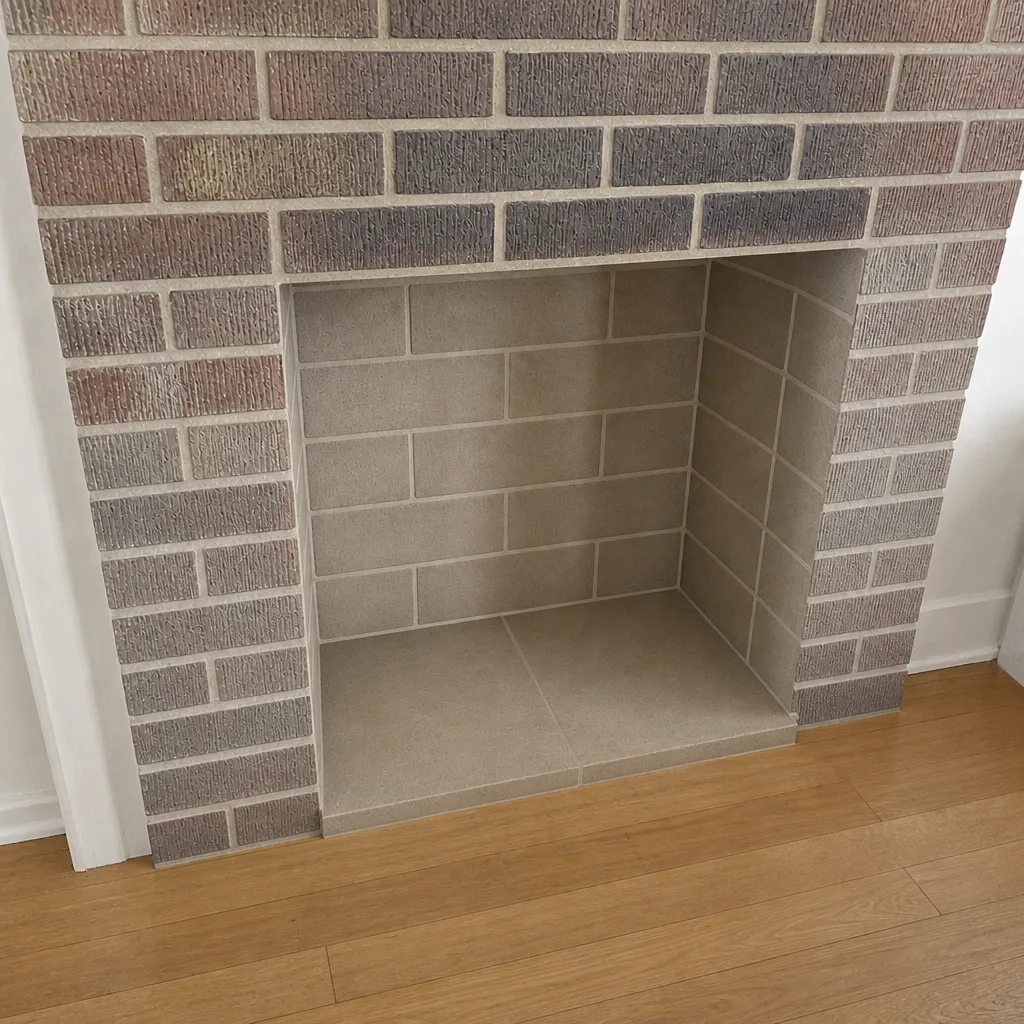 After
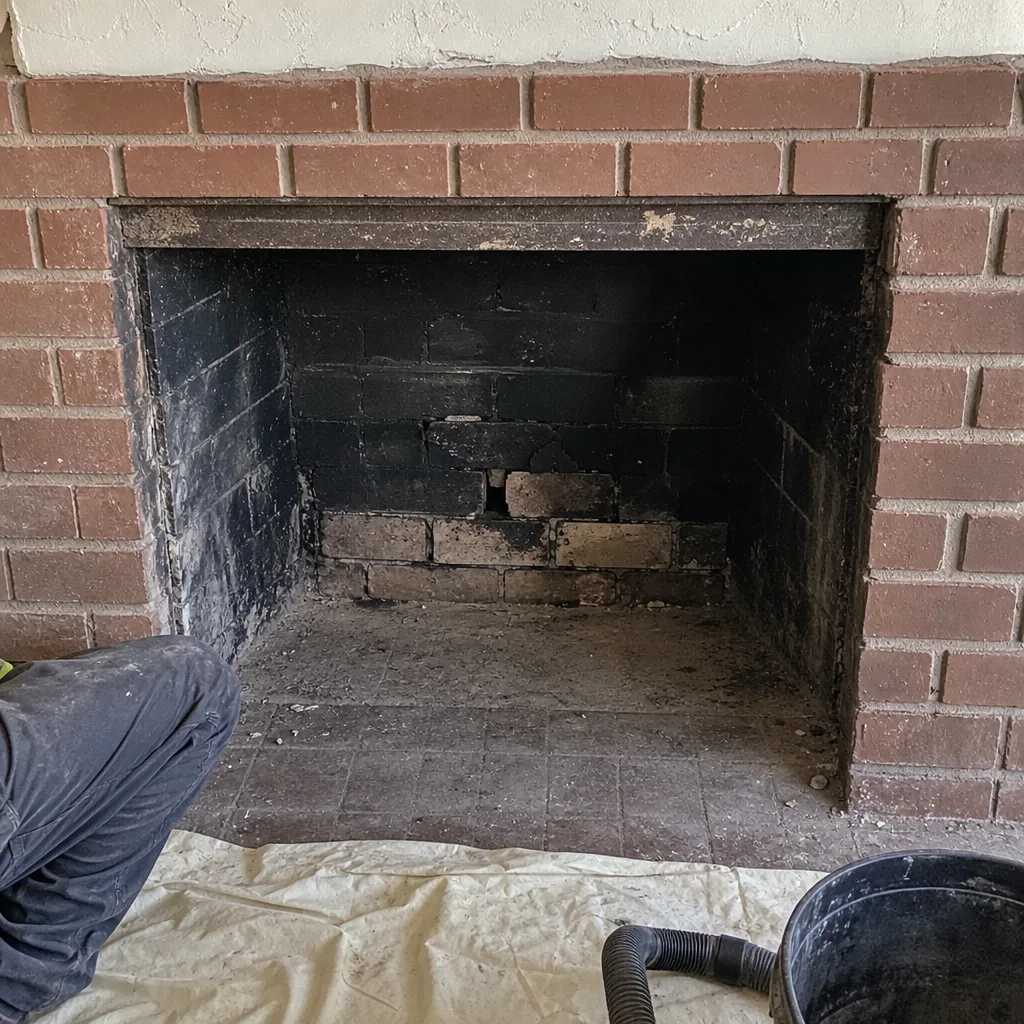 Before
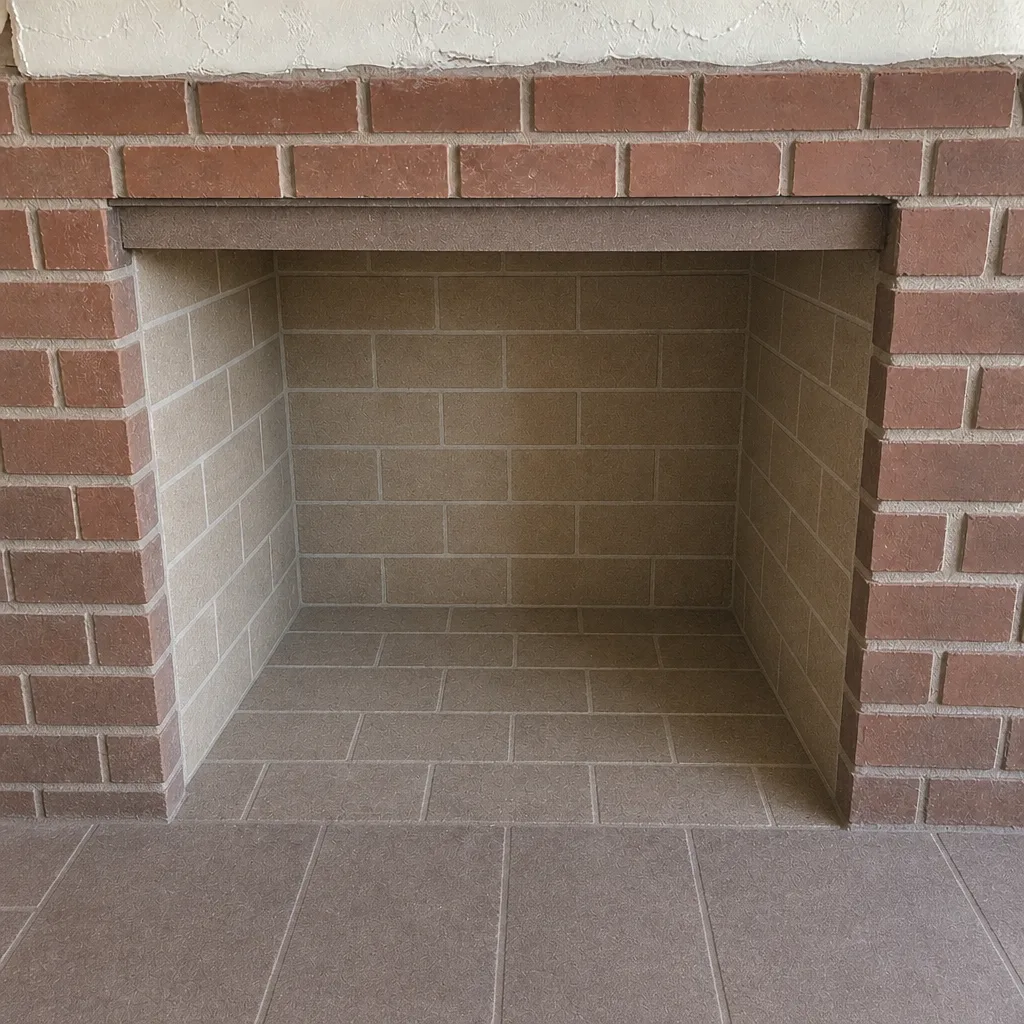 After
When to Call a Professional
Call a professional when any of the following describes your situation: you’re seeing or smelling creosote beyond light soot; the chimney hasn’t been inspected in recent seasons; there’s a gas insert or solid-fuel appliance involved; you’ve had a chimney fire or suspect one; you see water staining, a cracked crown, or separated flashing; you hear animals; or the roof is steep enough that you’re not confident working on it. Those aren’t edge cases, they’re the common conditions that make a scheduled visit worth booking. Cape Coral Chimney Sweep offers free estimates in Cape Coral – call (888) 247-9034. We answer 24/7, with fast dispatch from 7am to 7pm, Sunday through Friday.
Frequently Asked Questions
A cleaning and inspection visit is typically a modest, flat-priced job compared to repair work, and the final price is set by the written estimate before anyone arrives. Quote ranges vary with flue height, access, and condition, which is why the on-site look matters more than a phone number. Call (888) 247-9034 for an exact quote – estimates are free.
You can safely handle light ash and soot removal if you can access the chimney without climbing a steep or wet roof, and if the flue is straight and lightly used. The job stops being safe when the roof is steep, when you’re not sure what the deposit is, or when the chimney hasn’t been camera-inspected. In those cases, the safe answer is to book a sweep.
Yes, because the camera is what catches the three things a flashlight misses: liner fractures, hidden animal nesting, and flashing separation. Without it, you’re cleaning a flue you can’t actually see. Every sweep we perform includes camera inspection and a photo report, so you have evidence in hand rather than a verbal summary.
Inspect before you light, every season, and sweep based on what the inspection finds. With Cape Coral’s mild winters, many homeowners burn less often, so years can pass between fires. That means deposits, debris, and animal activity have more time to accumulate between uses. An annual check keeps you ahead of all three.
Deposits keep building, creosote can progress toward the glazed stage, and small liner or flashing problems get time to grow into bigger repairs. The worst-case outcomes are a chimney fire and carbon monoxide risks from a blocked or compromised flue. Skipping a scheduled inspection is how those conditions go unaddressed. Call (888) 247-9034 to book a visit – estimates are free.
Yes, between professional inspections and for light surface maintenance on a lightly used fireplace. Think of DIY as the maintenance layer, not the diagnostic layer. It keeps a healthy chimney healthy. It can’t tell you whether the chimney is healthy, and that’s the distinction this whole decision comes down to.
It does, and it’s the reason many Cape Coral DIY attempts end with a call anyway. Steep pitch, wet roofing, and awkward access are fall risks that a trained technician is equipped to manage and a homeowner usually isn’t. If your chimney sits near a valley or ridge, book the sweep.
Brands with manufacturer backing and a track record in the trade. We source from recognized industry brands including Olympia Chimney, Famco, DuraFlex, and Copperfield, and use HeatShield for flue restoration where it fits. The materials should be matched to your flue and its condition, not pulled as an off-brand substitute.
The Bottom Line
DIY chimney cleaning handles the surface layer well: ash, light soot, a damper check, a visual firebox look. It cannot see liner fractures, hidden animal nesting, or flashing separation, and it can’t grade creosote from a brush pass. The trained eye is the difference between a chimney that looks clean and one that’s actually safe. For a lightly used fireplace in Cape Coral, DIY maintenance between professional inspections is sensible. For anything that needs a trained eye and a camera, book the sweep. Nothing gets recommended without evidence you can see for yourself in the photo report, and we’ll tell you plainly when work can wait. Small problems caught by inspection stay small; the ones left to grow become relines and repairs. Call (888) 247-9034 for a free estimate. We answer 24/7, with fast dispatch from 7am to 7pm, Sunday through Friday.
Written by the team at Cape Coral Chimney Sweep.