
Last updated November 15, 2026
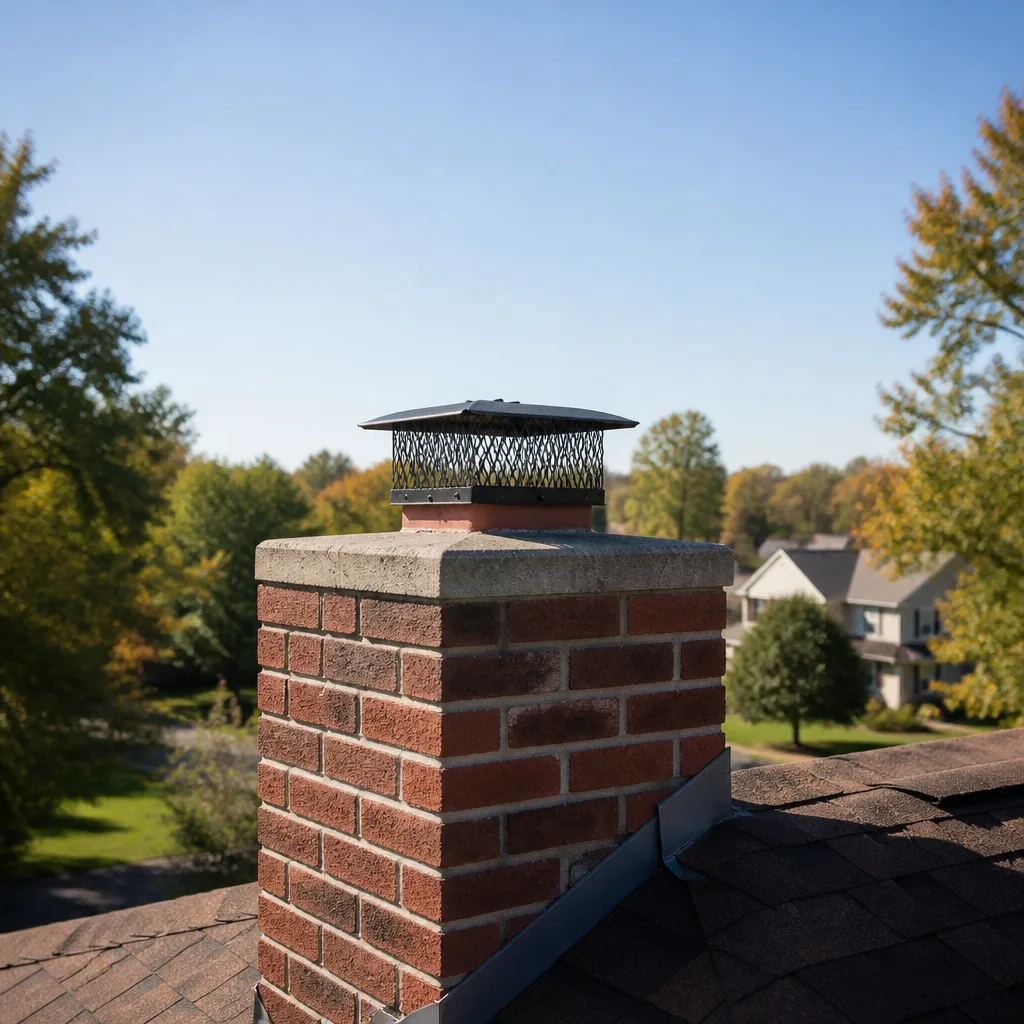 Sweep & inspection
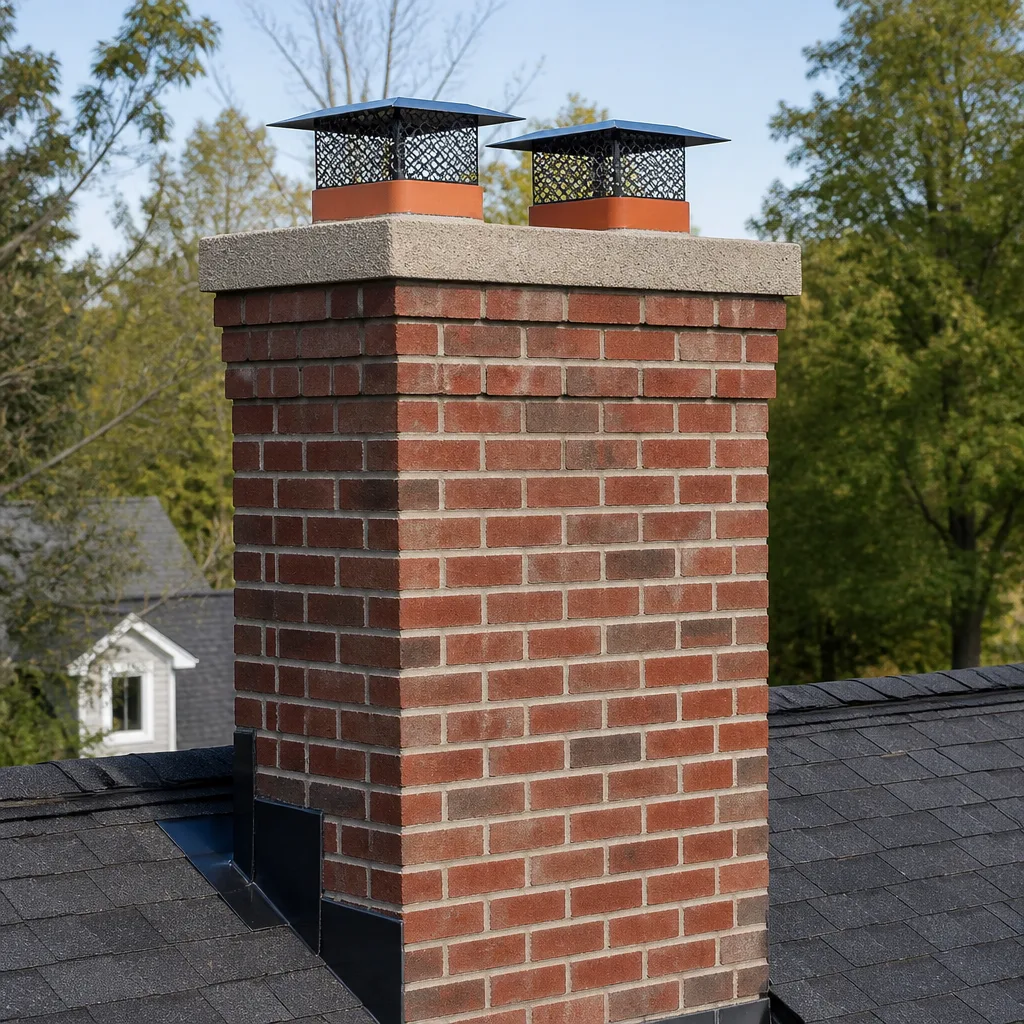 Caps & crowns
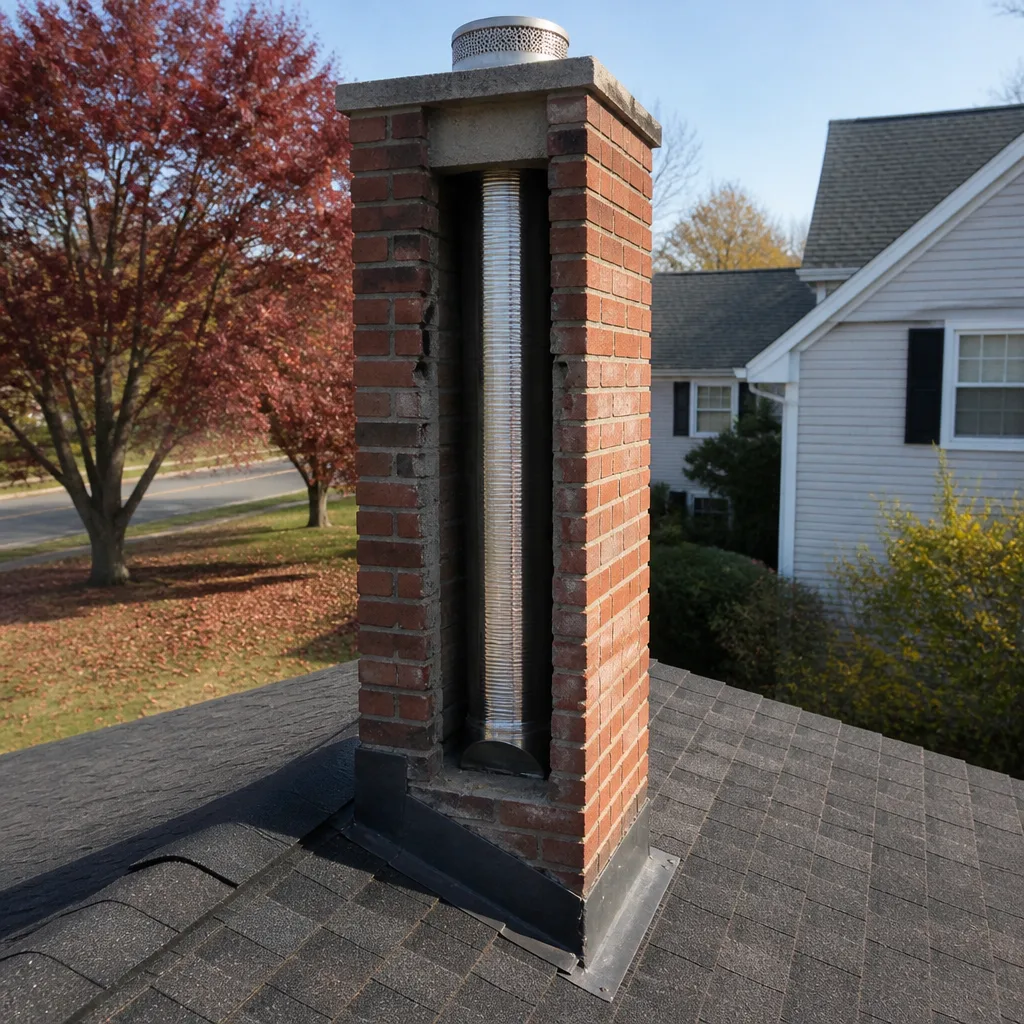 Flue relining
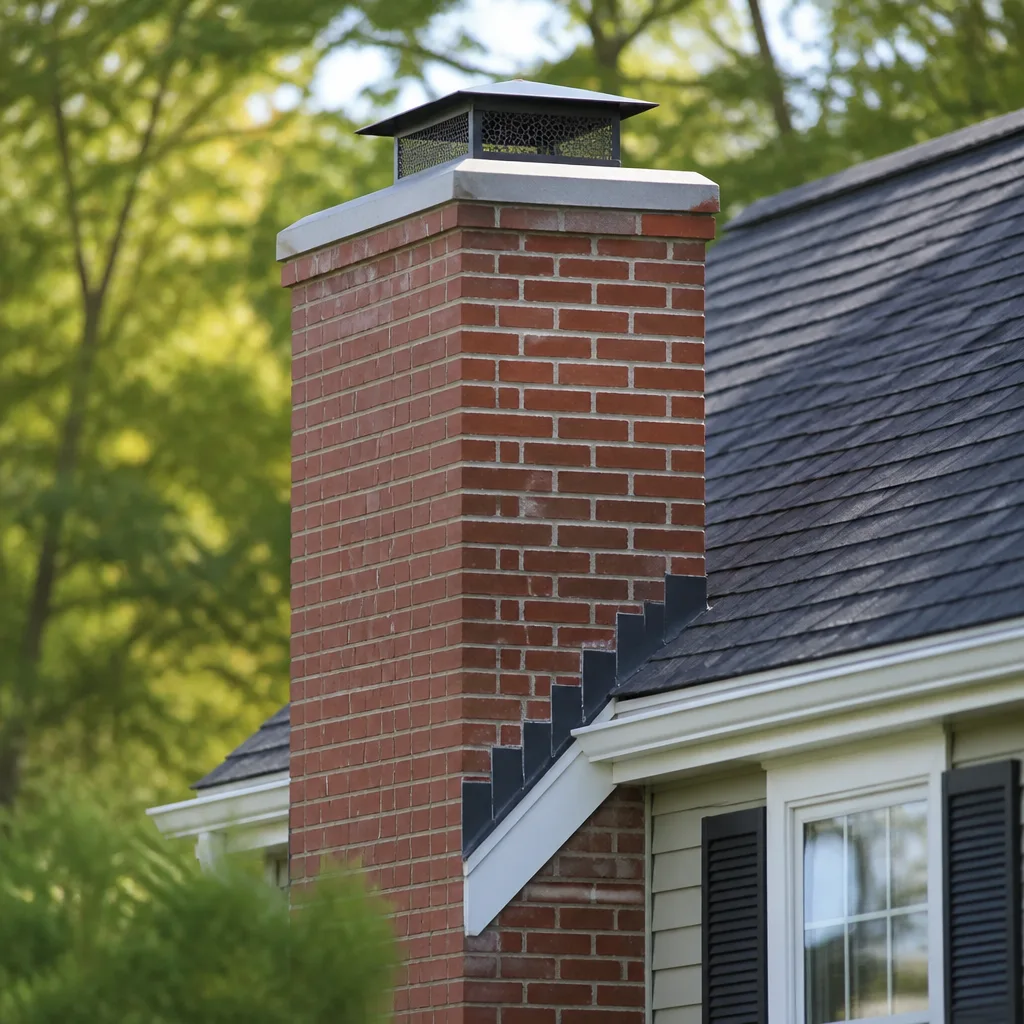 Masonry repair
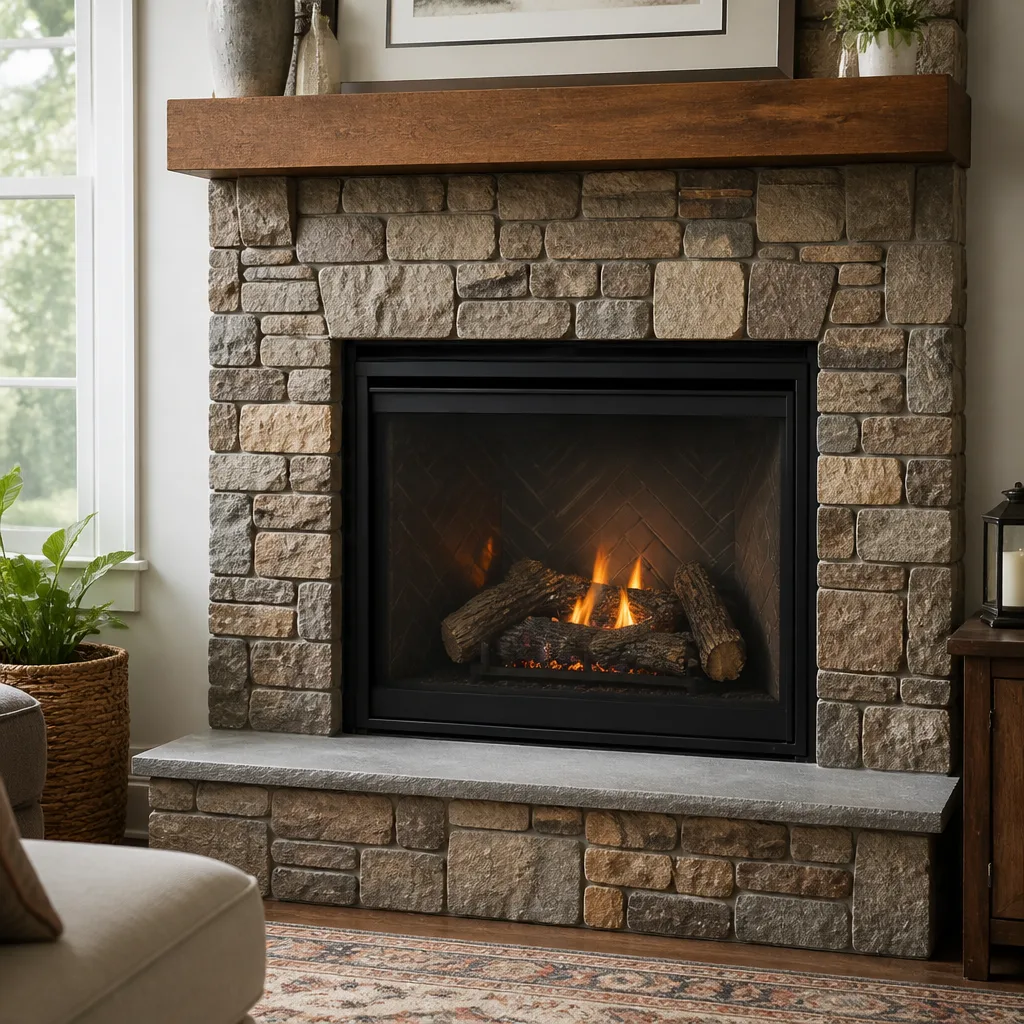 Gas fireplace service
Level 1 sweep and inspection to the NFPA 211 annual standard - flue, crown, cap, and flashing checked and photographed
Chimney sweep logs do not sweep chimneys. They loosen some creosote - which then falls where a brush and vacuum still have to collect it.
Seasonal Chimney Cleaning Care for Cape Coral: Year-Round Homeowner’s Guide
Most chimney advice you’ll find online was written for places with hard winters, where the yearly rhythm is simple: burn through the cold months, sweep in spring, forget about it until fall. Cape Coral doesn’t work that way. Here, the chimney’s hardest season isn’t winter at all. It’s the rainy stretch from late spring through early fall, when a flue sits idle for months soaking up humidity while wildlife looks for a dry place to nest. Then the dry season arrives in November, the first cool evening comes, and people light fires in a chimney that hasn’t been looked at since spring. This guide walks you through what actually matters in Cape Coral month by month: what to check before the first fire, how to protect the crown and cap before storm season, what sustained humidity does to mortar and steel, when animals move in, and which post-storm damage patterns mean you need a professional look before you burn again.
Quick Answer
In Cape Coral, chimney care runs on three seasonal priorities rather than one cold-weather rush: a cleaning and inspection in October before the first fire of the dry season, storm protection and post-storm checks during hurricane season from June through October, and moisture management through the humid rainy months when no fires are lit. A chimney should be swept and inspected once a year, and in Cape Coral that yearly service is best timed for early fall so the flue is clean and sound before burning season starts.
Styles & brands we work with
- Sweep & inspection
- Caps & crowns
- Flue relining
- Masonry repair
- Gas fireplace service
Table of Contents
- Why Cape Coral Chimney Care Doesn’t Follow the Cold-Climate Calendar
- The October Checklist: Before the First Fire
- Hurricane Season Prep: Crowns, Caps, and Flashings
- Rainy Season Moisture Intrusion: What Humidity Does to Your Chimney
- Wildlife and Pest Entry Windows Through the Year
- Post-Storm Inspection Triggers
- What Chimney Service Costs in Cape Coral
- Building a Year-Round Cape Coral Chimney Calendar
Why Cape Coral Chimney Care Doesn’t Follow the Cold-Climate Calendar
In a cold-climate city, the chimney works hardest in winter and rests in summer. Cape Coral inverts that. The fireplace does its real work during the dry season, roughly November through April, when evenings cool off enough to want a fire. The other six months, the chimney mostly sits there while the weather does its work on the outside of the structure. That means the maintenance year splits into two different jobs: preparing the flue for burning season, and protecting the chimney shell through the wet season.
It also means a lot of Cape Coral homeowners get caught out. They think of chimney care as a winter task because that’s what they read, so they call in January, mid-season, when a flue that should have been cleaned in October has already seen weeks of use. Or they skip the wet-season checks entirely because no fires are burning, and never notice a cracked crown or a loosened cap until water has been getting in for months.
Our technicians have up to 9 years of experience, and much of what we look for in Cape Coral is tied to this climate rather than to cold. We work on chimneys exclusively, so the seasonal patterns here are the whole job, not a sideline between roofing and HVAC calls. A few things that shape the local calendar:
- Dry season (roughly November through April): peak fireplace use, low rainfall, the best window to burn and the easiest window to schedule service.
- Rainy season (roughly late spring through early fall): sustained humidity, frequent downpours, and hurricane season running June through October. Idle flue, active weather.
- Two inspection moments: one before the first fire in fall, one after any major storm during the wet months.
The short version: in Cape Coral, the chimney needs attention in the season people assume it’s dormant. That’s the misconception this guide is built to correct.
The October Checklist: Before the First Fire
October is the single most important month on the Cape Coral chimney calendar. It sits at the end of the rainy season and just before the first cool evenings of the dry season, which puts it in the perfect position to catch everything the wet months left behind. By the time you want to light that first fire, the flue should already be clean, dry, and confirmed sound.
Here’s the sequence we recommend working through before the first burn of the season:
- Schedule a sweep and inspection. A yearly cleaning removes soot, creosote, and any debris that dropped in over the summer. The inspection that comes with it confirms the flue, damper, and firebox are ready for use.
- Check for animal activity. Raccoons, squirrels, and birds often move into an unused flue during the wet months. A sweep catches nests and nesting material that need to come out before you burn.
- Look at the damper. It should open and close freely. A damper that sticks or won’t seal is a sign of rust or debris, both common after a humid summer.
- Confirm the cap is in place and intact. A missing or damaged cap is an open door for rain and animals.
- Test the draft before you load up the firebox. Light a small piece of paper and watch the smoke. It should rise and leave cleanly. Smoke that rolls back into the room means a draft problem worth investigating before a real fire.
- Check your smoke and carbon monoxide detectors. Replace batteries, and confirm the detectors work. This is the one non-chimney item on the list, and it’s worth the five minutes.
If you want the flue sorted before burning season, a professional chimney sweep in early fall is the right move. Getting on the calendar in October means a clean, inspected chimney for the whole dry season instead of a mid-winter scramble.
Hurricane Season Prep: Crowns, Caps, and Flashings
Hurricane season in Cape Coral runs June through October, and the chimney’s exterior takes the brunt of it. High wind and driving rain attack the parts of the chimney that live above the roofline: the crown, the cap, and the flashing where the chimney meets the roof. These components are what keep water out of the flue and structure, so a storm that damages any of them can cause problems long after the wind dies down.
Before storm season, the prep is mostly a close visual check of those three components:
- The crown: the concrete or masonry cap on top of the chimney. Hairline cracks are common and should be sealed before they widen. A crumbling crown lets water straight into the masonry.
- The cap: the metal or mesh cover over the flue opening. It should be firmly attached, with intact mesh and no loose fasteners. The brands professionals use for caps hold up to wind far better than thin off-brand covers.
- The flashing: the seal where the chimney passes through the roof. Lifted or separated flashing is a known leak point in any wind event, and a gap there sends water into the roof deck, not just the chimney.
After storm season, or after any named system passes through, the check is about looking for what the wind left behind. Loose caps, displaced crown material, and lifted flashing are the three most common post-storm issues on Cape Coral roofs. If you can see any of them from the ground with binoculars, that’s your cue to call for an assessment. Don’t climb up to investigate yourself; roof-level work on a chimney is exactly the kind of job where a trained professional should be the one up there.
Rainy Season Moisture Intrusion: What Humidity Does to Your Chimney
This is the part most chimney guides skip, and in Cape Coral it’s often the bigger problem. Through the rainy season, the chimney can sit for months with zero fires while the air around it stays heavy with humidity and the sky delivers regular rain. Water doesn’t need a hurricane to do damage. It only needs a path in and time to work.
Three parts of the chimney are most exposed to sustained moisture:
- Mortar joints. Masonry is porous. When mortar stays damp, it weakens over time, and hairline cracks open wider. In Cape Coral, the rainy stretch gives water weeks and months to work on those joints rather than a single storm’s worth.
- The damper. A steel damper left in a humid flue rusts. Rust makes it stick, and a damper that won’t close tight lets conditioned air escape up the flue and moisture settle on the firebox.
- Steel components and liners. Liners are built to handle heat and moisture, but only if they’re intact. A liner with a gap or a crack at a seam lets moisture reach the masonry behind it, where it does the most damage.
The good news is that a sound chimney handles humidity the way it’s supposed to. The problems start when the crown is cracked, the cap is missing, or the liner has failed, because those breaks let water in faster than the chimney can dry out. A professional inspection during the wet season will look specifically at those entry points. When a liner needs work, a restoration system like HeatShield can repair and extend the life of an existing flue without full demolition, which is often the right answer for a chimney that’s structurally sound but showing wear at the joints. Where the flue is older or has offsets that a rigid liner can’t navigate, a flexible system like DuraFlex lets the liner follow the flue’s actual shape instead of forcing a straight run.
If you’ve noticed a musty smell near the fireplace, damp staining on the chimney’s exterior, or a damper that’s gotten stiff, those are the signals to get the chimney looked at even though no fires are burning. Moisture damage caught early is a repair; caught late, it’s a rebuild. A professional can tell you which one you’re looking at.
Wildlife and Pest Entry Windows Through the Year
An unused chimney is prime real estate for animals, and Cape Coral’s warm climate means the local wildlife has a long active season. The entry windows run roughly like this:
- Spring into summer: birds, squirrels, and raccoons look for nesting sites. An open or damaged flue is exactly the kind of sheltered, elevated space they favor. Chimney swifts in particular are known for nesting in uncapped flues.
- Through the wet months: a dry flue makes an appealing shelter from frequent rain. Squirrels and raccoons are the usual visitors.
- Fall: animals seek out warm, protected spots ahead of the cooler dry-season nights, and any nest built over the spring and summer may still be sitting in the flue.
The single most effective defense is a properly fitted cap with intact mesh over the flue opening. A cap does two jobs: it keeps rain out and it keeps animals out. It’s cheap insurance relative to the cost of removing a nest or repairing a flue blocked by debris.
What you shouldn’t do is try to clear a nest or an animal out yourself. Beyond the obvious risk of a startled animal, a blocked flue is a genuine hazard when you light a fire, because the smoke and carbon monoxide have nowhere to go. This is exactly the situation where you want a professional on the job. If you hear scratching or chirping from the chimney, or you smell something animal-like near the firebox, call before you burn anything.
Post-Storm Inspection Triggers
After a storm passes through Cape Coral, some chimney damage is obvious from the ground and some isn’t. The safe rule: if the storm was strong enough to bring down branches or shift roof debris, it’s worth a professional look at the chimney before the next fire. Here are the specific patterns that call for an inspection:
- A missing or dislodged cap. If the cap is gone or sitting crooked, the flue is open to rain and animals. Don’t burn until it’s back in place.
- Visible cracking or crumbling on the crown. Wind and driven rain find cracks and widen them. A professional can confirm whether the crown needs sealing or replacement.
- Lifted or separated flashing. Any gap where the chimney meets the roof is a leak. Water entering there damages the roof structure, not just the chimney.
- Debris in the firebox or a blocked flue. Storms drop leaves and branches into uncapped flues. A blocked flue is a fire and carbon monoxide hazard.
- Water staining on the chimney’s interior or exterior. Fresh staining after a storm tells you water got in somewhere, and the inspection finds where.
- A damper that suddenly sticks or won’t close. Storm-driven moisture or debris can affect the damper mechanism.
If the storm caused visible damage to the roof around the chimney, don’t light a fire until a professional has confirmed the flue and firebox are clear and the chimney shell is sound. That’s a simple rule that prevents most post-storm problems from getting worse. When a repair is needed, the materials matter: industry-grade parts from brands like Gelco and Copperfield are built for the conditions here, while anonymous off-brand components tend to be the first thing to fail in the next storm.
What Chimney Service Costs in Cape Coral
A standard chimney sweep and inspection in Cape Coral typically runs in the low hundreds of dollars, with the exact figure set by the written estimate for your chimney. The single most useful way to think about the cost is that routine service is inexpensive relative to the repairs it prevents. The price of a cleaning and inspection is a fraction of what a liner replacement or crown rebuild costs when a small problem goes unattended through a wet season.
| Service | Typical Cape Coral range (estimate) |
|---|---|
| Chimney sweep (cleaning) with basic inspection | Low hundreds of dollars |
| Level 2 inspection (camera) when needed | Adds to the sweep cost |
| Crown sealing or minor repair | Mid hundreds |
| Cap replacement | Low to mid hundreds |
| Liner restoration (for example HeatShield) | Higher, quoted per flue |
| Full liner replacement (for example DuraFlex) | Higher, quoted per flue |
These are typical ranges to help you plan, not a quote. The written estimate you receive is the final word on price, and the estimate itself is free. We don’t work off a flat national price list, because two chimneys in the same Cape Coral neighborhood can need very different work. What we won’t do is hand you a number for a liner or a rebuild you don’t actually need. Nothing gets recommended without evidence you can see: camera findings, photos, and a clear explanation of what we found and why. If the chimney can safely wait, we’ll tell you that too.
When you’re comparing quotes, ask what materials the repair uses. A price that depends on generic parts won’t hold up the way a repair using DuraFlex, HeatShield, Gelco, or Olympia Chimney components will. Our chimney repair work is built around brands with manufacturer backing, which matters most in a climate where moisture and storms test every seam.
Building a Year-Round Cape Coral Chimney Calendar
The easiest way to stay ahead of chimney care in Cape Coral is to put a simple annual schedule on the calendar. The season drives the task, and once it’s a habit the chimney rarely catches you by surprise.
- May (before storm season): visually check the crown, cap, and flashing. Fix cracks and confirm the cap is secure before the first storm threat.
- June through October (during hurricane season): after any storm strong enough to move roof debris, check the chimney for damage. Watch for water stains and a stiff damper through the humid months.
- October (end of rainy season, before the first fire): schedule the yearly sweep and inspection. This is the most important appointment on the calendar. Clear out any animal nests, confirm the flue is dry and sound, and get ready for burning season.
- November through April (dry season): burn as you like, but watch for draft problems, smoke rollback, or unusual smells. If anything changes, stop and call.
- Any time: call the moment you notice scratching in the chimney, a missing cap, or signs of water intrusion. Those are the items that get worse with time.
Notice that only one item is a scheduled service, and the rest are quick checks or calls triggered by something you notice. The one scheduled visit, in October, is the one that keeps the whole year from going sideways. It’s also the easiest to book early, before the fall rush.
Common Mistakes to Avoid
- Skipping the sweep because the chimney “didn’t get much use.” In Cape Coral, the flue can accumulate debris, animal nests, and moisture damage over the wet season without a single fire being lit. The yearly inspection isn’t just about creosote; it’s about everything the idle months leave behind.
- Treating chimney care as a winter task. January is mid-season here. By the time homeowners remember to call, the flue has already been in use for weeks. October is the month that counts.
- Ignoring the crown and cap until a storm reveals them. The cheapest repair on a Cape Coral chimney is the one you make to a hairline crown crack before the rainy season widens it. The same crack after a wet summer can mean real masonry repair.
- Letting an animal nest sit in the flue. A blocked flue is a fire and carbon monoxide risk, and it doesn’t clear itself. Get the nest removed by a professional and have a proper cap fitted so the next animal can’t move in.
- Burning before a post-storm check. A missing cap, a blocked flue, or a shifted crown after a storm is a reason to call, not a reason to test the draft and see what happens.
- Assuming any repair means a rebuild. It often doesn’t. A flue restoration system can repair and extend an existing liner without demolition, which keeps the cost and the disruption far lower than a full rebuild.
- Buying a repair on price alone. A quote built on off-brand parts may look better up front and fail sooner in this climate. The brand and the quality of the installation are what determine how long the repair actually lasts.
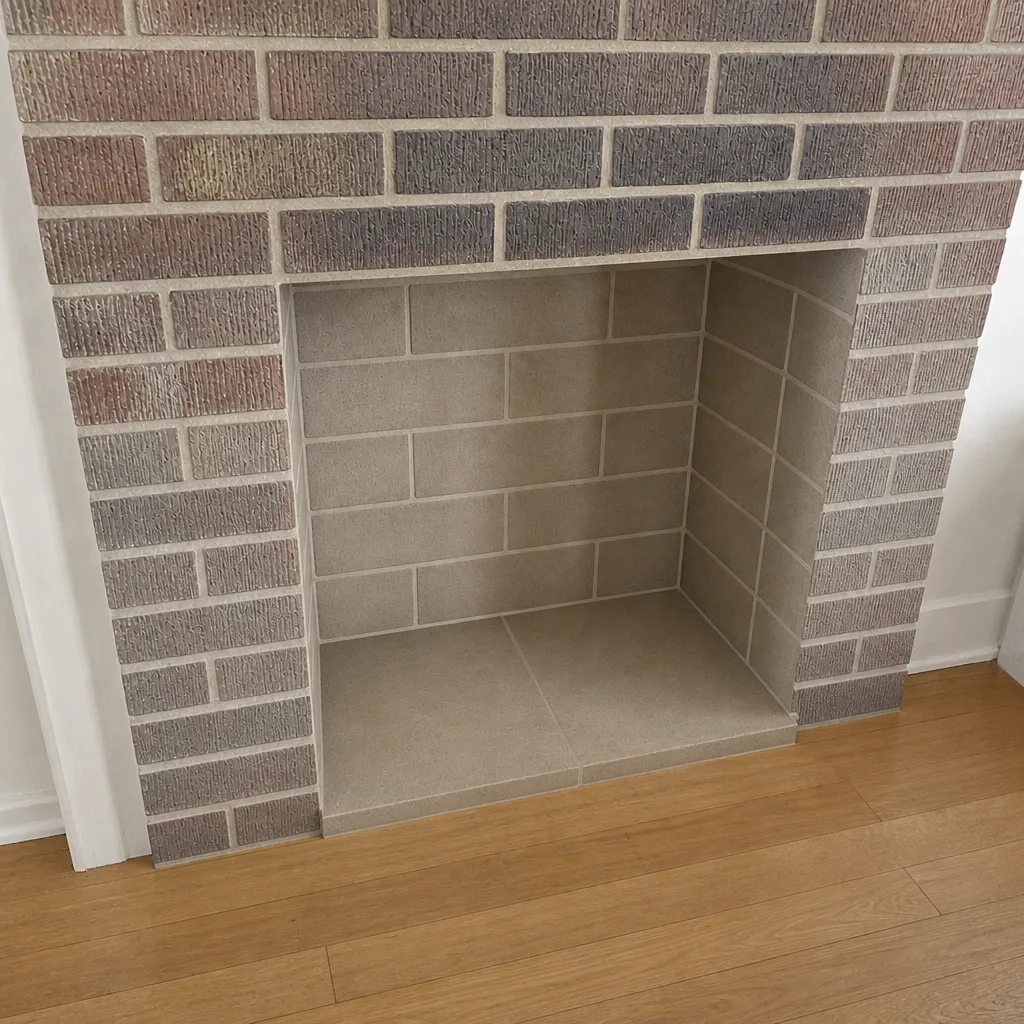
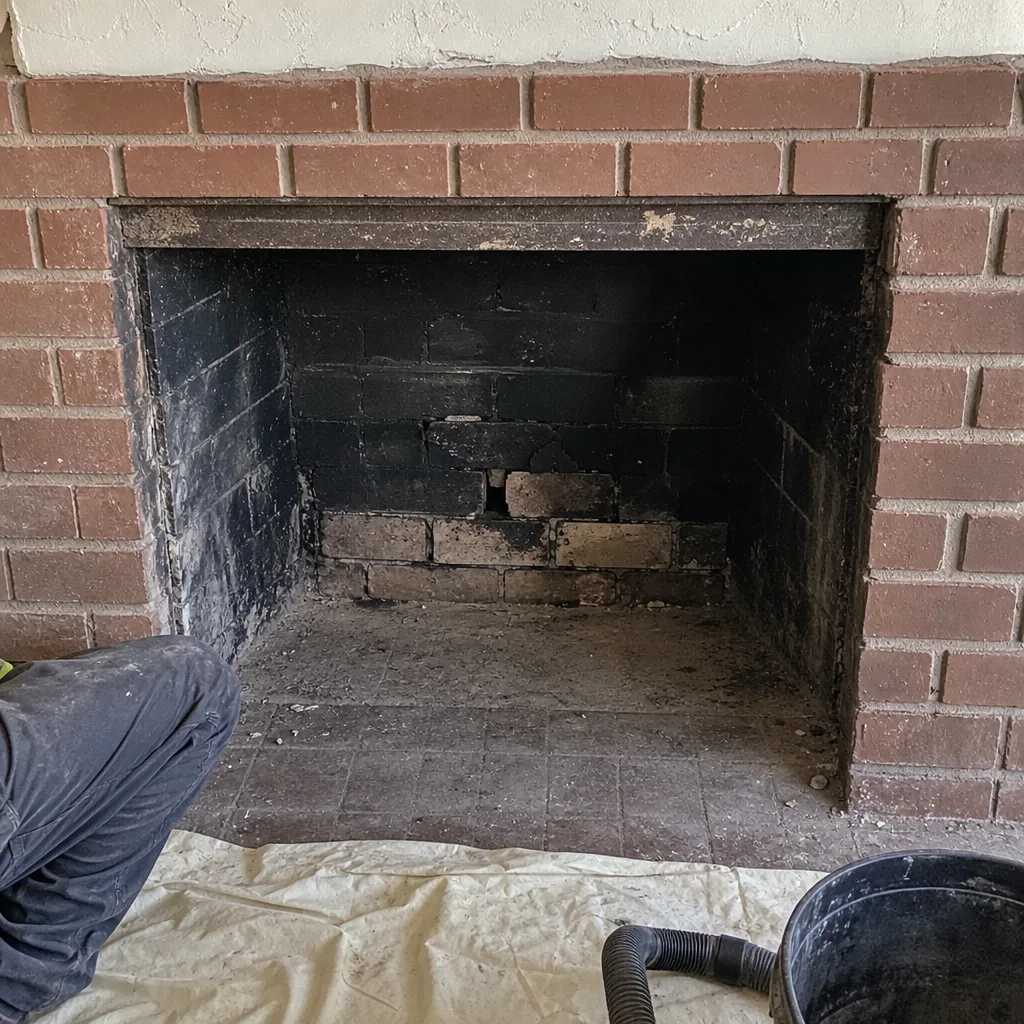
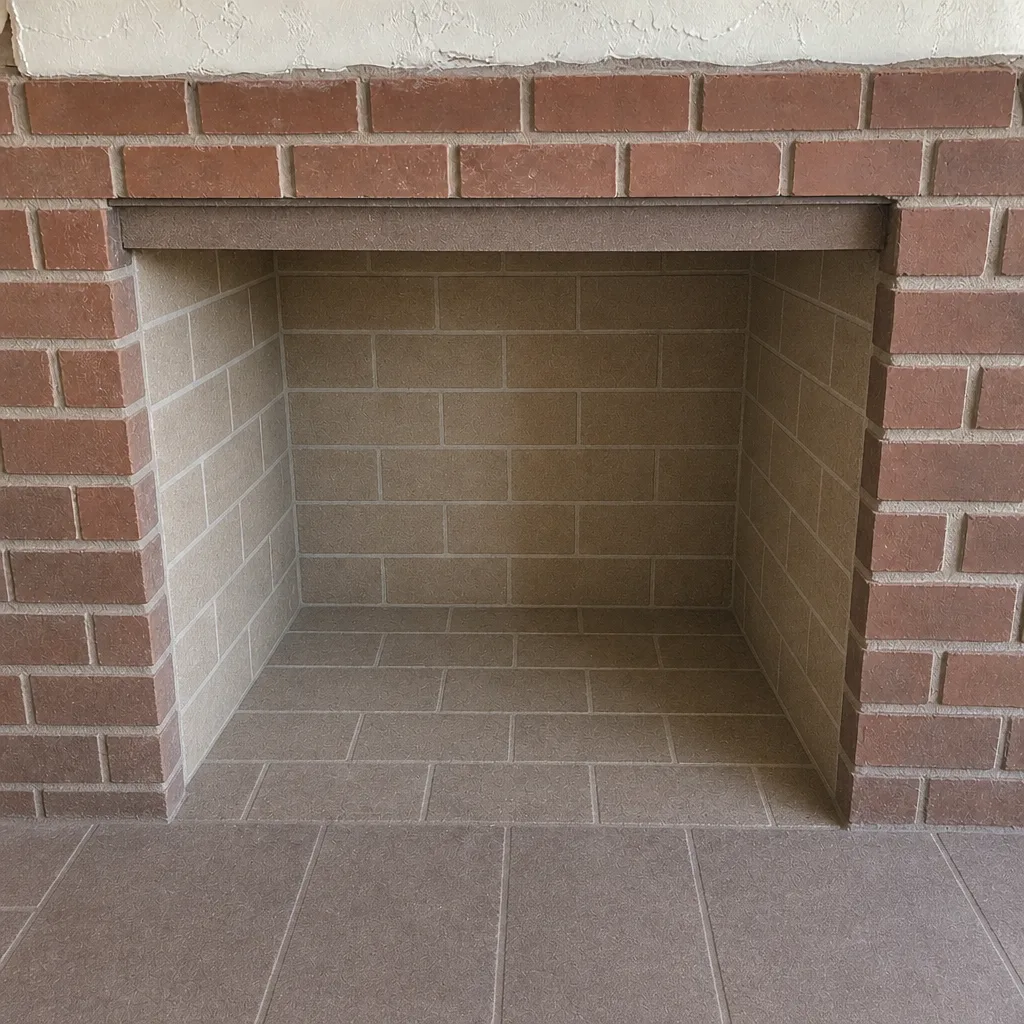
See the difference
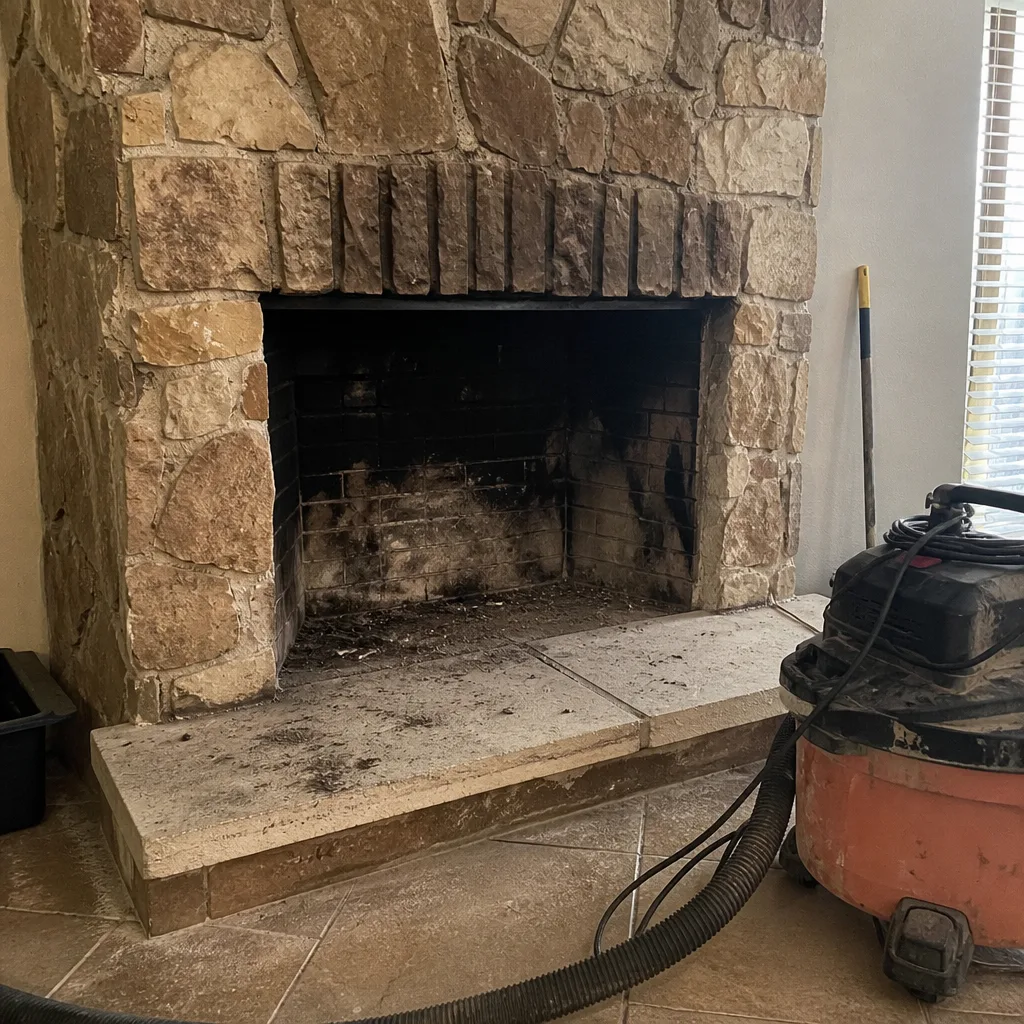 Before
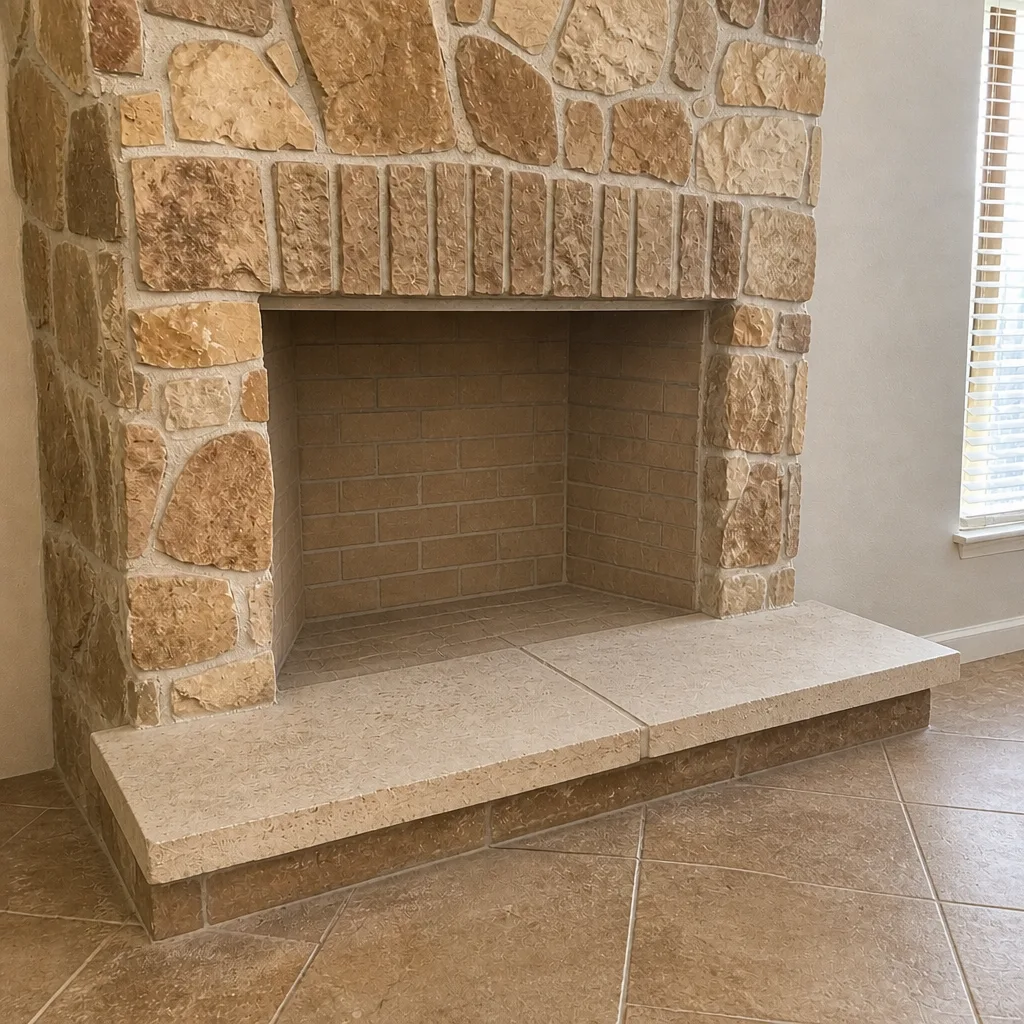 After
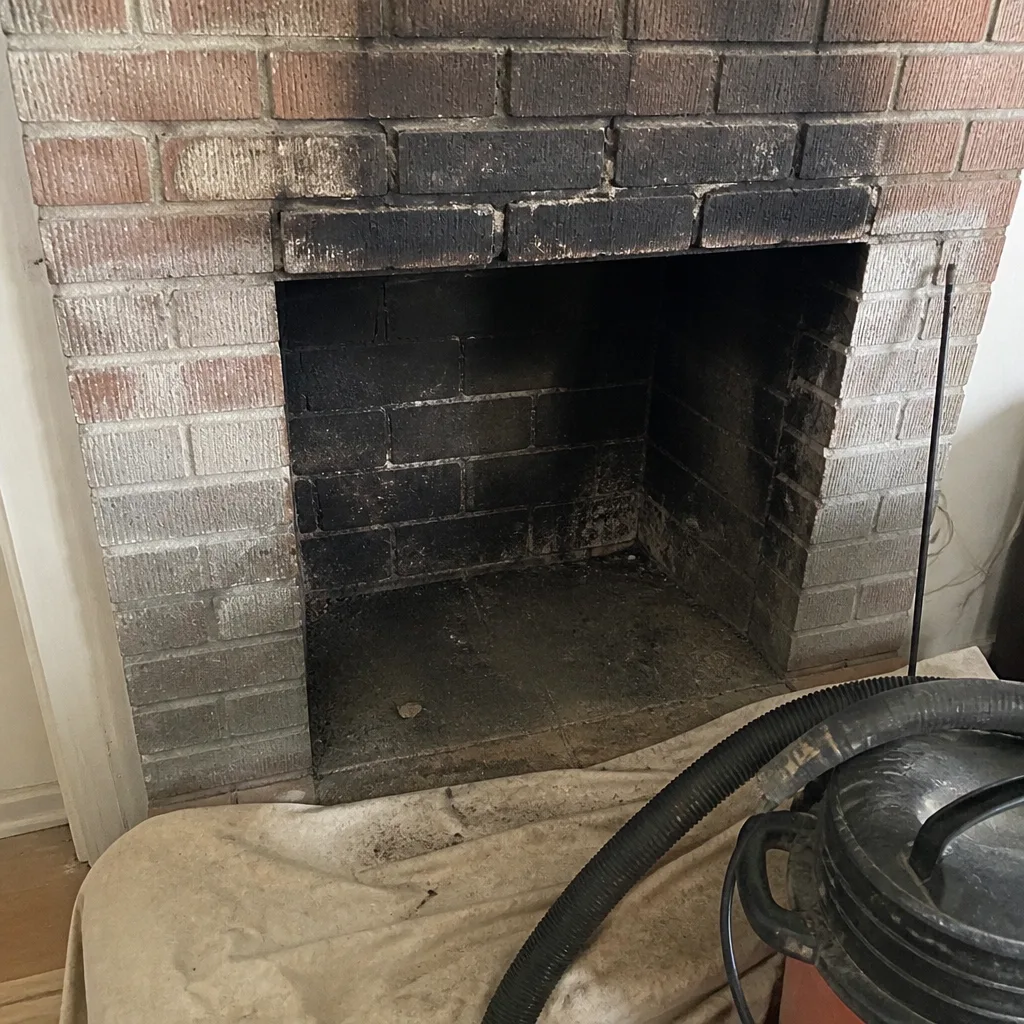 Before
 After
 Before
 After
When to Call a Professional
Call a professional when you hear or smell animals in the chimney, when the cap is missing or damaged, when you see cracking or crumbling on the crown, when the flashing around the chimney has lifted, or when water staining appears anywhere near the firebox. Call after any storm strong enough to move branches, and call before the first fire of the season if the chimney hasn’t been swept and inspected this year. As a service with a chimney-only focus, Cape Coral Chimney Sweep offers free estimates in Cape Coral, and the inspection gives you evidence, not a sales pitch. Our Cape Coral Chimney Sweep team covers inspection, cleaning, and repair, so the whole care cycle stays with one specialist. Call (888) 247-9034 to get on the calendar for the season. Written by the team at Cape Coral Chimney Sweep.
Frequently Asked Questions
Once a year is the standard for a wood-burning fireplace, and in Cape Coral the best time is early fall, before the dry-season burning begins. Waiting until mid-season means the flue has already been in use before anyone has looked at it. If a chimney sees heavy use or has a history of birds or animals getting in, a second look during the wet months is a reasonable precaution.
Yes, because the threats here aren’t mostly about fire. Through the rainy season, sustained humidity, storm wind, and wildlife do the damage to an idle chimney. A chimney that burns little can still develop a cracked crown, a rusted damper, or a nest in the flue. The yearly inspection catches those whether or not you’ve lit a fire.
A small, cheap problem has time to become an expensive one. A hairline crown crack widens through a wet season, a loose cap lets in rain and animals, and a rusted damper goes unnoticed until the first fire of the season. The yearly inspection is designed to catch these before they turn into repairs, and so the flue is confirmed sound before you burn. Call (888) 247-9034 for an exact quote; estimates are free.
A properly fitted cap with intact mesh over the flue opening is the answer. It blocks animals and keeps rain out at the same time, and it’s one of the simplest protections you can add to a chimney. If an animal is already inside, don’t try to clear it yourself; call a professional to remove the nest and fit the cap. Cape Coral Chimney Sweep serves the Cape Coral area and can sort out both in one visit.
After any storm strong enough to bring down branches or shift roof debris in your area. The specific triggers are a missing or tilted cap, new cracks or crumbling on the crown, lifted flashing around the chimney, visible debris in the firebox, or fresh water stains. Don’t burn until a professional has confirmed the flue is clear and the chimney shell is sound.
No. Many liner and flue problems can be repaired with a restoration system that extends the existing flue’s life without demolition, which is often the cost-effective option for a structurally sound chimney showing wear at the joints. A full rebuild is reserved for cases where the structure itself is compromised. The inspection and camera findings tell you which situation you’re in, and you’ll see the evidence before any work is recommended.
The Bottom Line
Cape Coral’s chimney year runs on its own logic, and once you know it, the maintenance is simple. The wet season from late spring through early fall is when the chimney takes the most damage from humidity, storms, and wildlife, even with no fires burning. Hurricane season puts the crown, cap, and flashing at risk. The October sweep and inspection, before the dry-season fires begin, is the one appointment that protects the whole year. Get that in place, add a post-storm check, and the chimney stays sound through every season. If you’d rather have an expert look at it, call (888) 247-9034 for a free estimate.
Written by the team at Cape Coral Chimney Sweep.