
Last updated November 15, 2026
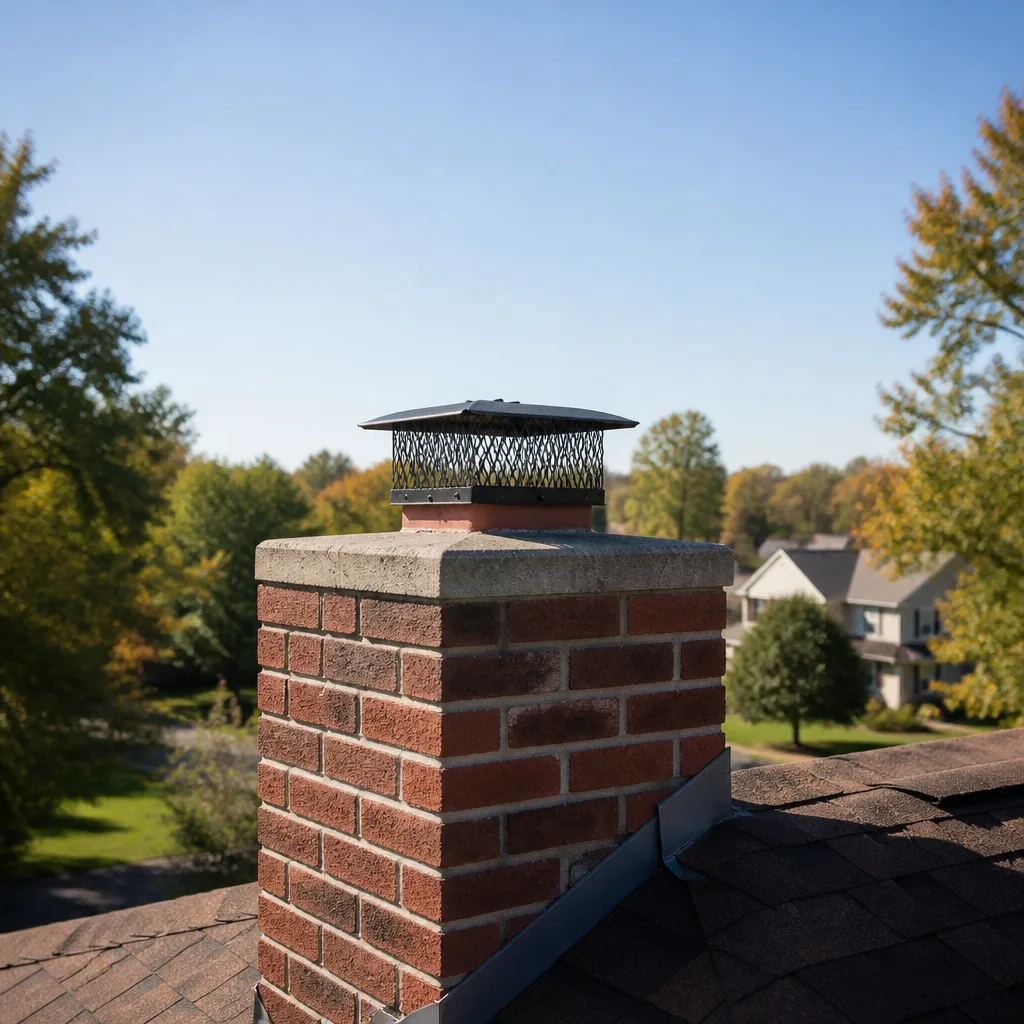 Sweep & inspection
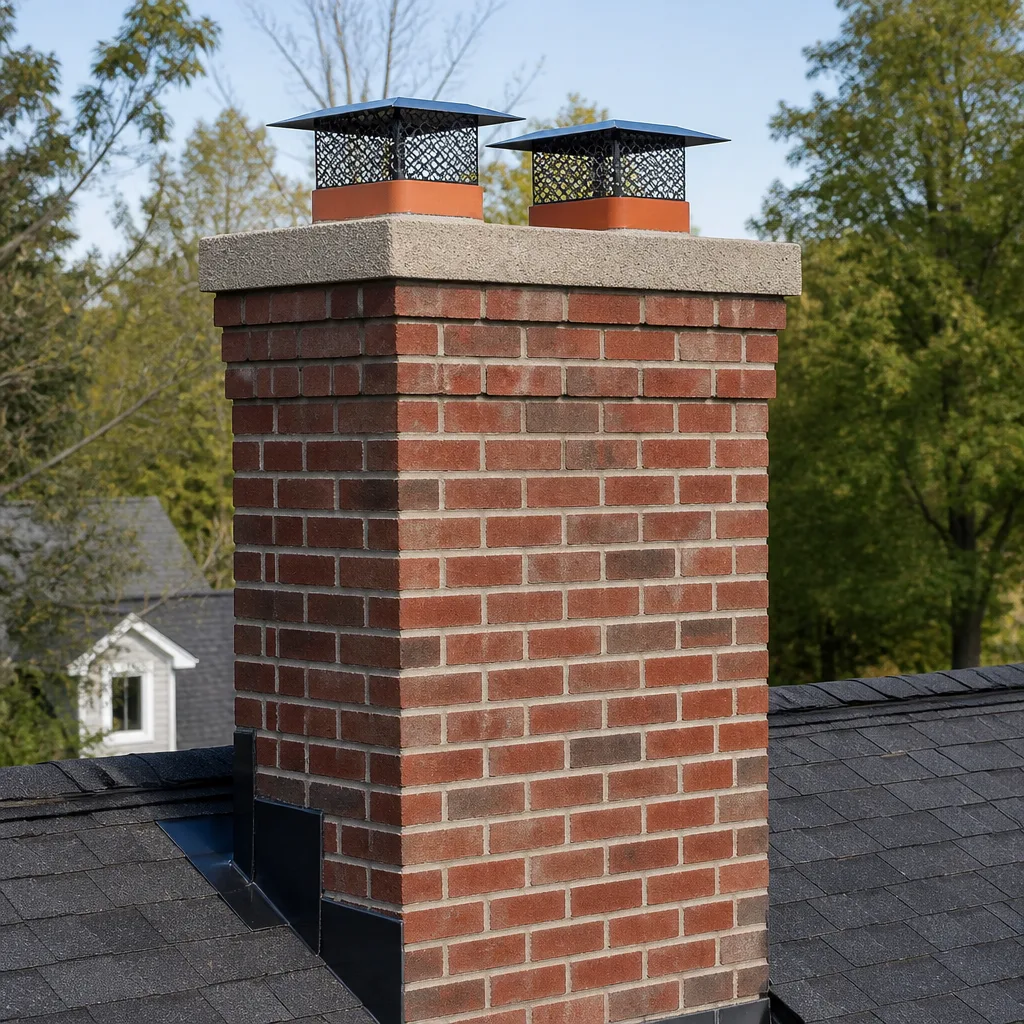 Caps & crowns
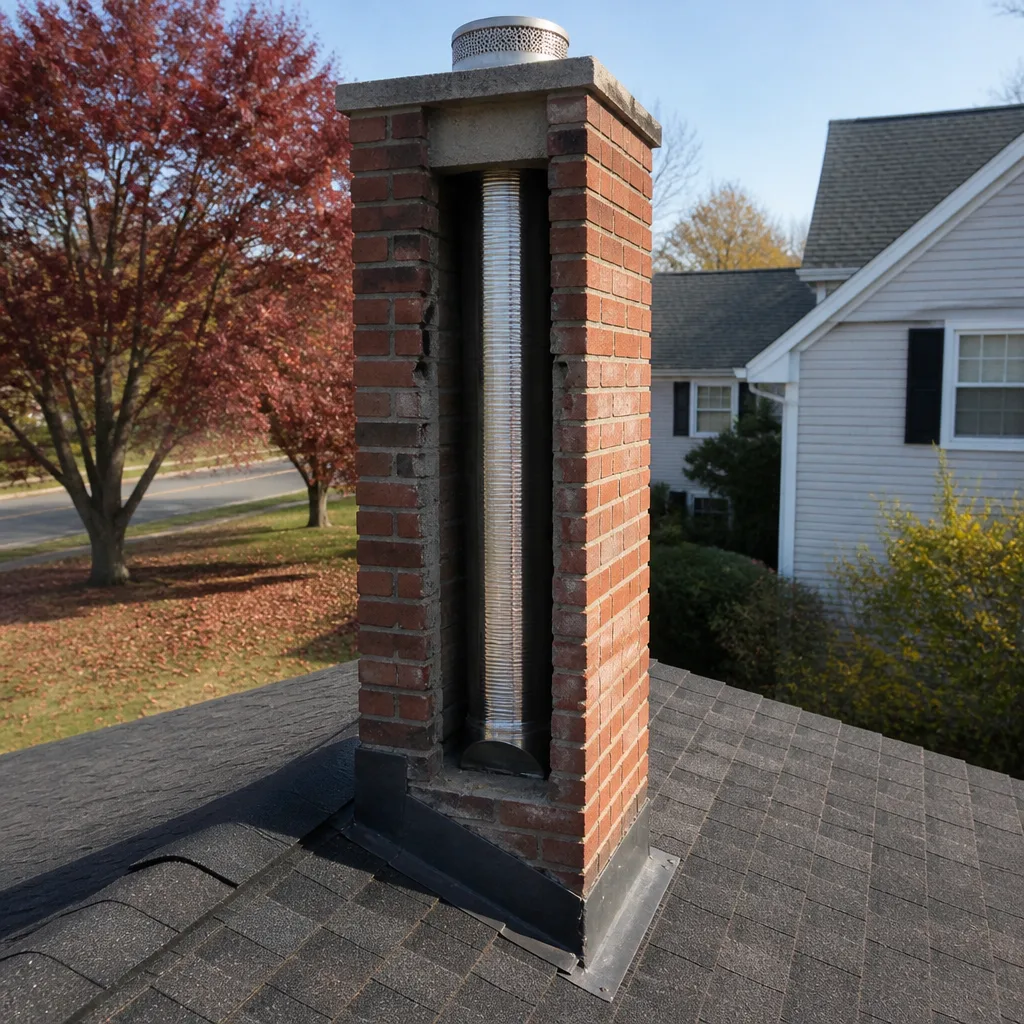 Flue relining
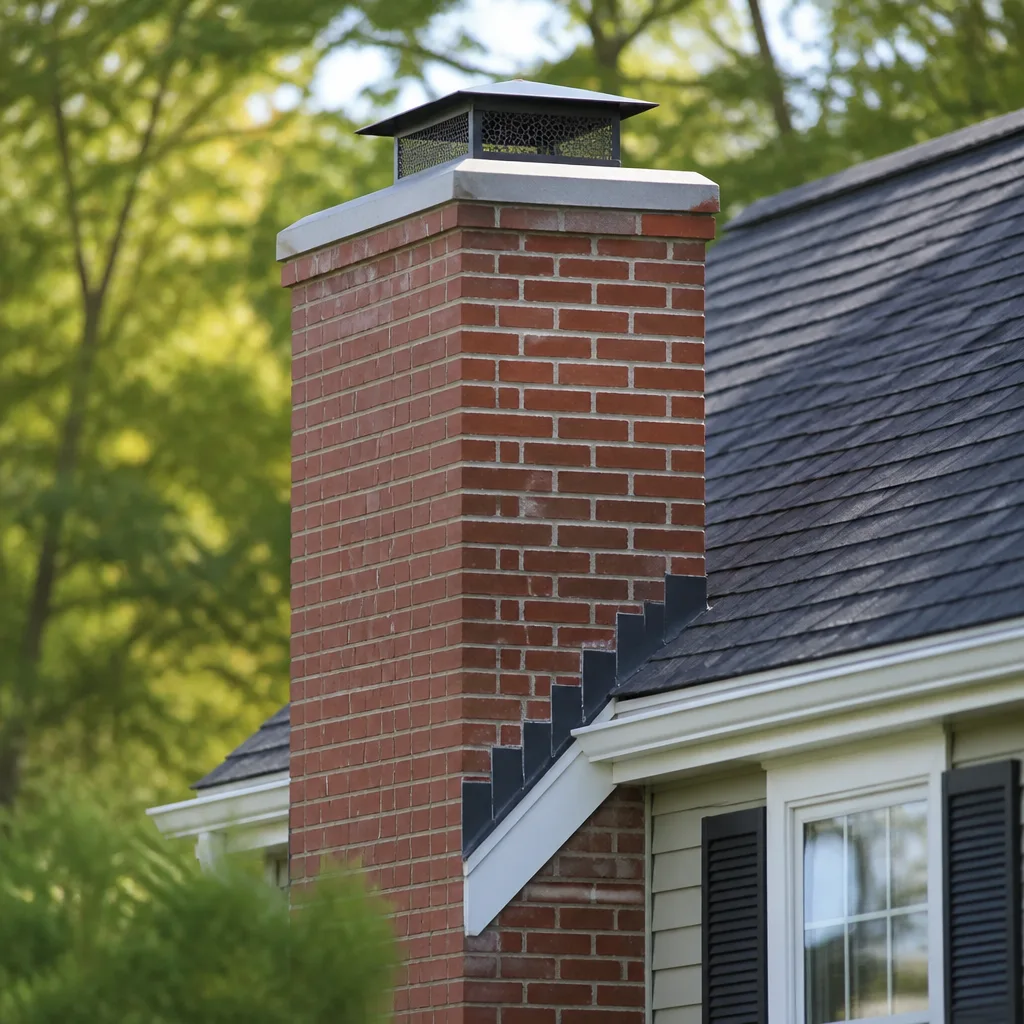 Masonry repair
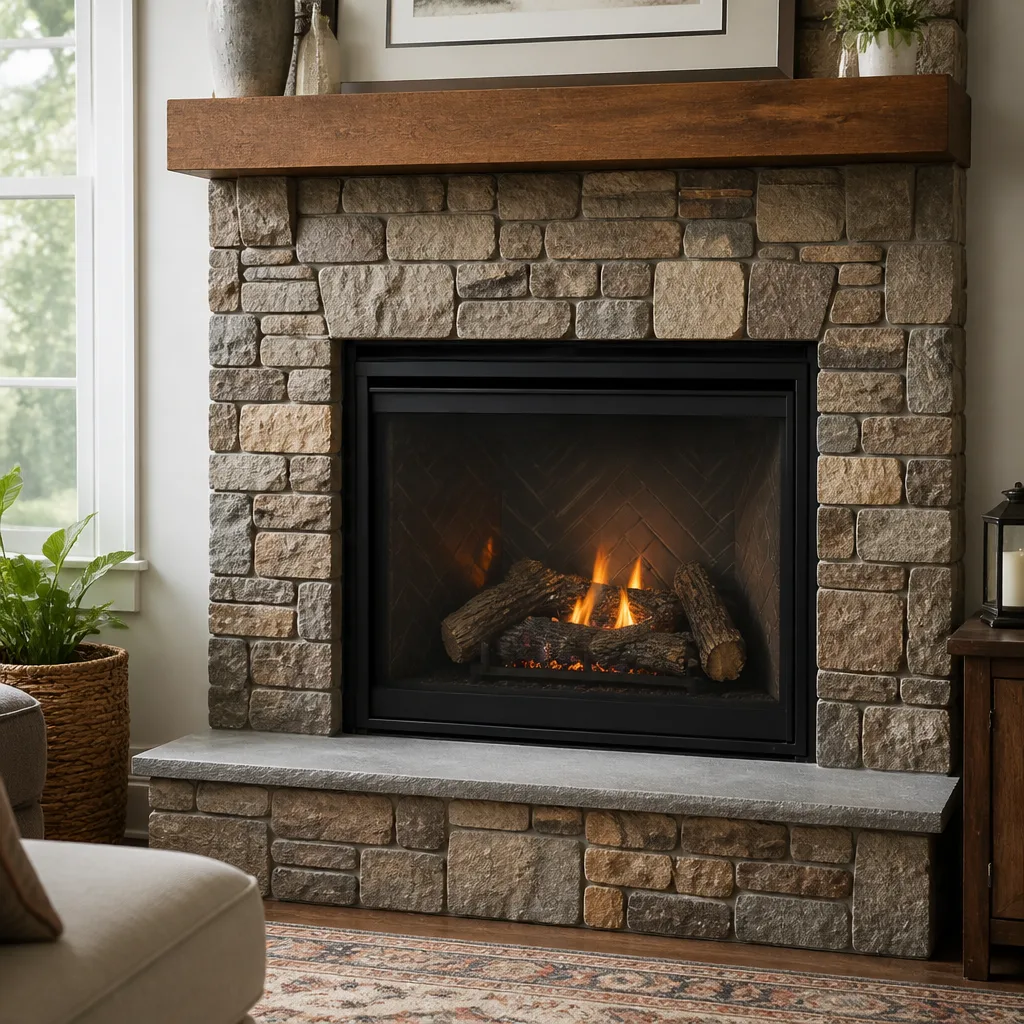 Gas fireplace service
Level 1 sweep and inspection to the NFPA 211 annual standard - flue, crown, cap, and flashing checked and photographed
Chimney sweep logs do not sweep chimneys. They loosen some creosote - which then falls where a brush and vacuum still have to collect it.
Chimney Cleaning Warning Signs: A Cape Coral Homeowner’s Reference Guide
Most Cape Coral homeowners assume a chimney only talks to them when there’s a fire in it. In our experience, the opposite is closer to the truth. The signs that a chimney needs attention usually show up when the fireplace is cold: a sulfur smell in July, a white stain creeping down the block, rust on a damper that hasn’t moved since spring. It’s easy to file these away as Florida quirks or something the roofer should look at. They usually aren’t. This guide walks through each warning sign, how to tell a cosmetic issue from a structural one, and when the smart move is a call rather than a wait.
Quick Answer
The chimney cleaning warning signs Cape Coral homeowners should treat as urgent are a smoky or sulfur smell when no fire is burning, white efflorescence staining on the chimney exterior, rust patterns inside the firebox, spalling brick or eroding mortar joints, and a draft that reverses in humid weather. Any one of these points to creosote buildup, water infiltration, a failing liner, or a draft problem that steady burning will make worse. Two or more together mean the chimney needs an inspection now, not next season.
Styles & brands we work with
- Sweep & inspection
- Caps & crowns
- Flue relining
- Masonry repair
- Gas fireplace service
Table of Contents
- Sign 1: Fireplace Odor When No Fire Is Burning
- Sign 2: White Staining on the Chimney Exterior
- Sign 3: Rust Inside the Firebox or on the Damper
- Sign 4: Spalling Brick and Crumbling Mortar
- Sign 5: Draft Problems in Florida’s Humid, Low-Pressure Weather
- Sign 6: Creosote Glaze You Can See
- Common Mistakes to Avoid
- When to Call a Professional
Sign 1: Fireplace Odor When No Fire Is Burning
A smoky, ashy smell from a fireplace in the middle of a Cape Coral summer, when no one has lit a fire in months, is a chimney warning sign. It’s not a seasonal quirk and it’s not the house “breathing.” It means the chimney is pulling air down instead of drafting it up, and whichever deposits are sitting on the flue walls are being pushed into the living space.
The character of the smell tells you a lot about what’s going on inside the chimney:
- Hot, ashy, campfire smell. Normal wood-smoke residue. A routine sweep usually clears it, and it tends to fade faster when the flue has been cleaned recently.
- Sharp, acrid, sulfur or oil smell. This points to active creosote deposits, often the glazed type, or to a cracked liner letting combustion byproducts seep through the flue wall. It’s the smell that hangs around for days after a single fire and gets stronger when the humidity climbs.
- Musty, damp, “old closet” smell. Water is getting in somewhere, typically at the crown or the cap. Wet creosote smells different from dry, and a musty odor is a strong hint that the chimney is taking on moisture.
In Cape Coral, the low-slung housing stock and warm, humid air in summer can quietly push pressure down the flue and out through the firebox. If the smell only shows up on still, muggy afternoons and disappears when the wind picks up, that’s a draft inversion. If it’s constant, the liner or the flue condition is the more likely cause. Either way, an inspection before the first fire of the season tells you which you’re dealing with.
Sign 2: White Staining on the Chimney Exterior
White, chalky staining on the outside of a Cape Coral chimney is efflorescence, and it’s a marker of active water infiltration rather than cosmetic discoloration. Water has gotten into the masonry, dissolved salts from the brick and mortar, and pushed those salts back out as the wall dries. The stain is the residue. The water is the problem.
What makes this trickier in Cape Coral is the humidity. In a dry climate, a chimney dries out fast and takes up only the water it’s directly exposed to. Here, warm humid air sits against masonry for months, so a chimney with a hairline crack in the crown or a gap at the flashing keeps pulling moisture in and pushing salts out in a cycle. It can look like a slow-growing pale patch for years before anything else shows.
How to read what you’re seeing:
- A faint, powdery film on the upper section after a wet stretch, with no flaking or displacement of masonry, is early-stage. Worth sealing and keeping an eye on.
- Thick, crusted, spreading patches that widen each season, especially around the crown or across multiple faces of the chimney, mean water is entering consistently and the brick is spalling internally. That’s structural territory.
- White staining paired with interior rust, musty odor, or stains on the ceiling near the chimney chase is the most serious combination. It usually means the crown, cap, or flashing has failed.
If the stain is on a chimney that hasn’t been inspected since the house changed hands, get it looked at. We’ve walked through plenty of Cape Coral homes where a homeowner had blamed the roofer for a ceiling stain that turned out to be chimney crown water, not shingles. Fixing the chimney first is what stops the recurrence.
Sign 3: Rust Inside the Firebox or on the Damper
Rust inside a firebox or on a damper in Cape Coral is a sign the assembly is taking on moisture, and the rust pattern tells you how deep the problem goes. Not all rust is equal, and it’s worth knowing the difference before you decide whether it can wait.
Work through it in this order:
- Light surface rust on the firebox faces, mostly near the top. Often the result of a cold, humid firebox that hasn’t seen a fire in a while. Wipe it dry, burn a couple of warm-up fires, and it may clear. Not urgent.
- Rust along the damper frame and blade, with the damper sticking when you move it. Moisture is entering from above, likely through the cap or crown. It needs an inspection because the damper will eventually stop working entirely.
- Orange-brown staining running down the flue throat or across the face of the firebox, plus flaking metal. This is where liner failure enters the picture. The flue is being exposed to water from above or to condensation from the inside, and the metal components are giving way.
- Rust on the smoke chamber shelf and on bolts that hold the damper assembly. Let a professional look. A damper assembly that’s compromised can drop, and it also means combustion gases aren’t being managed well.
In our experience in Cape Coral, rust that appears year after year in the same spot, even after a good sweep and dry-out, almost always traces back to a failed cap or flashing detail the homeowner hasn’t seen. Ask the inspector to trace the source, not just to clear the rust.
Sign 4: Spalling Brick and Crumbling Mortar
Spalling brick means the face of a brick has broken away, often leaving a rough, cratered surface. In Cape Coral this is frequently a chimney-specific issue rather than a wall-wide one, because the chimney takes weather from all four sides. The question homeowners face is whether the visible damage is cosmetic or structural, and the pattern is what separates the two.
Use these rules of thumb:
- Surface flaking on one or two bricks, with mortar joints still intact and level, is cosmetic or early-stage. Address the moisture cause and monitor.
- Mortar joints that have recessed noticeably, or crumble when rubbed with a finger, are moving into structural territory. Recessed joints allow more water behind the brick, which accelerates spalling.
- Bricks popped off the firebox or chimney crown, or brick faces missing on multiple courses, are structural. The chimney should not be used until it’s evaluated.
- Visible gaps or displacement at a horizontal joint, or any leaning of the chimney above the roofline, needs a professional look before another fire is lit.
Water is the driver in nearly every case here, and Cape Coral’s humid months mean small defects have more time to work. A chimney crown that’s starting to check, a missing cap screen, or a flashing detail that was never quite right all feed the problem. Once the bond in the mortar starts to give, a sweep can’t fix it: that’s repair work, often involving a proper crown rebuild or parging, with materials that hold up.
Sign 5: Draft Problems in Florida’s Humid, Low-Pressure Weather
Cape Coral homeowners sometimes describe a draft that reverses on humid, still days: smoke comes back into the room instead of going up, and the fireplace smells worse right before a storm. That’s a pattern tied to our weather, and it matters because it’s easy to confuse with a physical blockage that needs a very different fix.
How to tell the two apart:
- Weather-related draft problems come and go. The chimney works fine on cool, breezy days and misbehaves on warm, humid, low-pressure mornings. Nothing has changed about the firebox, and a smoke test from the top of the chimney shows clear flow when conditions are right.
- Physical blockages don’t change with the weather. The draft is weak all the time, smoke backs up consistently, or you notice a nesting or animal-noise issue from the top of the chimney. A camera inspection will show the obstruction directly.
Cape Coral’s low elevation and long warm season mean the house-to-outside pressure difference can flip on a mild morning, especially with bathroom and kitchen fans running. That flips the chimney from drafting up to pulling down, and the smell follows. On the other hand, if the draft issue started right after something happened (a new liner, a squirrel in the chase, a storm that took a cap off), treat it as physical until proven otherwise.
The lineup of components in a chimney that can affect draft includes the cap, the top plate, the smoke chamber shape, and the liner itself. On older Cape Coral homes, offset flues and original chimney construction often need a flexible liner system rather than a rigid one, which is why we work with manufacturers like DuraFlex where the layout calls for it. The right liner for your flue, installed correctly, does most of the draft work for you.
Sign 6: Creosote Glaze You Can See
Creosote glaze is a warning sign that a chimney needs cleaning before it’s used again, and it’s the one you can sometimes see with a flashlight. Look up the flue from the firebox with a strong light; if the inside of the flue looks like dark, shiny, tar-like coating rather than a matte soot or clean metal, that’s glaze. It’s the hardest form of creosote to remove and the most likely to feed a chimney fire.
Stage matters:
- Stage one creosote is a light, flaky, soot-like coating. A standard sweep with the right brushes handles it.
- Stage two is darker, denser, and can be sooty or slightly glossy. Still routine, but shouldn’t be put off another season.
- Stage three glaze is tar-like, often glassy, and needs mechanical removal with rotary equipment and appropriate chemicals. It’s the stage that starts to look like a stain on the flue walls from below.
Glaze comes from burning poorly seasoned wood, running the fire low and cool for long stretches, or having more than one fire a week in a firebox that doesn’t get hot enough to burn off deposits. In our experience, a Cape Coral fireplace used most winter evenings accumulates creosote faster than people expect. A pause for the shoulder season is the natural time to get it swept, which is why we say inspect before you light, every season.
Common Mistakes to Avoid
- Blaming the roofer for a ceiling stain. A stain near the chimney chase is often chimney-related (crown, flashing, or cap), not roofing. Tracing it to the roofer first can mean a second round of work when the chimney was the cause all along.
- Spraying air freshener instead of finding the odor source. Covering a sharp, acrid odor hides an indicator that usually points to glaze or a liner crack. Get it inspected, then decide on a fix.
- Sealing brick with a water-blocking paint to “stop the staining.” Masonry needs to breathe. A paint or sealing product that traps water inside can accelerate spalling rather than fix it.
- Waiting out a rust patch just because the damper still moves. Rust on hardware is a process, not an event. What works fine in March often gets worse with another humid season behind it.
- Burning unseasoned wood to “use up” the pile. Wet wood is the leading cause of heavy glaze. Let it season first and your next sweep has less to do.
- Running the fireplace after a visible draft problem starts. A reversed draft means combustion gases are going into the room. That’s a stop-and-inspect moment, not a “run it and see” one.
- Skipping the annual inspection because the fire “looked fine.” The things inspections catch – a hairline crack in the liner, a crown that’s starting to check, a smoke chamber that’s holding too much creosote – usually aren’t visible from the living room.
One more to add: confusing a sweep with an inspection. A sweep clears the flue. An inspection finds the causes behind the signs above. They aren’t the same appointment, and on a chimney that’s showing two or three warning signs, you want the inspection too. A chimney sweep alone tells you the flue is clean; it doesn’t tell you the crown is failing.
When to Call a Professional
Call a professional when you’re seeing more than one warning sign at the same time, when the odor is the sharp, acrid type rather than ordinary smoke, when rust appears in a pattern (not a patch), when brick faces are visibly displaced, or when a draft problem persists across different weather conditions. Call immediately if you see displacement of the chimney above the roofline, if the damper won’t operate, or if you notice smoke coming into the room on a chimney that usually drafts well. And call if you simply don’t know what you’re looking at and would rather have a trained eye make the call before the next burning season starts.
Cape Coral Chimney Sweep offers free estimates in Cape Coral and works on chimneys exclusively. Call (888) 247-9034. We answer 24/7. Fast dispatch from 7am to 7pm, Sunday through Friday.
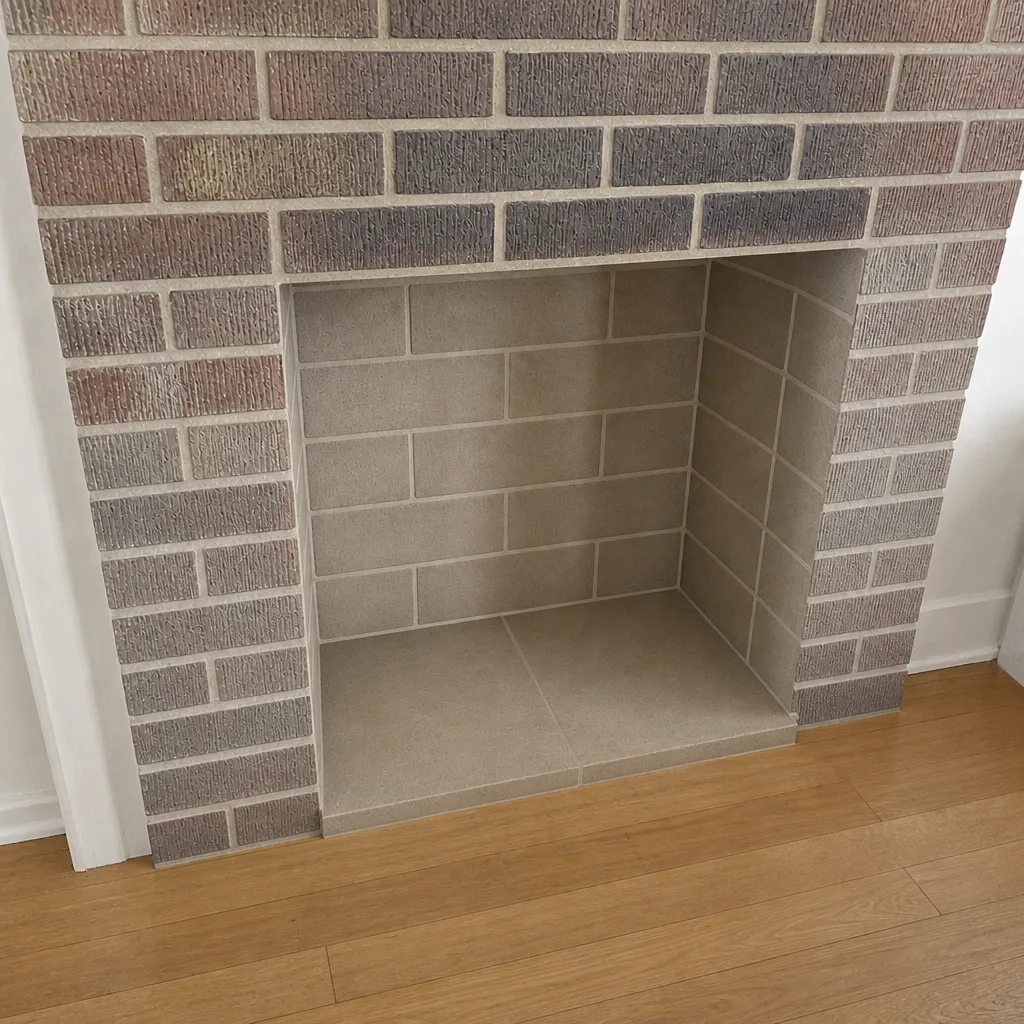
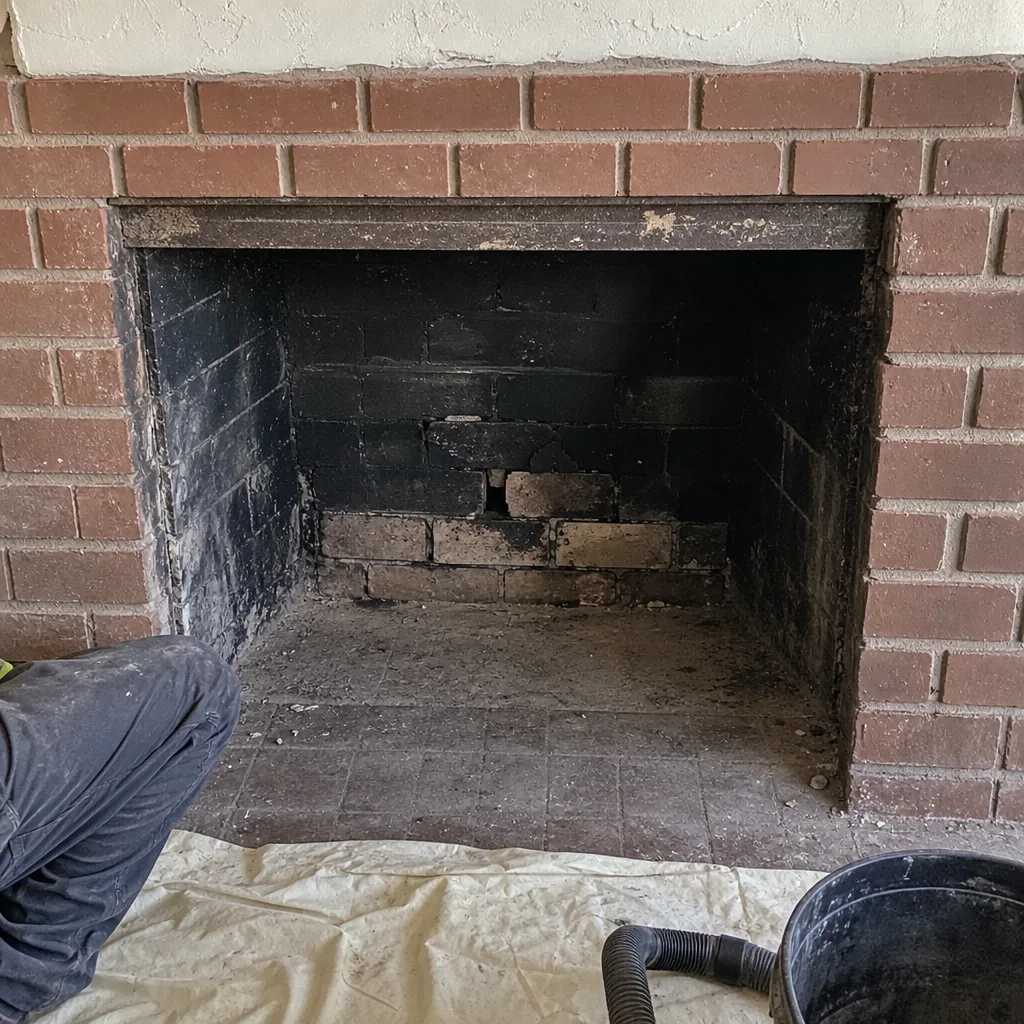
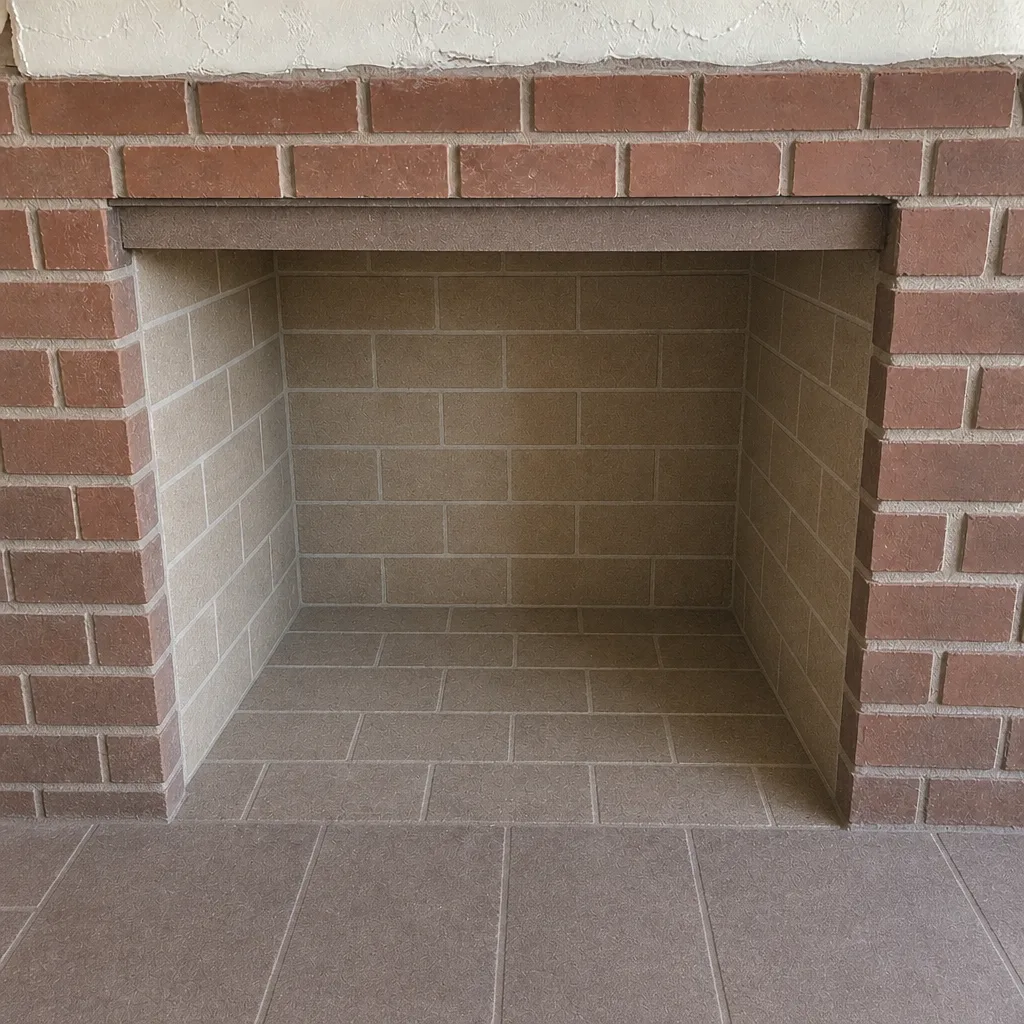
See the difference
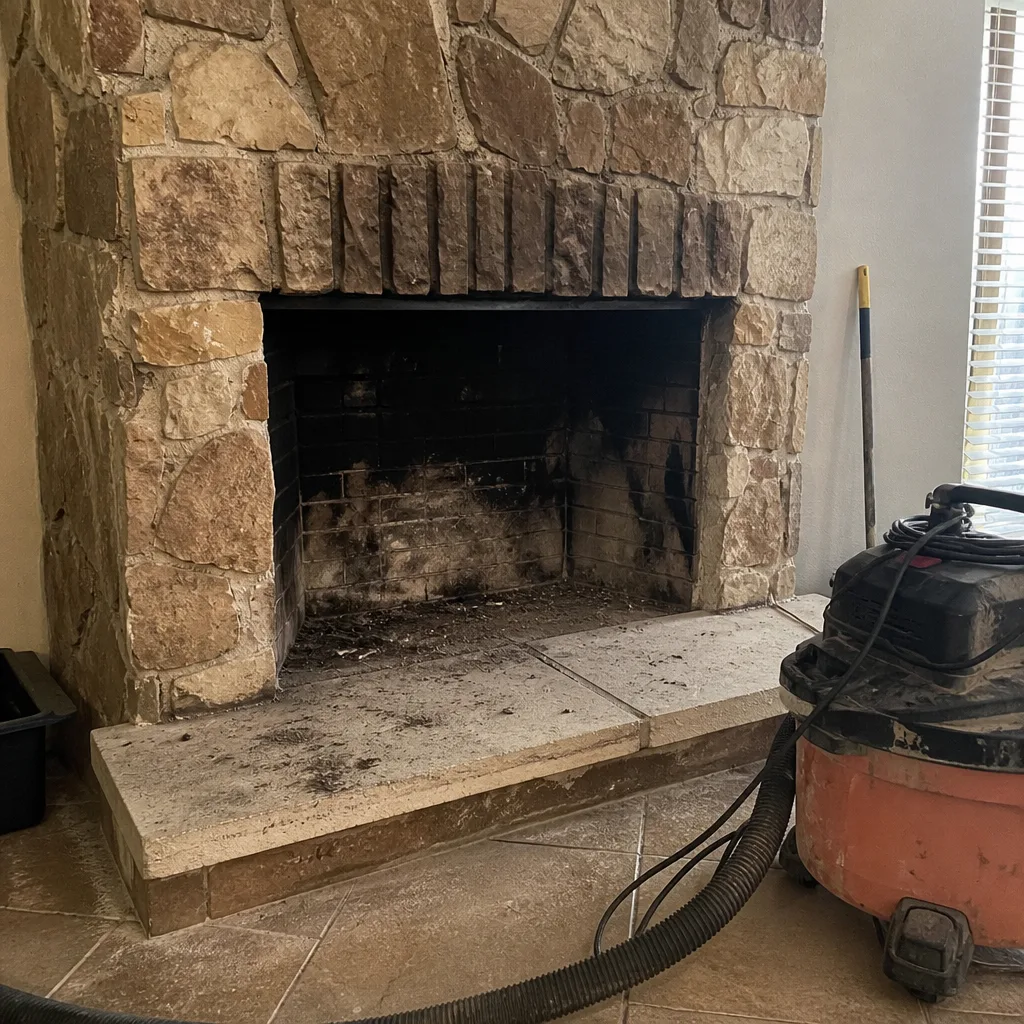 Before
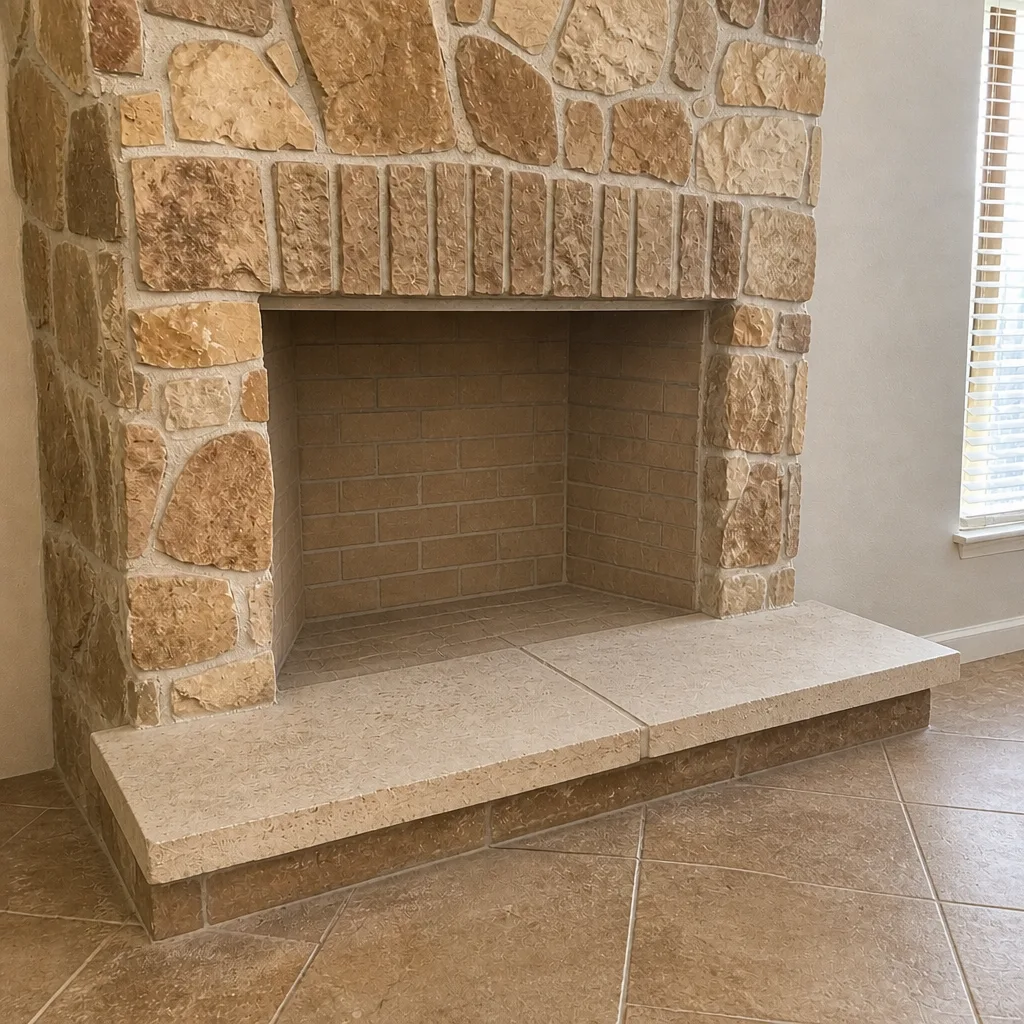 After
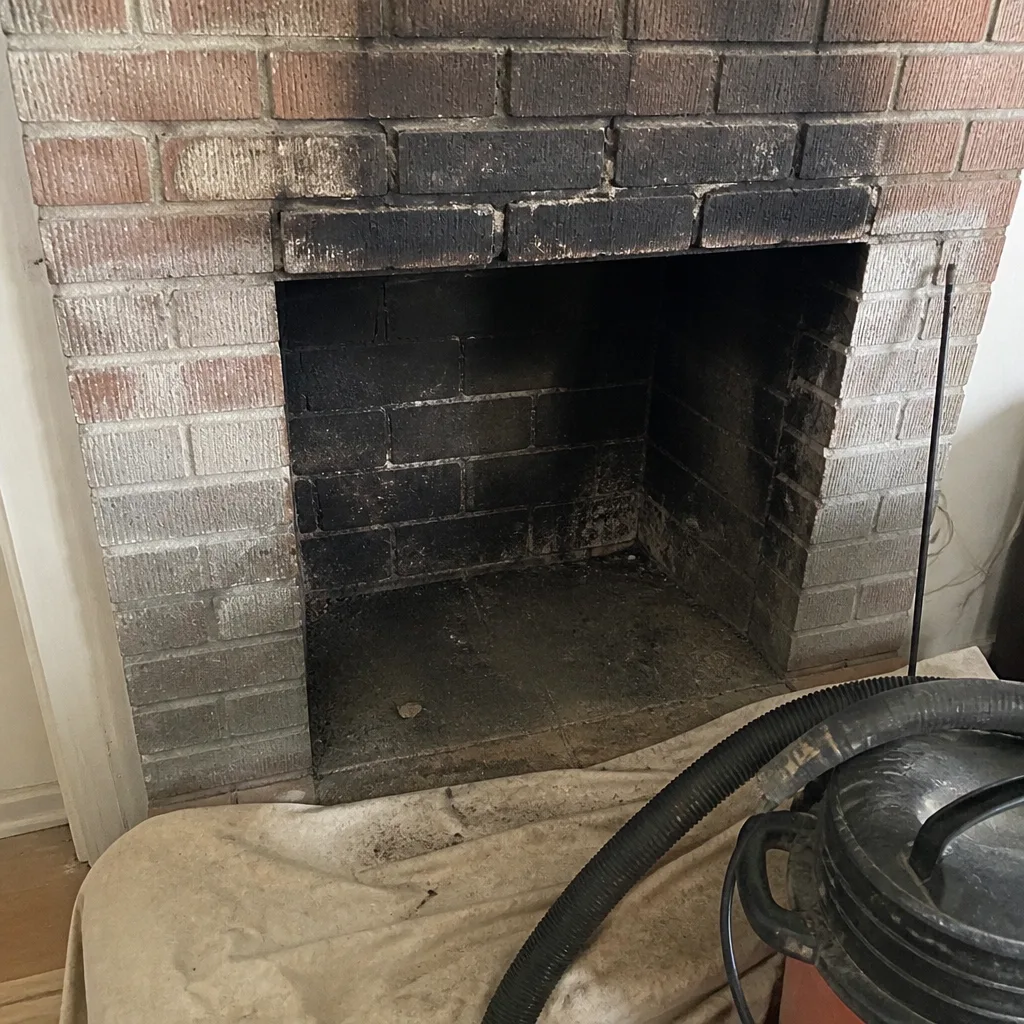 Before
 After
 Before
 After
Frequently Asked Questions
The most common chimney warning signs in Cape Coral are smoky or sulfur odor from the fireplace when no fire is burning, white efflorescence staining on the chimney exterior, rust on the damper or firebox, spalling brick or crumbling mortar joints, visible creosote glaze in the flue, and draft problems that appear in summer’s humid weather. Any single sign warrants a closer look; two or more together point to an inspection before the fireplace is used again. Call (888) 247-9034 for an exact quote on an inspection or sweep – estimates are free.
A bad chimney smell in a Cape Coral summer means the chimney is pulling air down rather than drafting up, and it’s moving creosote, moisture, or combustion residue into the living space. Warm humid air and a lower outdoor-to-indoor pressure difference can reverse the flow on still days. If the smell is sharp or sulfur-like, active creosote or a cracked liner is the likely cause, and a professional inspection should come before the fireplace is used again. Call (888) 247-9034 to schedule an inspection – estimates are free.
White staining on a Cape Coral chimney, called efflorescence, is a sign of active water infiltration, not cosmetic discoloration. Water is entering the masonry and pushing salts back out as the wall dries. On its own, it’s early-stage, but if it spreads season after season and comes with rust inside or ceiling stains nearby, the crown, cap, or flashing has likely failed. Get it inspected before the next rainy stretch. Call (888) 247-9034 for an exact quote.
Rust in the firebox does not automatically mean a new liner, but certain rust patterns do point to liner failure or moisture entering from above. Light surface rust that clears after a dry-out is usually minor; rust on the damper frame, along the flue throat, or on bolts and hardware that doesn’t clear is more serious. An inspection tells you whether the liner itself is compromised or a cap and crown repair will solve it. Call (888) 247-9034 before you use the fireplace again.
Spalling brick is cosmetic when the damage is limited to one or two brick faces with mortar joints still intact and level. It’s structural when mortar joints recess noticeably, crumble when rubbed, brick faces are missing across multiple courses, or there’s any displacement of the chimney above the roofline. Structural damage should be evaluated before the fireplace is used. Call (888) 247-9034 for a free estimate on repair.
Draft problems in Cape Coral are weather-related when they come and go with humidity, wind, and low-pressure days, and the chimney works fine in cooler, breezier conditions. They’re blockage-related when the draft is weak all the time regardless of weather. A camera inspection shows which one you’re dealing with, and it’s the only way to rule out a nesting or structural obstruction in the flue. Call (888) 247-9034 to book an inspection.
What actually happens if I skip the inspection and keep using the fireplace?
Skipping an inspection and continuing to burn means early warning signs progress on their own timetable, which isn’t one you control. Rust becomes a failed damper. Efflorescence becomes spalling brick. Glazed creosote becomes a chimney-fire risk. A draft problem becomes smoke in the room. None of these progresses faster because you noticed them; the inspection just gives you the chance to fix the small version instead of the structural one. A trained eye and a written estimate are the only honest way to know what needs doing now and what can wait. Call (888) 247-9034 for a free estimate.
The Bottom Line
The warning signs in this guide are easy to misread, and that’s the point. A sulfur smell in July, a spreading white stain, a spot of rust that keeps coming back, mortar joints that crumble under your thumb: none of these read as an emergency from the living room. But they’re the same four or five conditions we see behind most failed liners, water-damaged crowns, and chimney-fire calls. The right response is to have them looked at by someone who works on chimneys specifically, not to assume the roofer, the “seasonal quirk,” or the air freshener will take care of it. Most of what’s on this list can be fixed for far less when it’s caught as a warning sign rather than a failure. Our technicians have up to 9 years of experience, and the work runs on industry-grade materials from brands chimney professionals rely on. Inspect before you light, every season.
One call covers inspection, cleaning, and repair – no handoffs, and no handoff back to a generalist who’ll guess. Whether you’re seeing one sign or six, the first step is the same: we look, you see the evidence, and the written estimate tells you where things stand before any work begins. Call (888) 247-9034. We answer 24/7. Fast dispatch from 7am to 7pm, Sunday through Friday.
Written by the team at Cape Coral Chimney Sweep.