
Last updated November 15, 2026
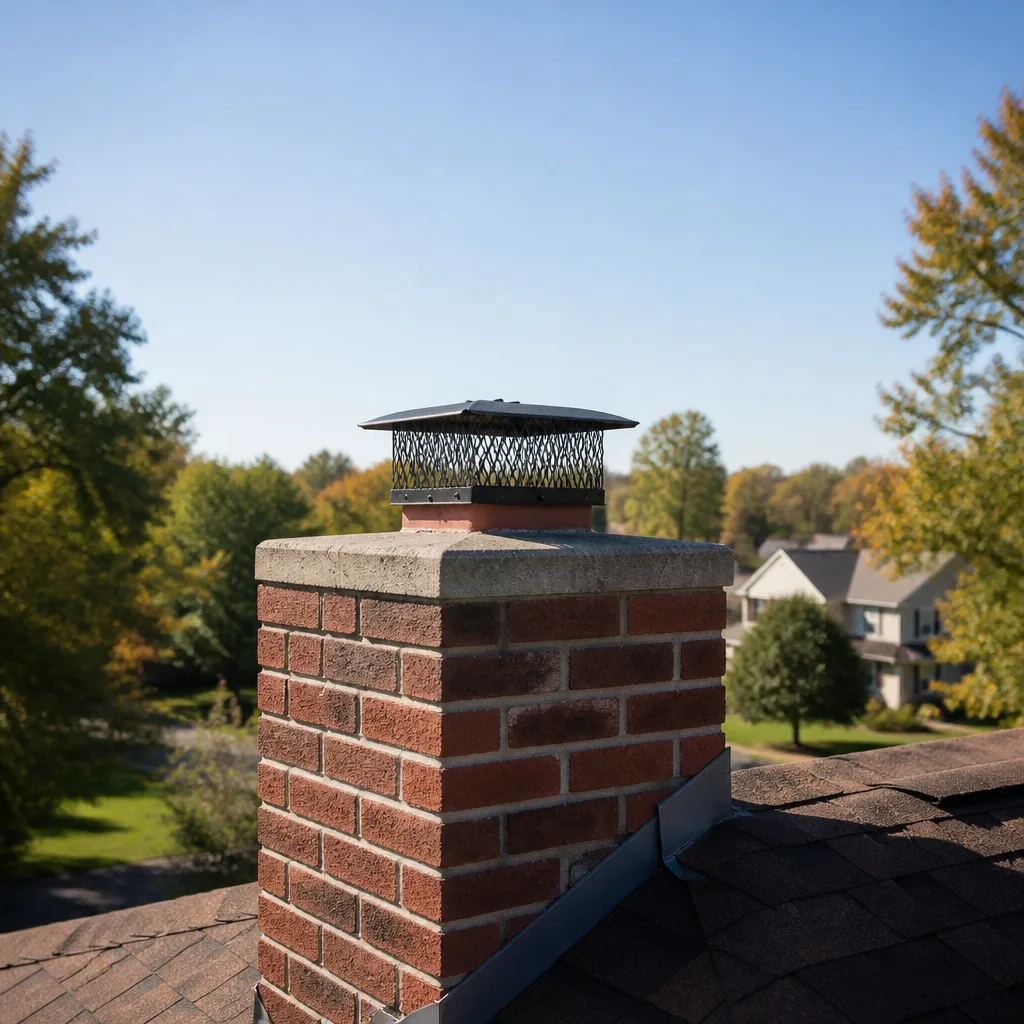 Sweep & inspection
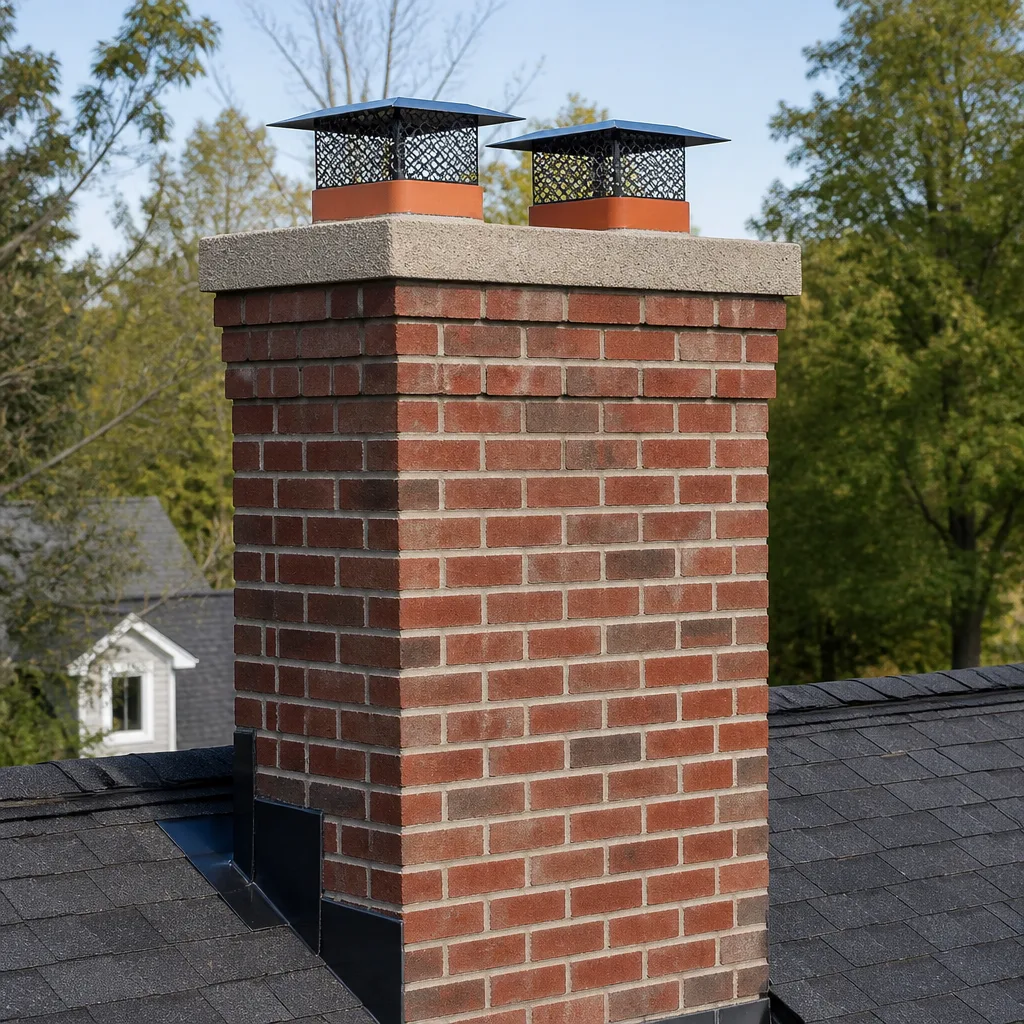 Caps & crowns
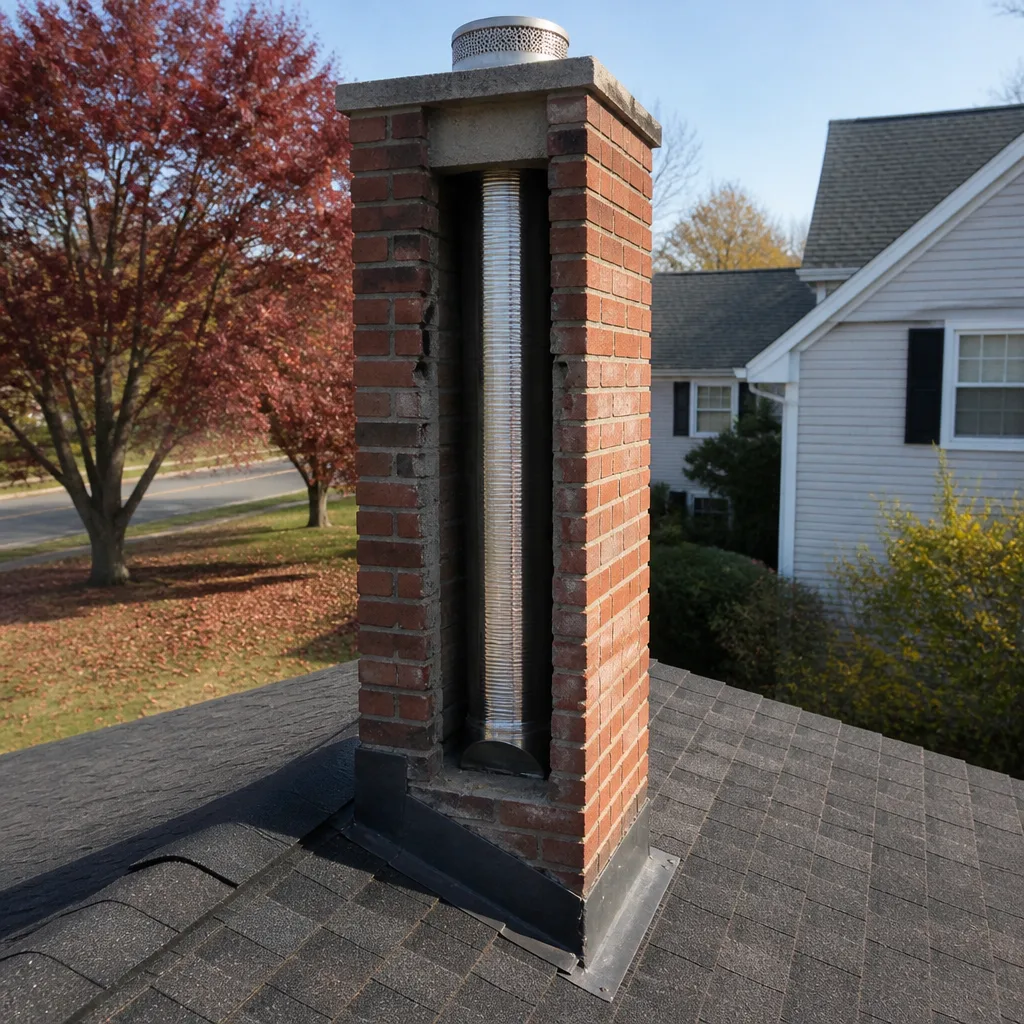 Flue relining
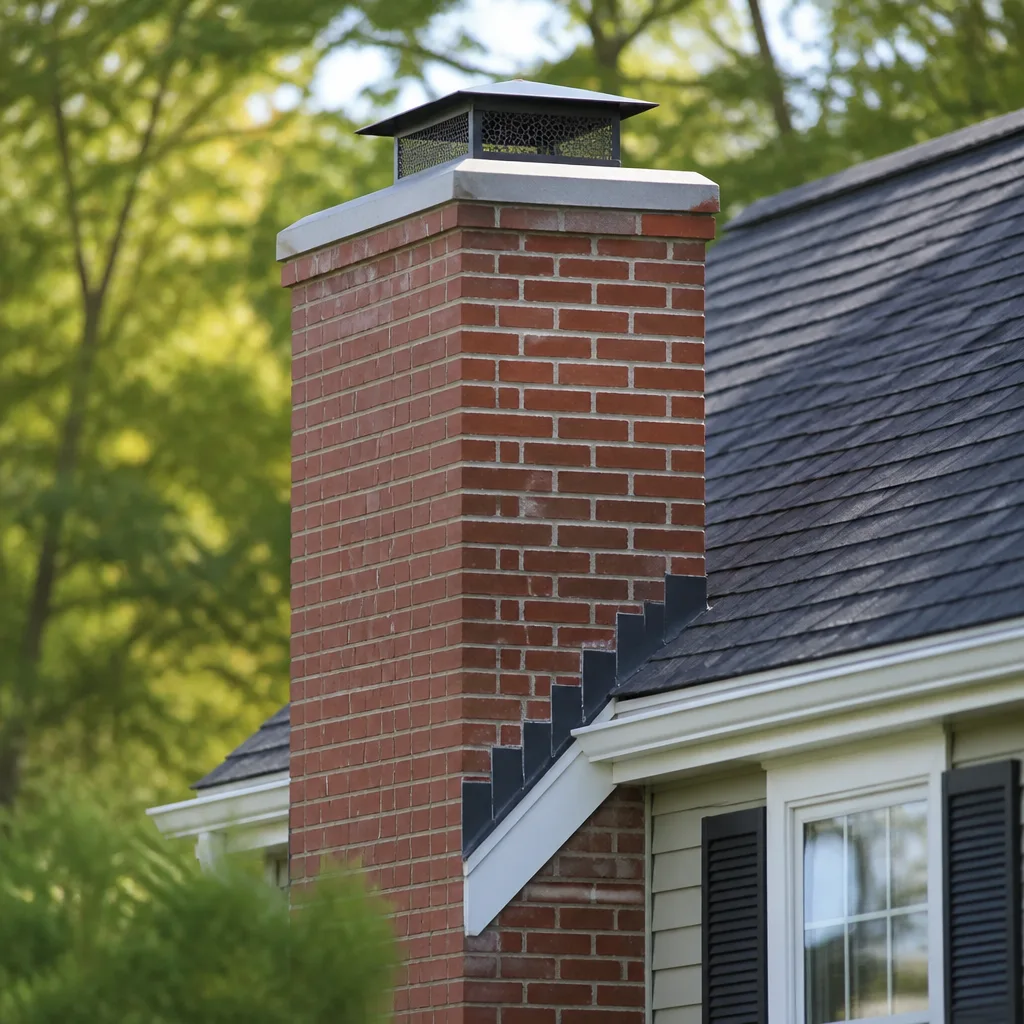 Masonry repair
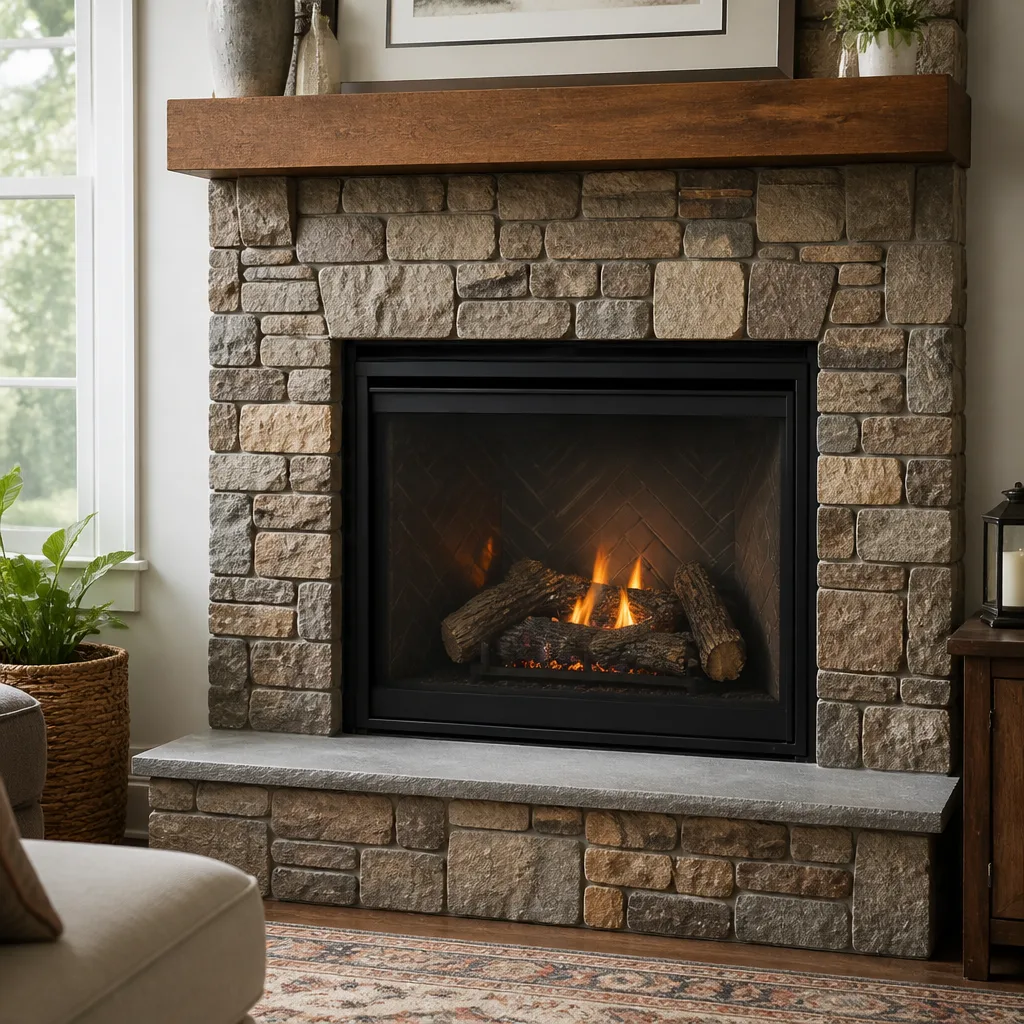 Gas fireplace service
Level 1 sweep and inspection to the NFPA 211 annual standard - flue, crown, cap, and flashing checked and photographed
Chimney sweep logs do not sweep chimneys. They loosen some creosote - which then falls where a brush and vacuum still have to collect it.
Chimney Sweep Maintenance Schedule: What to Do and When
If you burned your Cape Coral fireplace fewer than ten times last season, skipping this year’s sweep isn’t laziness. It might be correct. That runs against every annual-sweep reminder you’ll see, but a calendar month tells you almost nothing about what’s actually inside your flue. What matters is how much creosote has built up, and that depends on burn hours, wood type, and how hot your fires ran, not on whether the page-a-day flip lands on October. Meanwhile an open-top flue sitting idle through storm season has an entirely different inspection need that those same reminders ignore. This guide builds a real maintenance calendar around burn hours and the local humidity cycle, so you service the chimney when it needs it and not on somebody else’s schedule.
Quick Answer
In Cape Coral, schedule a sweep based on burn hours rather than the calendar: roughly every cord of wood burned or once a year if you use the fireplace regularly. Add an inspection after storm season whether you lit a fire or not, and a full Level 2 inspection whenever the situation changes (a new liner, a home sale, storm damage, or a switch in fuel type). An idle chimney still needs an annual look at the cap, crown, and flue for moisture and animal intrusion.
Styles & brands we work with
- Sweep & inspection
- Caps & crowns
- Flue relining
- Masonry repair
- Gas fireplace service
Table of Contents
- Why Burn Hours Beat the Calendar
- Calculating Your Creosote Threshold
- The Post-Storm Inspection Checklist
- What an Idle Chimney Needs in the Off-Season
- Level 1 vs. Level 2 Inspections
- A Month-by-Month Reference for Cape Coral
- Choosing and Storing Wood for a Mild Climate
- Keeping Records That Actually Help
Why Burn Hours Beat the Calendar
A chimney sweep schedule built on months assumes four real seasons and a heating load that runs for half the year. That model fits Buffalo. It doesn’t fit Cape Coral, where a fireplace gets used for a handful of cool evenings and then sits for months. Two households on the same street can have wildly different maintenance needs based on nothing more than how often they light a fire and what they burn.
Creosote accumulates in proportion to the volume and temperature of the smoke moving through the flue. A slow, smoldering fire produces more of the sticky, flammable kind. A hot fire with dry, seasoned wood produces far less. So the real variable is burn quality times burn quantity, and a calendar sweep treats both as invisible. We’ve seen flues on the same block go years without needing much and others need attention within a single season, and it comes down to use, not birthdays.
Here’s a practical way to think about it. Track your fires. A rough rule the trade uses: sweep after every cord of wood burned, and at minimum once a year if you’re lighting fires at all. If you burned a quarter cord over a mild winter, you’ve got a lot of breathing room. If you went through two cords of mixed hardwood in a cool snap, you don’t.
- Under 10 fires a season: annual inspection, sweep only when inspection calls for it.
- Regular weekend fires through the cool months: annual sweep and inspection.
- Multiple cords burned, or frequent long burns: inspection at mid-season, sweep as needed.
- Gas insert or gas log set: annual inspection for venting and dust, no creosote sweep in the wood sense.
The point is simple. A Cape Coral homeowner with a lightly used fireplace is probably over-scheduled by a generic reminder. A heavy user might be under-scheduled by that same reminder. Burn hours tell you which one you are. For a full explanation of what a sweep involves in this market, our chimney sweep page covers the process from start to finish.
Calculating Your Creosote Threshold
Creosote is the residue left when wood smoke cools before it exits the flue. It forms in three general stages: a light soot that brushes off, a sticky glaze that’s harder to remove, and a hardened glaze that requires more than a brush. The stage you reach depends on three things you can actually control.
- Wood type and moisture. Dry, seasoned hardwood burns hot and clean. Green or unseasoned wood, or softwoods with high moisture content, burn cool and produce more residue. Moisture is the single biggest lever.
- Burn duration and temperature. A long, hot fire with good air supply burns more completely. A slow, smoldering overnight fire with the damper choked down sends more unburned material up the flue, where it condenses.
- Flue temperature and geometry. An exterior chimney runs cooler than an interior one, and an offset or oversized flue lets smoke cool faster. Cooler flue gas means more condensation on the walls.
You can’t measure creosote thickness by feel through the firebox, and you shouldn’t try. A flashlight up the flue from below tells you a little. A proper look from the top with the right tools tells you what matters. This is the difference between an inspection and a guess, and it’s why the inspection comes before the sweep, not after. Knowing the stage of your buildup determines whether a standard brush sweep does the job or whether a glaze requires more work.
- Stage 1 (soot and light flaky buildup): a normal sweep clears it.
- Stage 2 (sticky, glazed): harder removal, and a sign your burn habits are running cool.
- Stage 3 (hardened glaze): heavy buildup, higher risk, and a reason to correct the underlying cause, not just clean it.
Wood choice and burn technique are the two knobs most homeowners have. Dry wood, hot fires, and a flue that gets proper air all push you toward stage 1, which is cheap and easy to maintain. The rest is inspection. If creosote is allowed to build to a glaze and then the flue is heated harder than usual, that’s when a chimney fire can start, and a chimney fire is the reason the schedule exists at all. This is the safety case for regular inspection, stated plainly. Call (888) 247-9034 if you want a professional eye on your buildup before you light up again. We answer 24/7.
The Post-Storm Inspection Checklist
Storm season is the part of the year most annual-sweep reminders completely ignore. A sweep reminder tells you to clean the flue before winter. It says nothing about what a heavy rain, driving wind, or a passing storm does to the parts of the chimney that live outdoors. For a chimney that spent the season with a firebox full of nothing, this is the inspection that actually matters.
After storm season in Cape Coral, a trained technician looks at the exterior components first, because that’s where storm damage shows. Here’s what a proper post-storm inspection covers:
- Cap integrity. A chimney cap shields the flue from rain and keeps animals out. Wind can bend or dislodge it, and a loose cap lets water straight down the flue.
- Crown cracking. The concrete crown at the top sheds water away from the chimney. Hairline cracks grow, and once water gets behind the crown it works into the masonry.
- Flashing displacement. The metal at the roof-to-chimney joint seals the penetration. Wind and settling can lift or separate it, opening a path for water.
- Masonry and mortar joints. Wet mortar softens and spalls. Freezing isn’t the issue here, but sustained rain soaking and drying cycles are.
- Flue interior and appliance connection. Wind can shift a liner or loosen a connection. This is checked with a camera so you can see what the technician sees.
The reason this checklist matters in Cape Coral specifically is the length and intensity of the wet season. Months of heavy rain followed by the dry season means the chimney cycles through soak-and-dry repeatedly. Water is the most common cause of chimney damage in this climate, and none of it shows from the living room. A cap that came loose in August isn’t a problem you’ll notice until the ceiling stains, and by then the repair is bigger.
A post-storm inspection is not the same as a sweep. It’s a structural and moisture look, and often no cleaning is involved at all. If it turns up cracked crowns, displaced flashing, or a damaged liner, that’s repair work, not cleaning, and it should be handled before the next burn season. Our chimney repair page explains what those fixes involve. If you’ve been through a rough storm season, book the inspection now rather than waiting for a reminder that assumes snow.
What an Idle Chimney Needs in the Off-Season
A chimney that isn’t being used is not a chimney that’s fine. It’s a chimney that’s still open to the sky, still cycling through rain and humidity, and still a very good place for birds, squirrels, and insects to make a home. The difference in Cape Coral is that the idle period is long and humid. That combination is exactly what drives moisture damage and animal intrusion, and the standard annual-sweep reminder never addresses it because it assumes the chimney is being used.
The main off-season concerns are:
- Moisture intrusion. Rain entering through a missing or damaged cap, a cracked crown, or separated flashing. Once inside, it soaks masonry and can rust or degrade a metal liner.
- Animal nesting. An uncapped flue is an invitation. Nests block the flue, and a blocked flue is a carbon monoxide hazard when the appliance is next used.
- Draft and airflow. A chimney that sits sealed up all humid season without ventilation can develop musty odors and, in some setups, contribute to a stale smell that migrates into the house.
- Deteriorated liner. An old clay or metal liner sitting wet all season can crack or degrade without anyone knowing until a fire is lit.
The fix is an off-season inspection, and it’s the single most overlooked item on any chimney maintenance schedule in Cape Coral. It’s a short visit. The technician checks the cap and crown, looks down the flue for nests or blockages, and confirms the liner is intact. It’s the kind of thing that costs little when done proactively and turns into real repair when deferred for a few seasons. If your fireplace sat idle through the humid months, this is the one appointment to make before you think about burning anything. Call (888) 247-9034 and we’ll get it on the calendar. Fast dispatch from 7am to 7pm, Sunday through Friday, and we answer 24/7.
Level 1 vs. Level 2 Inspections
Not all chimney inspections are the same, and the difference matters for how you schedule them. The trade recognizes three levels, and most routine homeowners need the first two. A Level 1 inspection is the standard annual look for a chimney that’s in regular use with no changes and no known problems. It covers the readily accessible parts: the firebox, the damper, the visible flue, and the exterior components you can see from the ground or a ladder.
A Level 2 inspection goes further. It includes everything in a Level 1 plus a camera inspection of the flue interior and a closer look at accessible portions of the attic and crawl space where the chimney passes through. It’s the more thorough option, and it’s the one that catches hidden liner damage, gaps at connections, and problems that a Level 1 would miss. A Level 3 inspection is reserved for specific situations where parts of the chimney have to be opened up, and it’s rare.
So which do you need? Here’s the practical split.
- Level 1: routine annual inspection on a chimney in normal use with no changes and no concerns.
- Level 2: after a home sale or transfer, after storm damage, after a new liner or appliance install, after a change in fuel type, after a chimney fire, or any time the flue interior is in question.
- Level 3: when a specific problem is suspected and access requires removing part of the chimney or adjacent structure.
The trigger events matter more than the levels themselves. A home sale is the biggest one people miss. If you’re selling or buying a Cape Coral home with a fireplace, a Level 2 inspection is the standard expectation, and it protects both sides. The same applies after a new liner is installed or a wood stove is swapped in, because the point is to confirm the new configuration actually works. Even a Cape Coral Chimney Sweep visit for a routine sweep will flag which level your situation calls for. That’s part of an inspection that’s worth the name.
A Month-by-Month Reference for Cape Coral
Instead of a four-season calendar, think in terms of two local seasons: the humid, storm-heavy stretch and the cooler, drier stretch when the fireplace actually gets used. The tasks line up with those two blocks, not with textbook winter. Here’s the reference we use when organizing a maintenance year in Cape Coral.
| Period | What to Do | Why It Matters Here |
|---|---|---|
| Late dry season / before cool weather | Pre-season sweep and inspection | Confirm the flue is clear and the liner is sound before the first fire |
| Cool, dry months | Burn season; monitor and track your fires | This is when creosote actually accumulates |
| Mid burn season | Inspection if you’re a heavy user | Catch buildup before it reaches a hard glaze |
| End of burn season | Final sweep if a cord or more was burned | Clear residue before it sits through the humid months |
| Before storm season | Confirm cap, crown, and flashing are sound | These shield the chimney from months of heavy rain |
| After storm season | Post-storm inspection of exterior and flue | Wind and rain are the main damage drivers here |
The two big appointments are the pre-season sweep-inspection and the post-storm inspection. Everything else is driven by how much you actually burn. For a household with a lightly used wood fireplace, that’s a fairly light year. For a household that runs fires on cool snaps and burns steadily through the dry months, it’s a two-visit year plus a mid-season look. The trick is to anchor the calendar on the seasons that exist here rather than the seasons the generic reminder assumes.
If you live in a Cape Coral community where homes are close together and chimneys share similar construction, you’ll often find the neighborhood’s chimneys tend to age in similar ways, so it’s worth checking yours even if a neighbor had no trouble. Our Cape Coral page is the place to start if you want to understand how the local climate shapes chimney care.
Choosing and Storing Wood for a Mild Climate
The wood you burn does more to set your maintenance schedule than any reminder. Wet wood produces smoke that cools and deposits creosote. Dry wood burns hot and leaves less behind. The mild, humid climate in Cape Coral makes proper seasoning a bit of a project, because the same humidity that feels comfortable outside can keep firewood from drying. Wood that would season in a summer up north can take longer here if it’s stacked tight and covered.
A few practical rules for storing wood in this climate:
- Stack it off the ground. A pallet or rack keeps moisture from creeping up from below.
- Leave the sides open. Airflow does more drying than sun, and a tarp draped tight keeps moisture in.
- Cover only the top. A roof over the woodpile sheds rain while still letting air move through.
- Season it longer than you think. Aim for well under the moisture content that makes wood smoke and smolder.
- Burn hardwood where you can. It burns hotter and longer, and hotter burns produce less residue.
Seasoned wood is a maintenance choice, not a luxury. A dry-wood household can go longer between sweeps than a wet-wood household burning the same volume, and the difference shows up in inspection photos. If you’re not sure how dry your wood is, a moisture meter is inexpensive and takes the guesswork out of when to burn. We often find that a homeowner who’s been fighting a smoky fire simply has wet wood and a cool-burning flue, and the fix is in the woodpile.
Once you’ve got the wood sorted, the maintenance schedule becomes easier to hold to. When you call us for a sweep, we’ll tell you honestly whether your burn habits are pushing buildup faster than necessary. Our technicians have up to 9 years of experience and work on chimneys exclusively, so the advice is grounded in the trade, not in a general home-services checklist. Industry-grade materials from brands chimney professionals rely on are used for any repair the inspection uncovers, including HeatShield and Gelco for liner restoration and Olympia Chimney components for venting. You can reach us at (888) 247-9034.
Keeping Records That Actually Help
A record of what your chimney has had done, and when, is worth more than a stack of receipts. It lets a technician see the pattern: how fast buildup happens, whether a liner has been repaired, whether the cap was replaced. That historical view makes the next inspection faster and more accurate, and it’s invaluable if you ever sell the home. A buyer’s inspector will look for exactly this.
Here’s what’s worth keeping:
- Dates and type of every sweep and inspection. Note whether it was Level 1 or Level 2.
- Any repairs, with the product used. If a liner was restored or a cap replaced, record it. This is where working with named manufacturer brands pays off; you have a record of what’s actually on the chimney.
- Burn notes. Roughly how much wood you burned and how often. It takes seconds and changes the whole schedule.
- Photos from each inspection. Camera inspection results and photo documentation let you see the condition yourself, and you can compare year to year.
- Any change in appliance or fuel. A new gas insert or wood stove changes what maintenance looks like, and it should be noted.
The records also answer a question homeowners ask a lot: do I really need all this? When you can see, in photos and dates, that the flue is clean and the liner is sound, you know what you’re paying for and what can safely wait. That’s the whole point of doing the inspection first.
Common Mistakes to Avoid
- Following a northern calendar in a mild climate. A reminder built for a place with a long heating season over-services a lightly used Cape Coral fireplace and under-services a heavy one. Schedule by burn hours instead.
- Skipping the off-season inspection because no fires were lit. An idle chimney in a humid climate still takes on moisture and animals. No fire does not mean no inspection.
- Burning wet or unseasoned wood to save effort. It produces more creosote and a cooler flue, which pushes buildup faster and can turn a routine sweep into a harder job.
- Assuming a sweep is a safety check. A sweep removes buildup; an inspection checks the cap, crown, flashing, and liner. They’re different services, and both belong on the schedule.
- Ignoring trigger events. A home sale, a new liner, a change in fuel, or storm damage all call for a Level 2 inspection. A routine Level 1 will not catch everything.
- Waiting for a smell or stain before acting. Water damage and a damaged liner often show no symptoms until repair costs more. Post-storm inspections exist to catch them early.
- Leaving a flue uncapped. An open flue invites nests and rain. A cap is cheap protection compared with the alternative.
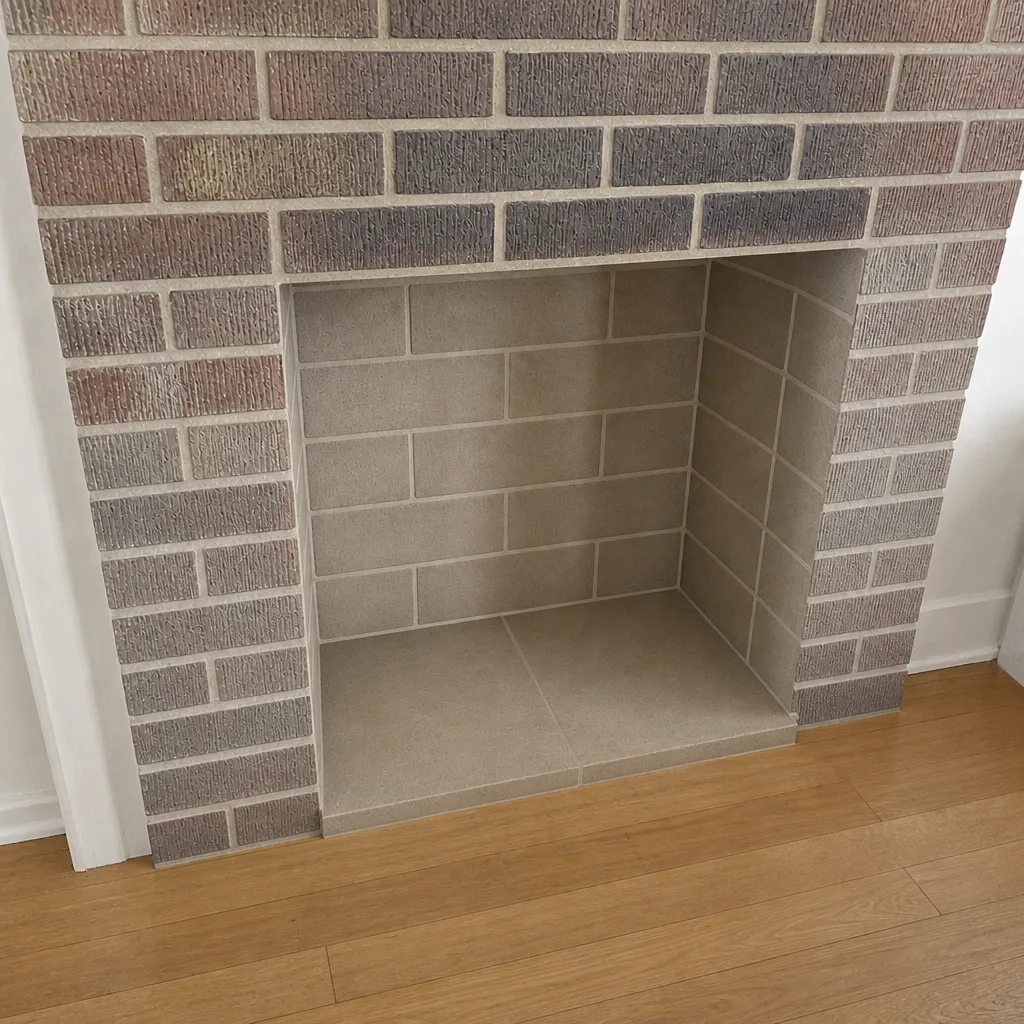
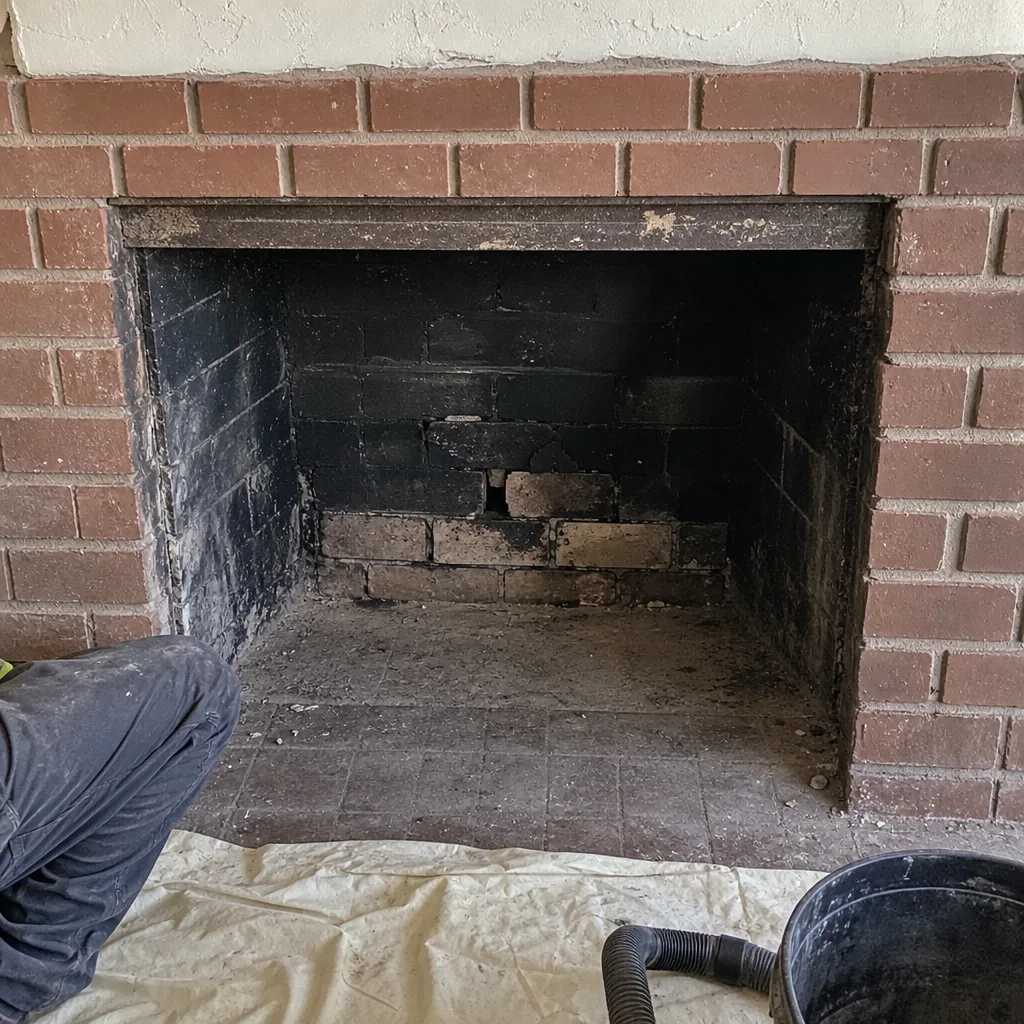
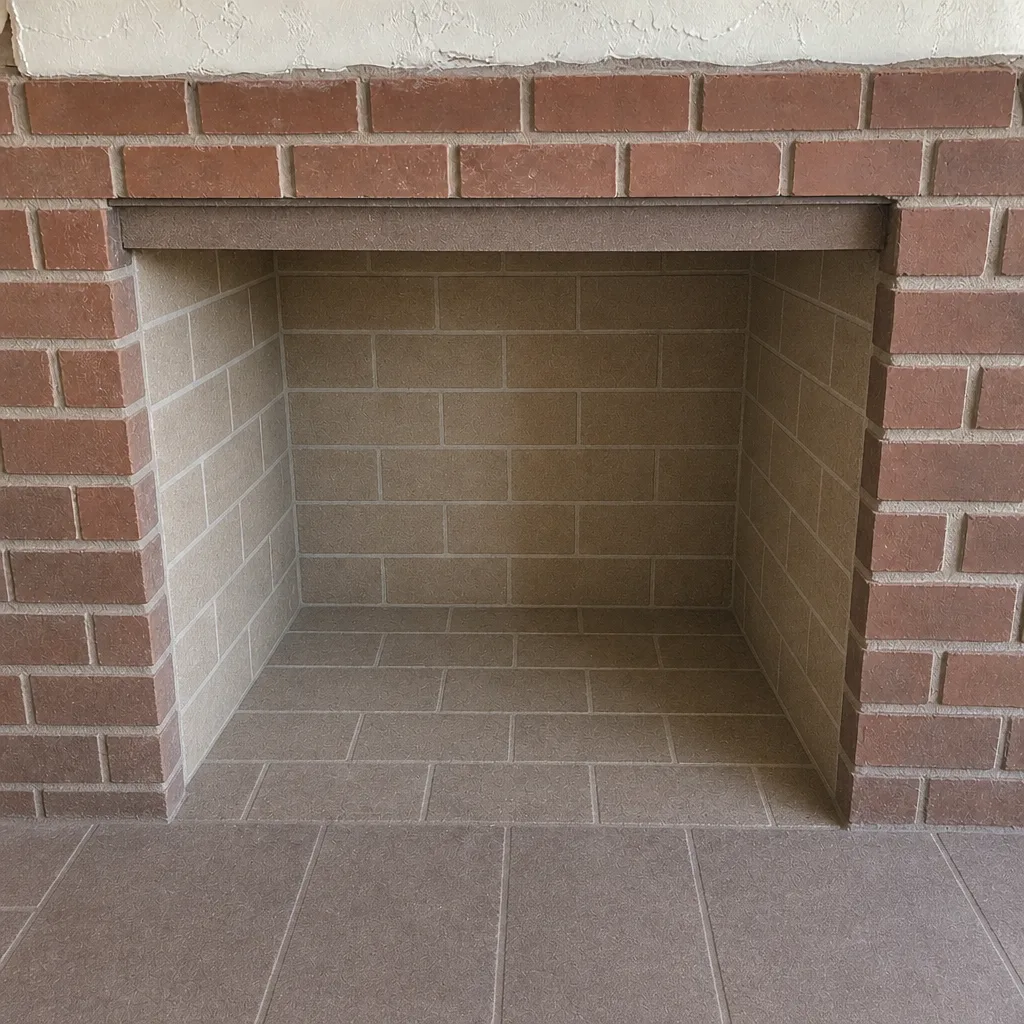
See the difference
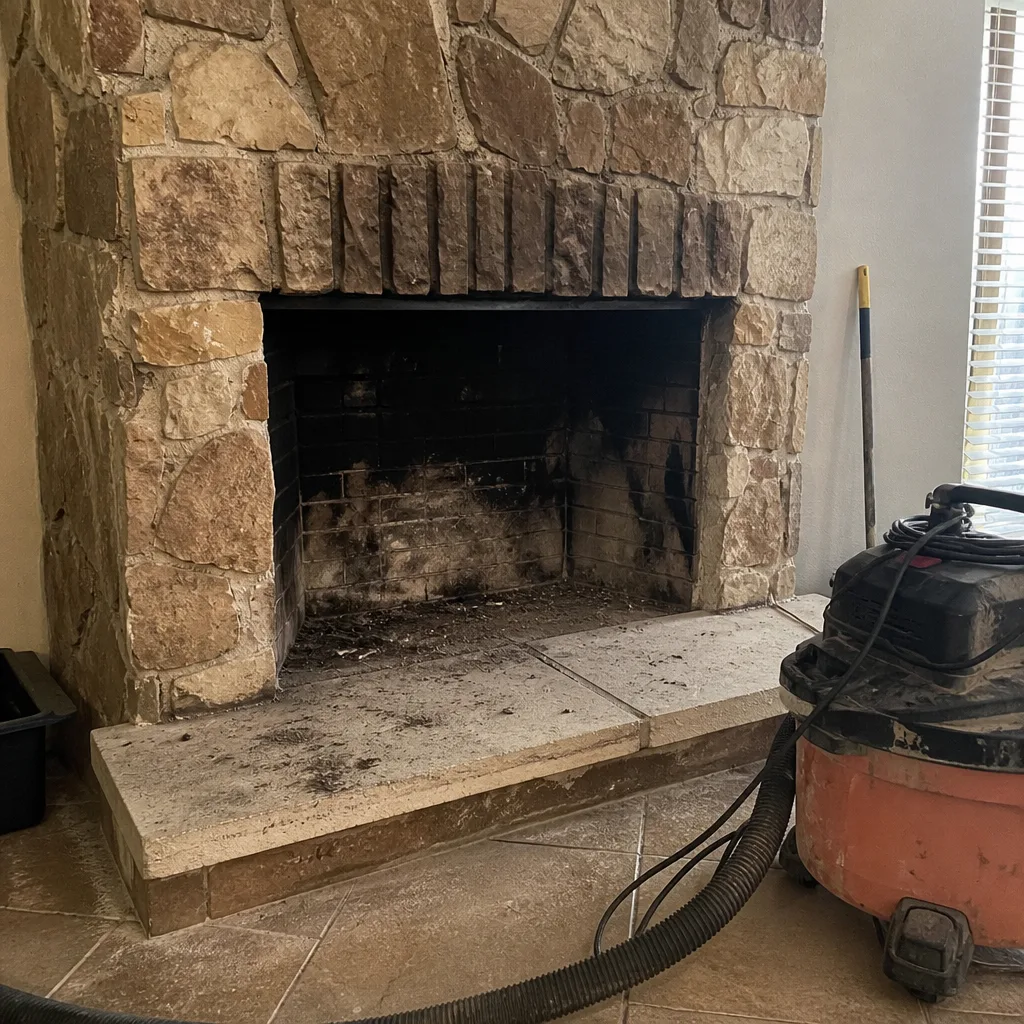 Before
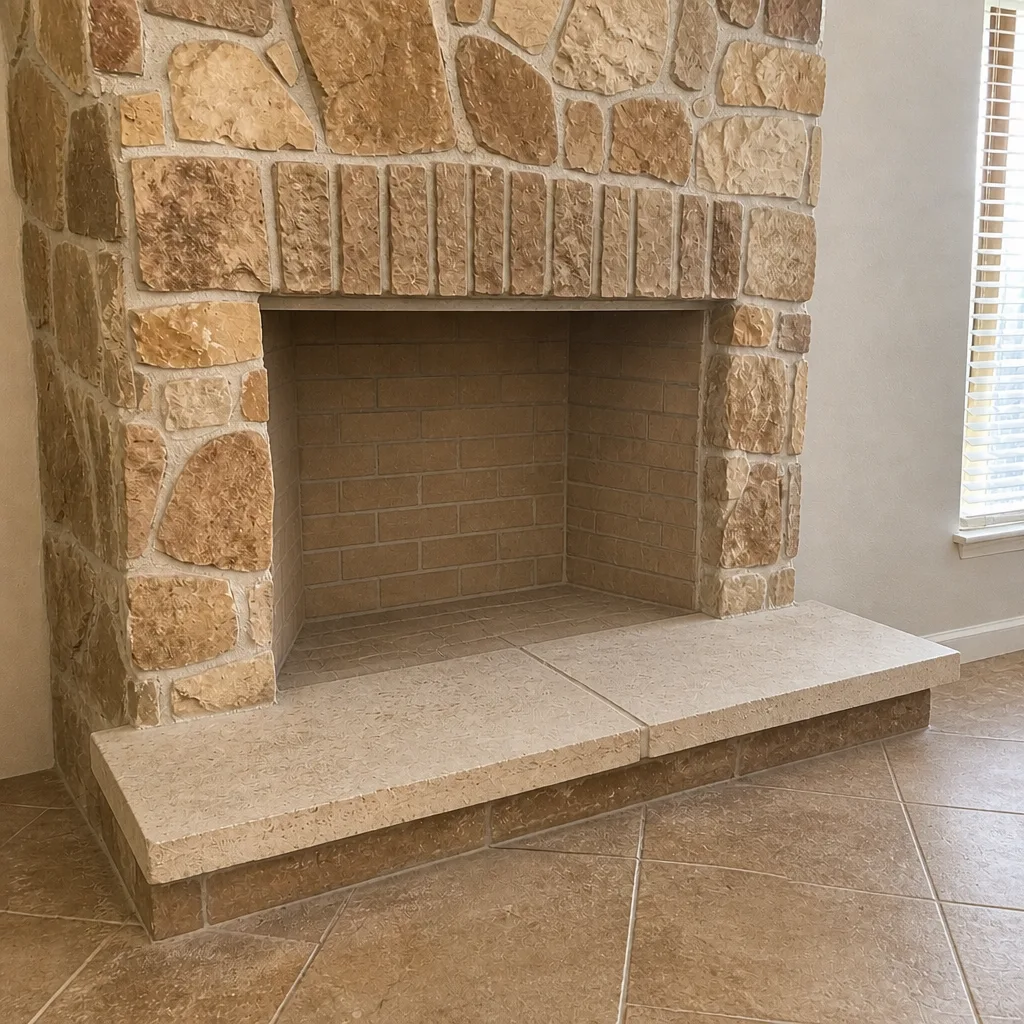 After
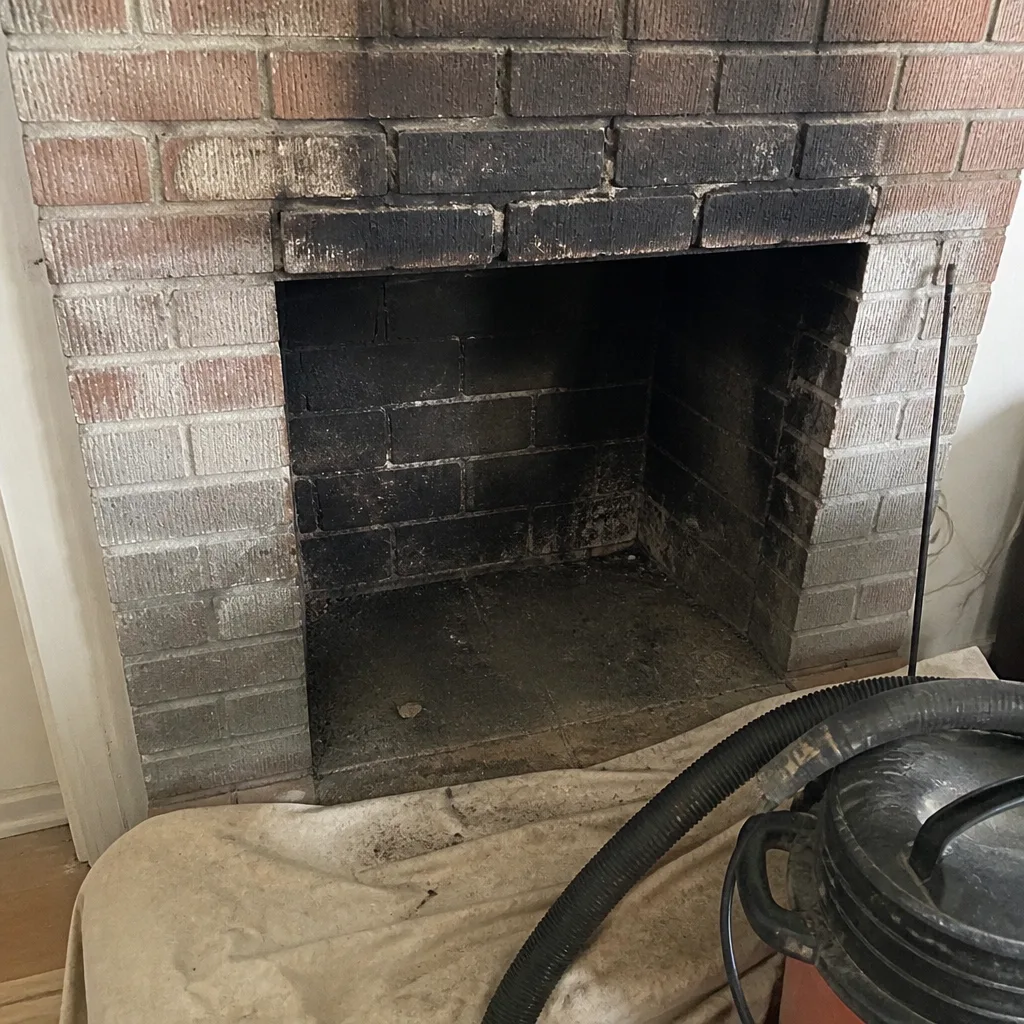 Before
 After
 Before
 After
When to Call a Professional
Some situations clearly call for a trained technician rather than a wait-and-see. Call us if you’ve burned a cord or more since the last sweep, if you’ve had a chimney fire, or if you’ve noticed a strong creosote smell, smoke entering the room, or stains on the ceiling or chimney exterior. If you’ve never had the chimney inspected, or you’re buying or selling a home with a fireplace in Cape Coral, a Level 2 inspection is the right call. After storm season, a post-storm inspection protects your chimney from months of rain finding a way in. Cape Coral Chimney Sweep offers free estimates in Cape Coral, and one call covers inspection, cleaning, and repair with no handoffs. Call (888) 247-9034. We answer 24/7, with fast dispatch from 7am to 7pm, Sunday through Friday.
Frequently Asked Questions
Usually once a year if the fireplace is used regularly, or after roughly every cord of wood burned, whichever comes first. In Cape Coral a lightly used fireplace may need only an annual inspection rather than an actual sweep. The inspection determines the rest. Call (888) 247-9034 for an exact quote, since estimates are free.
A routine sweep typically falls within a modest range that depends on the flue, access, and buildup, and it’s set per job by a written estimate. There’s no fee for the estimate itself, so the best way to get a firm figure for your chimney is to book a look. Call (888) 247-9034 for an exact quote, since estimates are free.
Yes. Low use cuts down on creosote, but it doesn’t stop rain, humid air, or animals from affecting an idle chimney. In Cape Coral’s climate a short off-season inspection is the highest-value item on the schedule for a lightly used fireplace. Call (888) 247-9034 to book one, since estimates are free.
A Level 1 is the standard annual look at readily accessible parts, while a Level 2 adds a camera inspection of the flue interior and a closer look where the chimney passes through the structure. A home sale, storm damage, a new liner, or a change in fuel type calls for Level 2. Call (888) 247-9034 to find out which level your chimney needs, since estimates are free.
Skipped maintenance lets creosote build toward a glaze and lets water and animals work on an idle flue, and either can turn into a bigger repair. A blocked flue is also a carbon monoxide risk once the appliance is used again. A regular inspection catches these before they get expensive. Call (888) 247-9034 for an assessment, since estimates are free.
Yes, a Level 2 inspection is the standard expectation when a home with a fireplace changes hands, and it protects both buyer and seller. It confirms the liner and connections are sound and gives you documentation you can hand over. Call (888) 247-9034 to schedule one, since estimates are free.
The Bottom Line
Your chimney doesn’t run on a calendar; it runs on burn hours, wood quality, and the local weather cycle. Sweep based on how much you burn, inspect after storm season whether you lit a fire or not, and keep an off-season eye on an idle flue in this humid climate. Get the inspection level right for the situation, and let the camera tell you what’s actually there. That’s a schedule built for how fireplaces are really used in Cape Coral. And if you’d rather not reason it out alone, we work on chimneys exclusively, and one call covers inspection, cleaning, and repair. Call (888) 247-9034. We answer 24/7, with fast dispatch from 7am to 7pm, Sunday through Friday.
Written by the team at Cape Coral Chimney Sweep.