
Last updated November 15, 2026
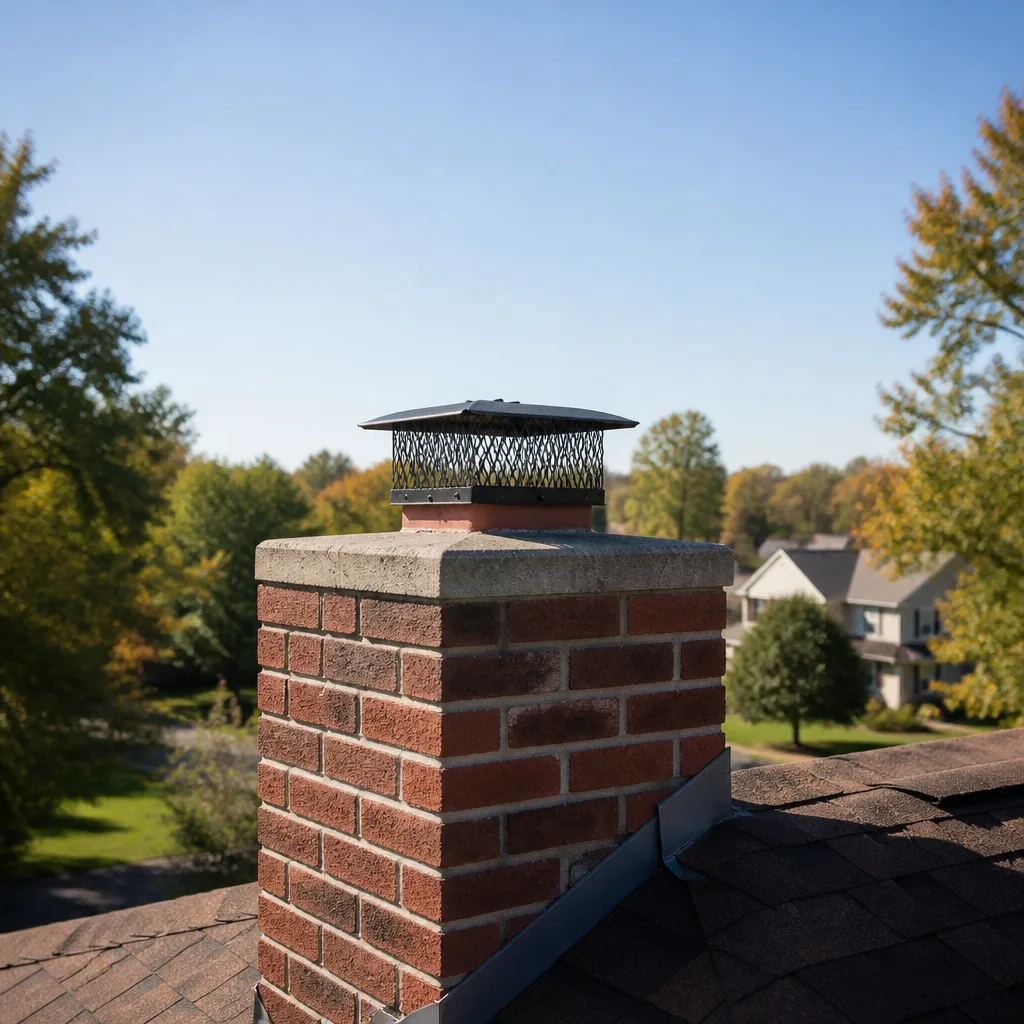 Sweep & inspection
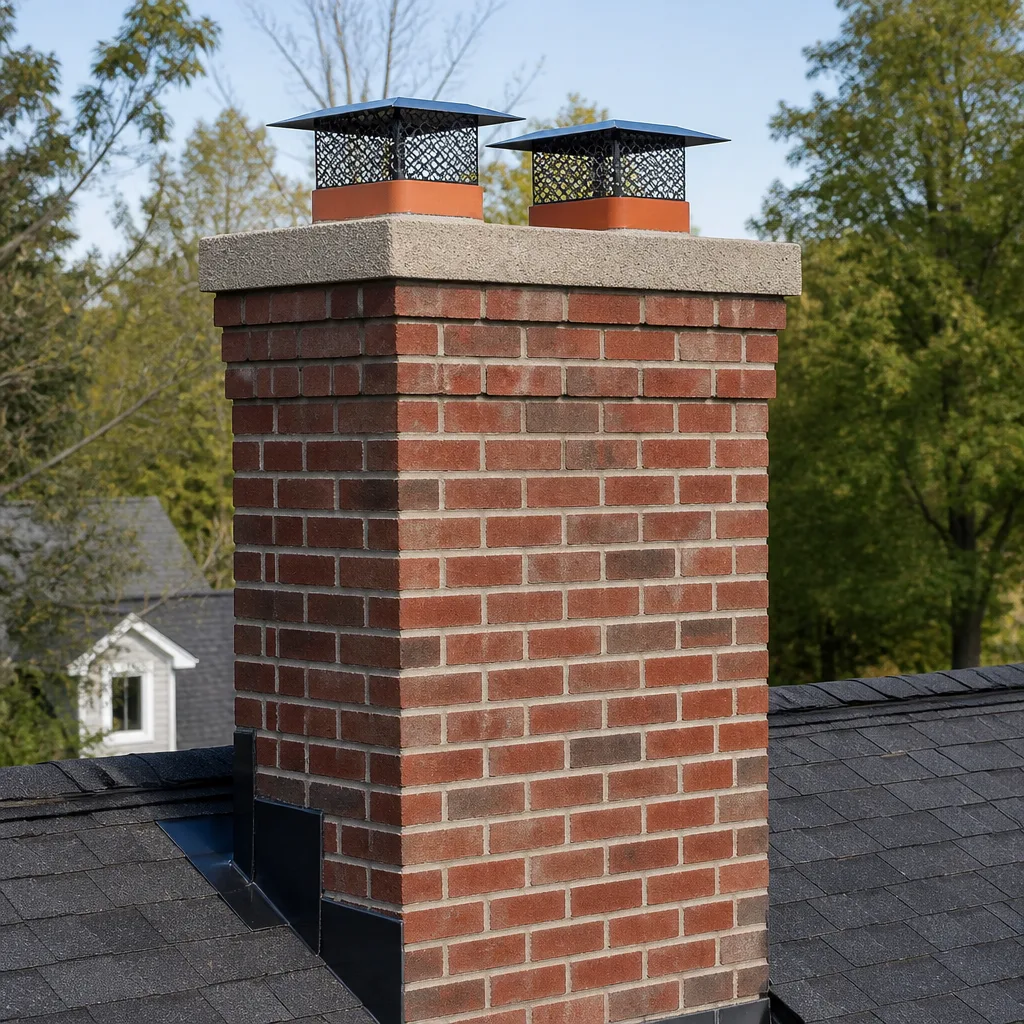 Caps & crowns
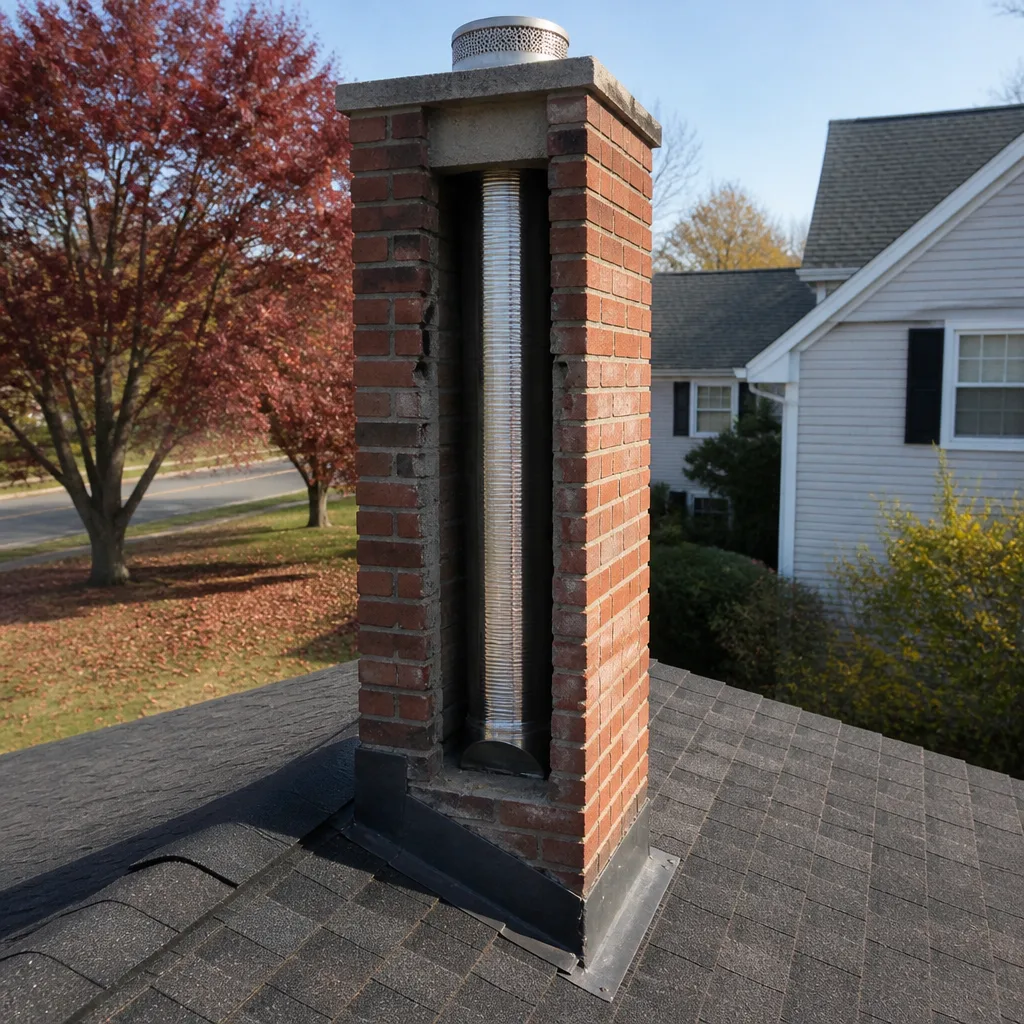 Flue relining
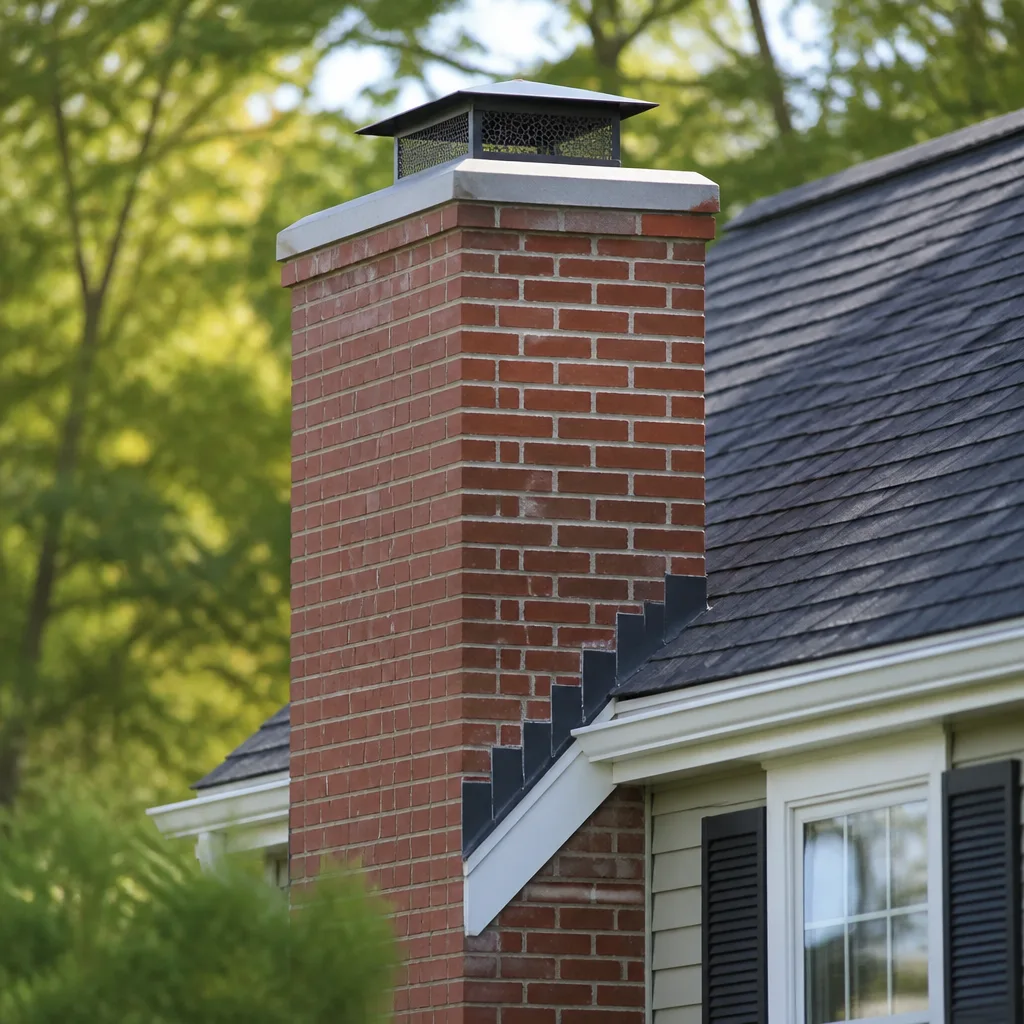 Masonry repair
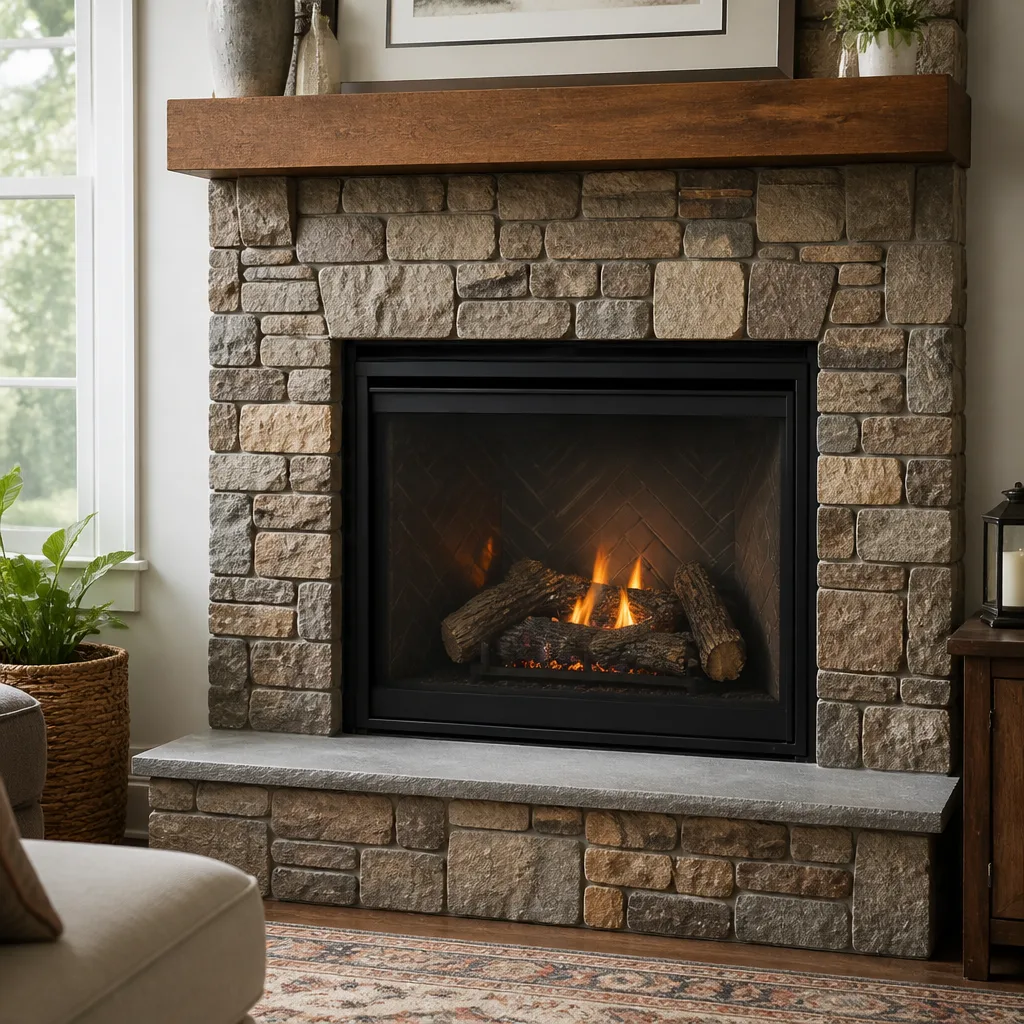 Gas fireplace service
Level 1 sweep and inspection to the NFPA 211 annual standard - flue, crown, cap, and flashing checked and photographed
Chimney sweep logs do not sweep chimneys. They loosen some creosote - which then falls where a brush and vacuum still have to collect it.
Chimney Cleaning Permits, Codes & Inspections in Cape Coral, FL: What You Need to Know
Here’s the part of chimney work that surprises people most: the cleaning itself almost never needs a permit. A routine sweep is maintenance. But the moment a repair touches the liner, the firebox masonry, or the venting on a gas insert, the job crosses into territory that Florida Building Code and the City of Cape Coral regulate. Homeowners tend to find this out at the worst possible moment, usually when a buyer’s inspector flags unpermitted work during a home sale, or when a code notice arrives after a neighbor’s complaint. This guide walks through where the line sits, which jobs pull permits and which don’t, what a Level 2 inspection actually is, and how to confirm your contractor is doing the paperwork correctly in Cape Coral.
Quick Answer
Routine chimney cleaning in Cape Coral doesn’t require a permit, but repairs that alter the liner, firebox masonry, or gas venting usually do under Florida Building Code Section 10 and Lee County permitting rules. A Level 2 inspection is code-required for real estate transactions and after any event that may have damaged the chimney, and it typically costs more than a standard sweep because it includes a camera scan of the flue. Verifying that your contractor pulls the right permits is the homeowner’s job, and skipping that step can surface as a problem years later.
Styles & brands we work with
- Sweep & inspection
- Caps & crowns
- Flue relining
- Masonry repair
- Gas fireplace service
Table of Contents
- Do You Need a Permit for Chimney Cleaning in Cape Coral?
- Florida Building Code Section 10 and Chimney Alterations
- Lee County Permit Thresholds: What Pulls and What Doesn’t
- What a Level 2 Inspection Is and When It’s Required
- How to Verify Your Contractor Is Pulling Permits
- Gas Fireplace and Insert Venting: Stricter Rules
- What Unpermitted Chimney Work Costs You Later
- What a Code-Compliant Chimney Job Looks Like, Step by Step
Do You Need a Permit for Chimney Cleaning in Cape Coral?
No. A standard chimney cleaning in Cape Coral does not require a permit. Sweeping removes creosote, soot, and debris from the flue and firebox. It’s classified as maintenance, and maintenance on an existing, unaltered system is exempt from permitting in Lee County. The same is true for a Level 1 inspection, the visual check that comes with most annual sweeps, and for installing or replacing a chimney cap on an existing flue.
The picture changes as soon as the work involves altering the system rather than maintaining it. Here’s a quick rule of thumb for Cape Coral homeowners:
- No permit typically needed: routine sweeping, Level 1 inspection, cap replacement, minor firebox cleaning, damper lubrication or adjustment.
- Permit usually required: liner replacement or relining, firebox rebuild or masonry repair, chase cover replacement that involves structural fastening, flue resizing, converting a wood-burning fireplace to gas, and any modification to the venting on a gas appliance.
- Ask before you assume: a repair that sounds minor but touches the liner or the venting may still cross the threshold. The safest habit is to check with the city’s building department before work starts.
The reason this matters in Cape Coral is that much of the housing stock is relatively recent, and a lot of fireplaces and inserts were installed by builders rather than chimney specialists. When a repair surfaces on a system like that, it’s often a repair to something that was installed under a permit the original owner never saw. Knowing whether a permit was pulled for the original installation tells you a lot about how the repair should be handled now.
Florida Building Code Section 10 and Chimney Alterations
Florida Building Code Section 10 is the chapter that governs chimneys and venting systems. It covers how a chimney must be constructed, how flues must be sized, what clearances are required to combustibles, and, most relevant to homeowners, what counts as an alteration that requires a permit. When a repair changes the flue’s material, its dimensions, or the way a solid-fuel or gas appliance vents, Section 10 applies, and the work needs to be permitted and inspected.
What Section 10 practically means for a Cape Coral homeowner:
- Liner replacements are alterations. Installing a new stainless liner changes the flue’s interior surface and often its effective size. That’s a permit-level job, not maintenance. When we install a DuraFlex flexible liner to handle an offset flue, the install is documented and inspected because the flue’s performance characteristics have changed.
- Firebox masonry repairs are structural. Rebuilding firebox brick, replacing refractory panels, or repairing a cracked chimney crown are structural repairs. They fall under Section 10 and require a permit.
- Venting changes on gas appliances are regulated. Any change to how a gas insert or gas log set vents is treated more strictly than a wood-burning change, because the byproducts are different and the failure modes are different.
- Clearances must be maintained. A repair that closes a clearance to combustible material, even slightly, is a code issue regardless of whether a permit was technically pulled.
In our experience, most Cape Coral chimney work that gets flagged later wasn’t done badly, it was done without the paperwork. A liner installed correctly but without a permit is still an unpermitted liner. That’s why the paperwork is part of the job, not an add-on.
Lee County Permit Thresholds: What Pulls and What Doesn’t
Lee County and the City of Cape Coral share a permitting framework, but the practical list of what does and doesn’t pull a permit comes down to a single question: does the work alter the chimney or venting system, or does it simply maintain it? The list below is the working version we use when we scope a job, and it matches how the local building department classifies these repairs.
- Alteration (permit required): relining a flue, installing a new liner where none existed, replacing a damaged liner, rebuilding firebox masonry, replacing a chimney crown, installing a new chase cover, converting a fireplace to gas, installing a new gas insert with new venting, resizing a flue, and adding or removing a chimney section.
- Maintenance (no permit): sweeping, Level 1 inspection, Level 2 inspection, cap installation on an existing flue, damper repair, minor mortar repointing that doesn’t change the structure, and cleaning of a gas log set.
- Gray zone (ask the building department): replacing a damaged cap that involves removing part of the chase, repairing a small crack in a crown versus replacing the crown, and resealing around a flue penetration.
Two details trip people up in Cape Coral specifically. First, gas appliance work is nearly always treated as a permit job regardless of how small the repair looks, because the venting is what carries carbon monoxide out of the home. Second, work done inside a newer home is not automatically exempt. A repair on a system installed recently still needs its own permit if it alters the system.
When we scope a job that might need a permit, we say so up front and handle the paperwork. That’s part of what a specialist does, and it saves the homeowner from discovering the problem later.
What a Level 2 Inspection Is and When It’s Required
A Level 2 inspection is a more thorough chimney inspection than the visual Level 1 check that comes with a standard sweep. It includes a camera scan of the flue, an examination of accessible portions of the chimney exterior and interior, and a written report with photos. In Cape Coral, a Level 2 inspection is code-required in specific situations, and it’s the level of inspection most real estate transactions and insurance reviews ask for.
When a Level 2 inspection is required or strongly recommended:
- Before a home sale. Buyers, lenders, and insurers commonly require a Level 2 inspection on any home with a fireplace or solid-fuel appliance. If you’re selling a Cape Coral home and the buyer’s inspector can’t confirm the chimney’s condition, the sale can get delayed.
- After any exterior event that may have affected the chimney. That includes a storm, a nearby lightning strike, or any event that could have cracked masonry or displaced a cap. In Florida, storm events are common enough that a Level 2 is the sensible response whenever something has hit the roof.
- After a chimney fire. Even a small chimney fire can damage the liner. A Level 2 is the only way to see that damage.
- After any change to the system. A new appliance, a change in fuel type, or a liner replacement calls for a Level 2 inspection afterward.
- When you’ve just bought the home. If you don’t know the chimney’s history, a Level 2 is the honest starting point. It’s also the right time to have one done so you have a baseline report.
A Level 2 inspection in Cape Coral typically costs more than a standard sweep, because of the camera work and the written report. The report matters most, because it’s the document a buyer, lender, or insurer will read. We include a camera inspection and photo report with our Level 2 work, so the findings are something you can see and share, not something you have to take on faith.
How to Verify Your Contractor Is Pulling Permits
Most homeowners assume the contractor is handling permits. In practice, some do and some don’t. The difference shows up in three places: the contractor’s written scope, the permit record on file with the city, and the inspection sign-off that follows the work. Here’s how to confirm all three before you approve a job.
- Ask for the allow number before work starts. A permit has an allow number in Cape Coral’s permit system. The contractor should be able to give you that number on the day the job begins. If they can’t, the permit probably isn’t pulled.
- Confirm the scope on the permit matches the job. A permit for “liner replacement” is different from a permit for “chimney repair.” If the scope doesn’t match, the permit won’t cover what’s actually being done.
- Ask whether the job will be inspected. A permit-level job is followed by an inspection from the city or county. Ask when that inspection is expected and who schedules it.
- Check the permit record after the job. Cape Coral’s permit records are searchable. After the work is finished, confirm the permit shows as closed and inspected, not open or expired.
- Keep the paperwork. If you ever sell the home, having the permit record on file is the single most useful document you can hand a buyer.
If a contractor suggests skipping the permit to save time or money, that’s the moment to walk away. The savings are the contractor’s. The risk is yours, and it surfaces when you least want it to.
Gas Fireplace and Insert Venting: Stricter Rules
Gas fireplace and insert venting in Cape Coral is regulated more strictly than wood-burning venting, and the reason is straightforward: the failure mode is invisible. A wood-burning chimney that’s venting poorly shows you smoke, odor, and draft problems. A gas appliance with a venting defect can send carbon monoxide into the home with no warning at all. That’s why the code treats any change to gas venting as a permit-level job and why the inspection requirements are more rigorous.
What that means for a homeowner with a gas insert or gas log set:
- Any venting change is a permit job. Installing a new insert, replacing a vent section, changing vent length or configuration, or converting from natural draft to direct vent all require a permit and an inspection.
- Clearances on gas appliances are checked more closely. The clearances to combustibles on gas appliances are smaller in some configurations than on wood-burning systems, and inspectors look at them more carefully because the margin for error is tighter.
- Carbon monoxide is the concern behind the rules. The permitting and inspection process on a gas appliance exists to confirm the appliance is venting correctly. That’s also why a Level 2 inspection after any gas work is the right habit.
- Wood-to-gas conversions are the most heavily regulated. Changing a wood-burning fireplace to a gas insert isn’t a swap. It’s a modification of the venting system, and it’s treated as such.
We install gas venting systems using components from Olympia Chimney and Gelco, so the venting meets the manufacturer’s requirements for the appliance it’s connected to. That matters at inspection, and it matters afterward. The right parts make the difference between a venting system that’s code-compliant and one that only looks good.
What Unpermitted Chimney Work Costs You Later
Unpermitted chimney work is a paperwork problem that surfaces at the worst time. A home sale, a refinance, an insurance review, or a code notice is where it turns up. Each of those moments puts the cost back on the homeowner, not the contractor who did the work.
The specific ways it shows up in Cape Coral:
- Home sale delays. A buyer’s inspector who finds a liner with no permit record will flag it. That can stall a closing until the work is re-permitted and inspected, and it can cost more to re-permit after the fact than to pull the permit the first time.
- Insurance complications. Insurers reviewing a claim on a chimney-related fire may ask for the permit record on recent work. A missing record can complicate the claim.
- Code violation notices. If a repair was permitted incorrectly or not at all, the city can cite the work. That’s not a scare story; it’s how permitting works. The homeowner is the one who receives the notice, because they own the property.
- Inspection failures on later work. A contractor inspecting the chimney later, or a buyer’s inspector, will find and flag the unpermitted repair. The next legitimate repair then has to account for the earlier problem.
- Necessary rework. When an unpermitted repair needs to be brought into compliance, the homeowner often pays to redo work that was done but not properly documented.
None of this is about catching contractors. It’s about the fact that the permit record is the only durable evidence the work was done, inspected, and signed off. In Cape Coral, that record is what a buyer, lender, or insurer will actually see.
What a Code-Compliant Chimney Job Looks Like, Step by Step
Here’s the typical sequence for a permitted chimney repair in Cape Coral, in order. It’s also the sequence a homeowner should be able to recite back to their contractor: if any step is missing, the job is not what it should be.
- Inspection first. Before any repair is scoped, an inspection confirms what’s actually needed. A Level 1 inspection is enough for a simple sweep. A Level 2 is needed when the work involves the liner or when a camera scan is called for.
- Written scope and estimate. The estimate should state whether the job is a permit job, and, if so, who pulls the permit.
- Permit pulled before work starts. The contractor pulls the permit and gives the homeowner the allow number. Work does not begin until the permit is active.
- Manufacturer-grade materials selected. For liner work, the right product for the flue is a decision, not a default. A HeatShield-restored flue, a DuraFlex flexible liner, and a rigid liner are three different answers for three different flues.
- Installation with the correct materials. The install follows the manufacturer’s requirements for the product. That’s the paper trail an inspector will check.
- Inspection by the city or county. The inspector confirms the work matches the permit and meets code. Depending on the job, this may happen once or in stages.
- Permit closed and photo report delivered. After the job, the permit record shows as closed and the homeowner keeps the report and the permit documents.
When we quote a chimney repair in Cape Coral, we tell you on the first call whether the work is a permit job and who is responsible for pulling it. It’s not the most glamorous part of the conversation, but it’s the part that protects you when a buyer’s inspector or an insurer asks questions later.
For the full scope of what we do, see Cape Coral Chimney Sweep, and for the cleaning side specifically, see our chimney sweep service. The repair side of the work, including liner and firebox work, is covered on our chimney repair page, and you can read more about our service area on the Cape Coral page.
Common Mistakes to Avoid
- Assuming “repair” and “cleaning” are the same for permitting purposes. They’re not. A sweep is maintenance. A repair that touches the liner or firebox is a permit job. Treating them the same is the mistake that surfaces a year later.
- Letting a contractor skip the permit to save time. A contractor who suggests skipping the permit is protecting their schedule, not your home. The unpermitted work sits on your record, not theirs.
- Taking a verbal assurance that a permit was pulled. Ask for the allow number in writing. A verbal assurance isn’t a permit.
- Not asking about gas venting separately. In Cape Coral, gas insert and gas log work is regulated more strictly than wood-burning work. A contractor who treats them the same is a sign to ask more questions.
- Skipping a Level 2 inspection on a home you just bought. A home recently purchased with a fireplace or insert should get a Level 2 inspection, because the permit history is often unknown and the chimney’s condition hasn’t been documented.
- Not keeping the permit and inspection paperwork. If you ever sell, that file is the difference between a clean closing and a delay.
- Assuming a newer home doesn’t need a permit for a repair. A repair on a system installed recently is still a permit job if it alters the system. Cape Coral homes aren’t exempt from the code just because they’re new construction.
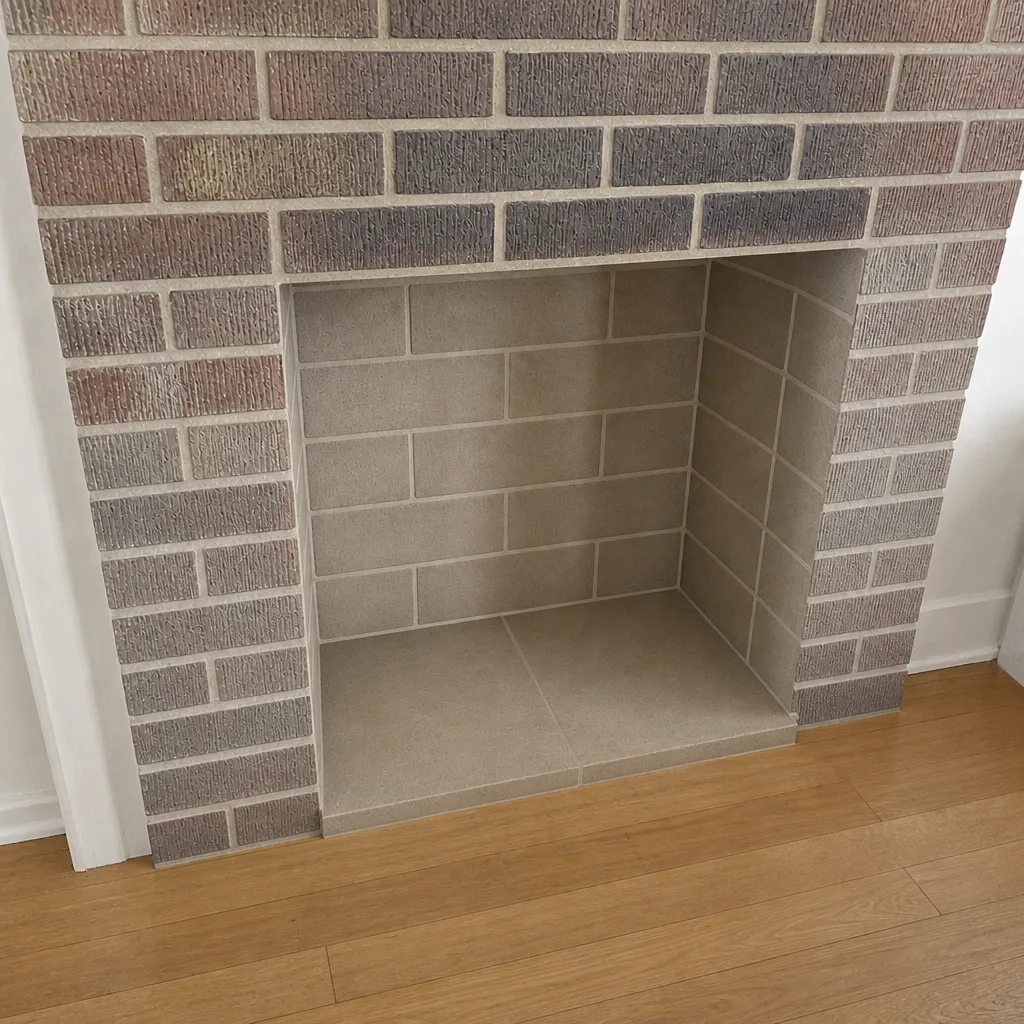
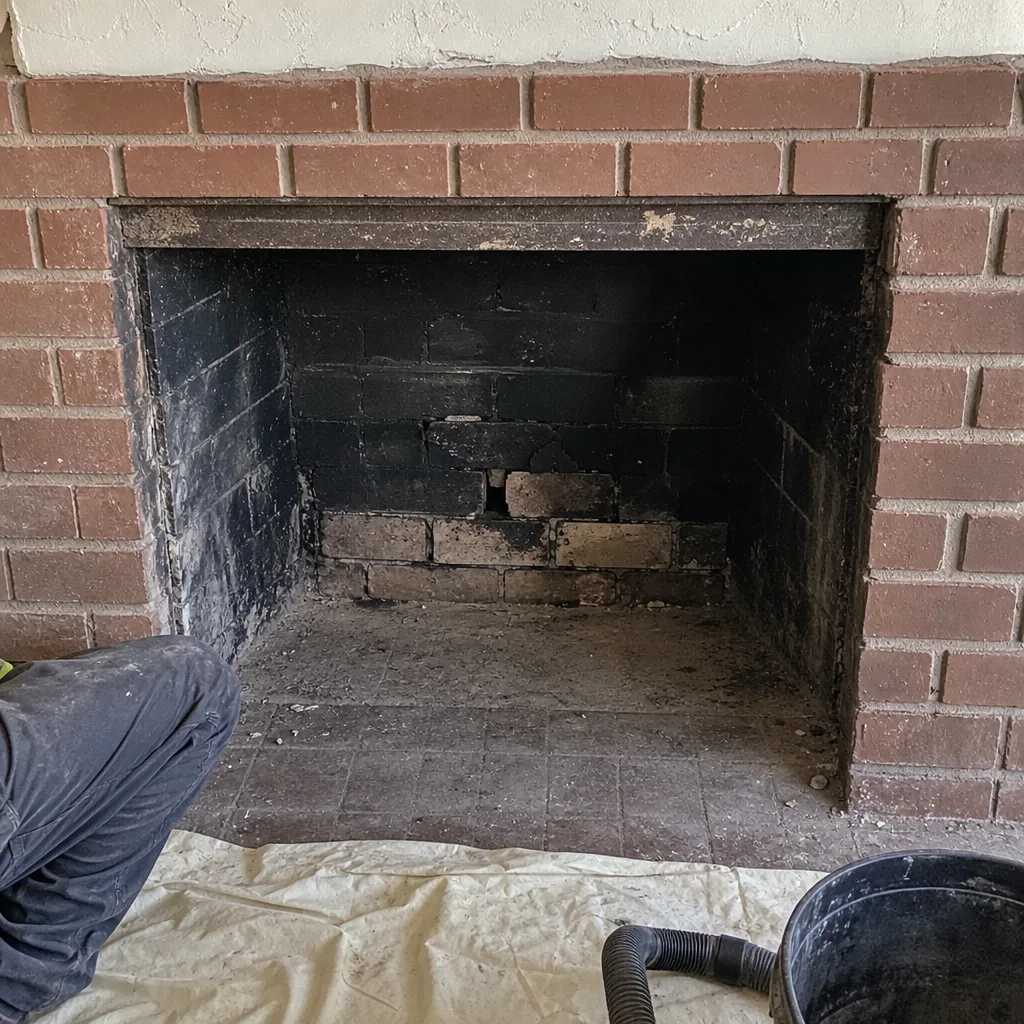
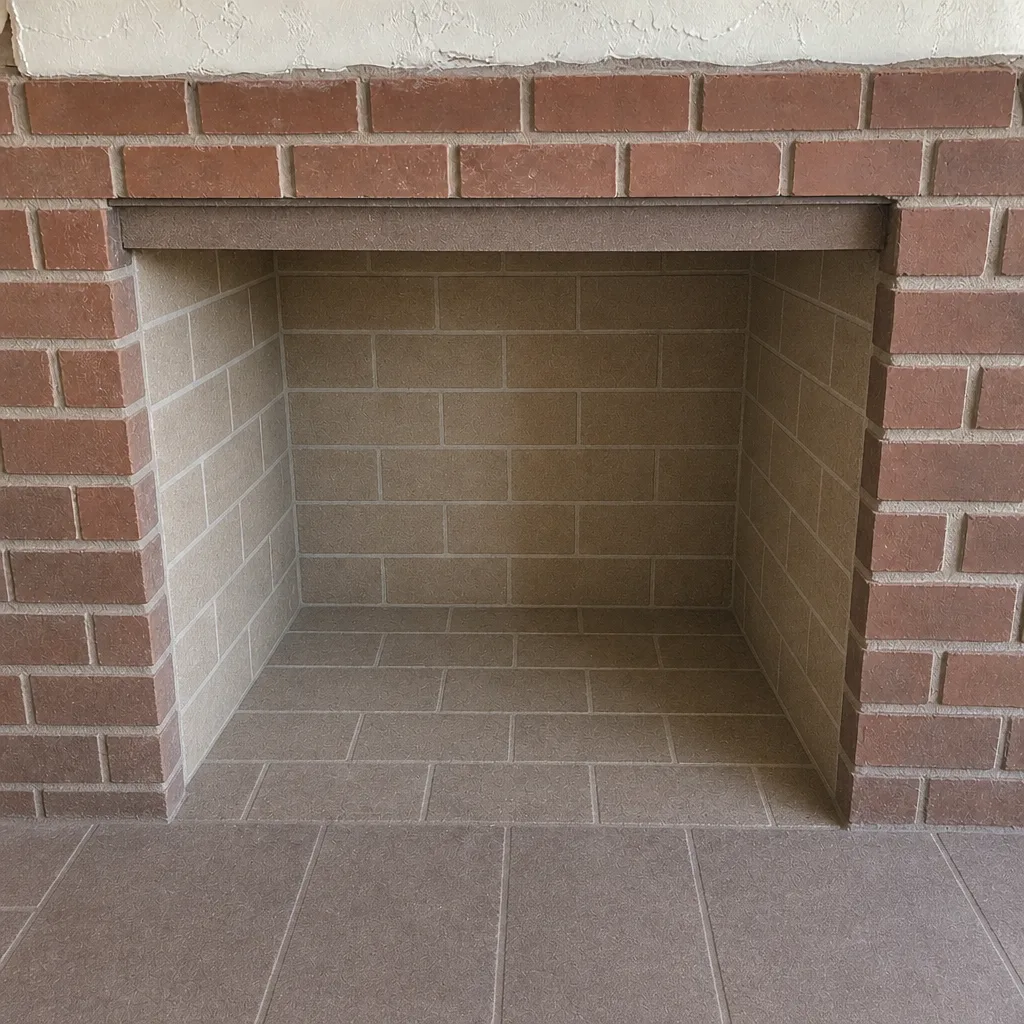
See the difference
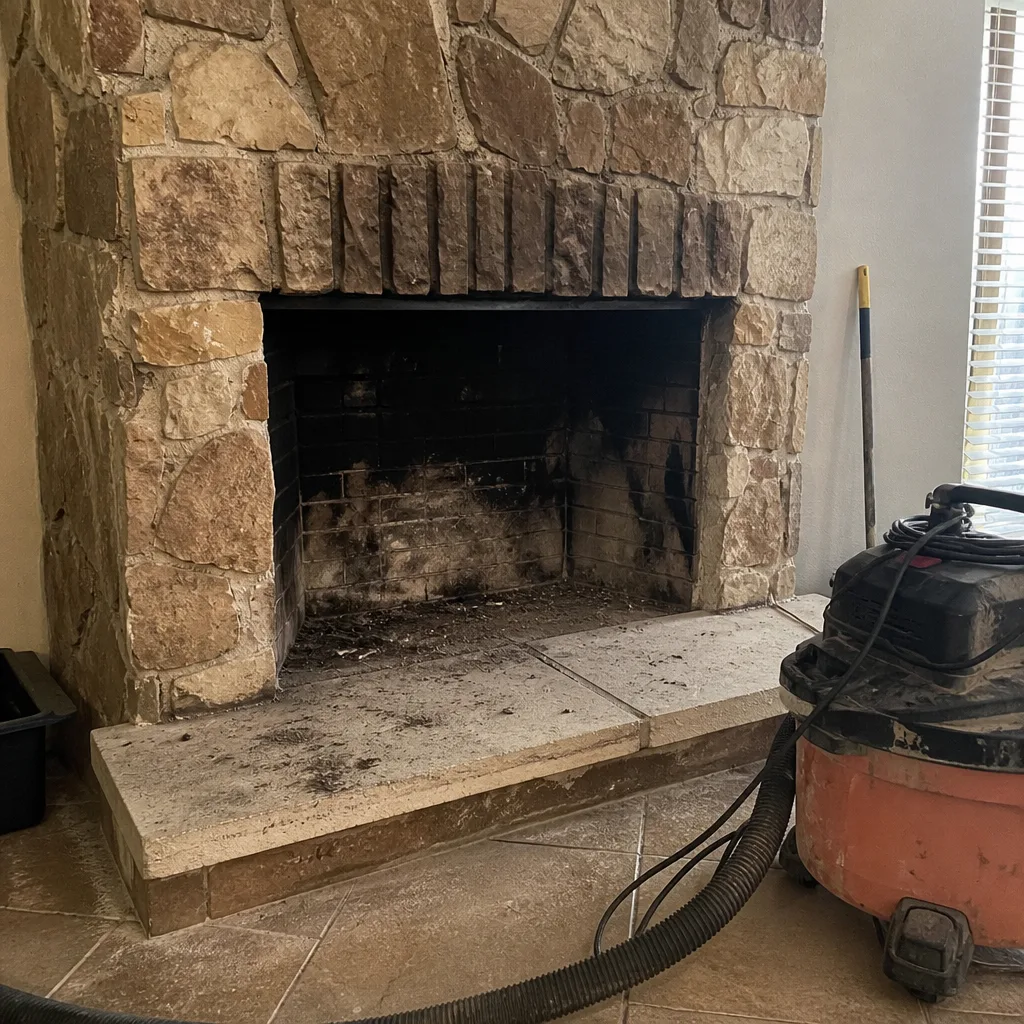 Before
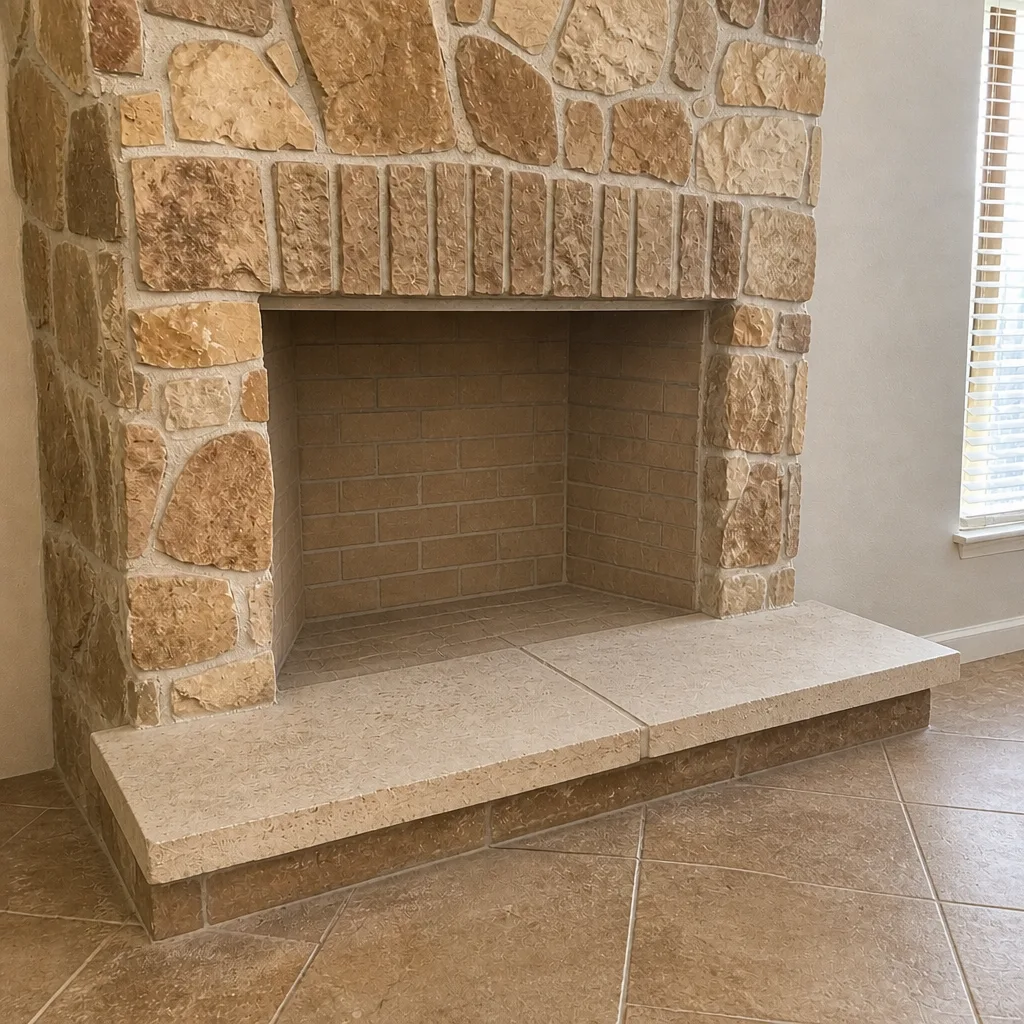 After
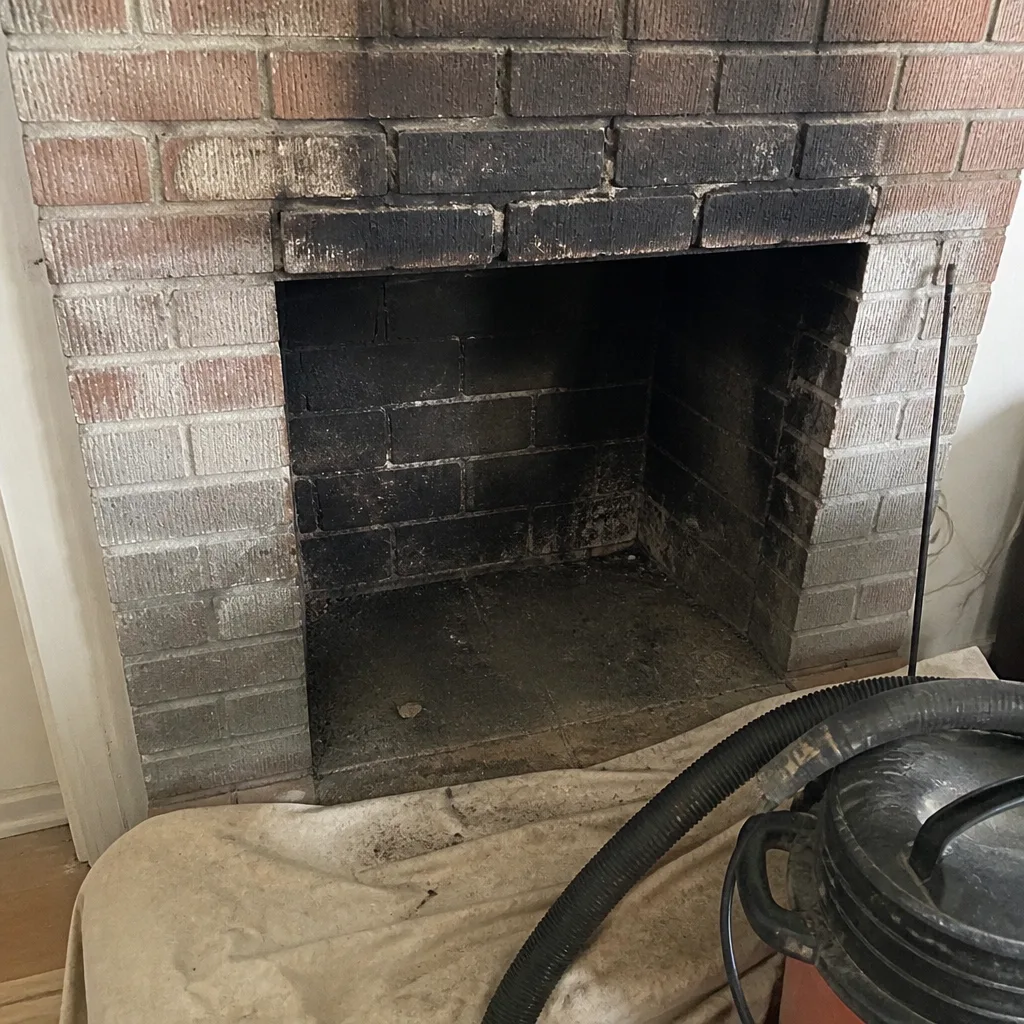 Before
 After
 Before
 After
When to Call a Professional
Call a chimney professional when the work is more than a routine sweep: a liner that needs replacing, a firebox that needs masonry work, a gas insert whose venting needs attention, or any repair where you’re not sure whether a permit is required. Call us as well if you’re within 30 days of a home sale and don’t have a Level 2 inspection report on file, or if a storm has passed through and you haven’t had the chimney looked at since. Cape Coral Chimney Sweep offers free estimates in Cape Coral. Call (888) 247-9034. Our technicians have up to 9 years of experience, and we work on chimneys exclusively, so the question of what the code requires for your job is one we answer every week. Call (888) 247-9034. We answer 24/7. Fast dispatch from 7am to 7pm, Sunday through Friday.
Frequently Asked Questions
No. Routine chimney cleaning in Cape Coral is maintenance, not an alteration, so it doesn’t require a permit. The same holds for a Level 1 or Level 2 inspection and for a chimney cap replacement on an existing flue. Permits come into play only when the work alters the system: liner replacement, firebox masonry, or any change to gas venting. Call (888) 247-9034 for an exact quote on a sweep or inspection; estimates are free.
A permit is triggered when the work alters the chimney or venting system rather than maintaining it. Liner replacement, firebox rebuilds, crown replacement, chase cover installation, wood-to-gas conversions, and new gas insert venting all trigger permits. Sweeping, inspections, cap replacement on an existing flue, and damper repair generally do not. If you’re not sure, the honest answer is to ask the building department before work begins. Call (888) 247-9034 and we’ll tell you on the first call which category your job falls into.
You need a Level 2 inspection if you’re selling the home, if you’ve recently purchased it, if a chimney fire has occurred, if the chimney has been hit by a storm, or if the system has been altered since its last inspection. A Level 2 includes a camera scan of the flue and a written photo report, which is why it costs more than a standard sweep. Call (888) 247-9034 for an exact quote; estimates are free.
A chimney should be swept when the flue has accumulated roughly an eighth-inch of creosote, which for a typical homeowner using a wood-burning fireplace works out to about once a year. Gas appliances need inspection on the same annual rhythm, though the cleaning burden is lower. Schedule a sweep before the cooler months when you start burning again. Call (888) 247-9034 to book a sweep or a free estimate.
Skipping the sweep lets creosote accumulate to the point where a chimney fire becomes possible; creosote is the fuel those fires feed on. Skipping the permit leaves the repair unrecorded, which can delay a home sale, complicate an insurance review, or result in a code violation notice. Both are fixable, but both cost more to fix later than to do correctly now. Call (888) 247-9034 for an exact quote; estimates are free.
Yes. Gas fireplace and gas insert venting is regulated more strictly because the failure mode is carbon monoxide, which has no visible or smellable warning. Any change to gas venting is a permit job, and the inspection requirements are more rigorous. Wood-burning venting is also regulated, but the code treats gas changes with more scrutiny. Call (888) 247-9034 if you’re unsure which category your gas appliance work falls into.
The Bottom Line
Routine chimney cleaning in Cape Coral doesn’t require a permit, but repairs that alter the liner, firebox masonry, or gas venting do. Florida Building Code Section 10 and Lee County’s permit rules draw that line, and a Level 2 inspection is the right starting point whenever you’re selling, buying, or unsure about the system’s history. Verifying that your contractor pulls the permit and closes it out is your responsibility, and it’s the single most useful thing you can do to protect your home’s paperwork for a future sale. If it’s unclear which side of the line your job sits on, call and ask. We answer 24/7. Fast dispatch from 7am to 7pm, Sunday through Friday.
Call (888) 247-9034 for a free estimate. Cape Coral Chimney Sweep offers inspection, cleaning, and repair as a single-source specialist, using materials from manufacturer-grade brands so the work holds up and the paperwork matches the job. That’s what a chimney-only specialist is for.
Written by the team at Cape Coral Chimney Sweep.