
Last updated November 15, 2026
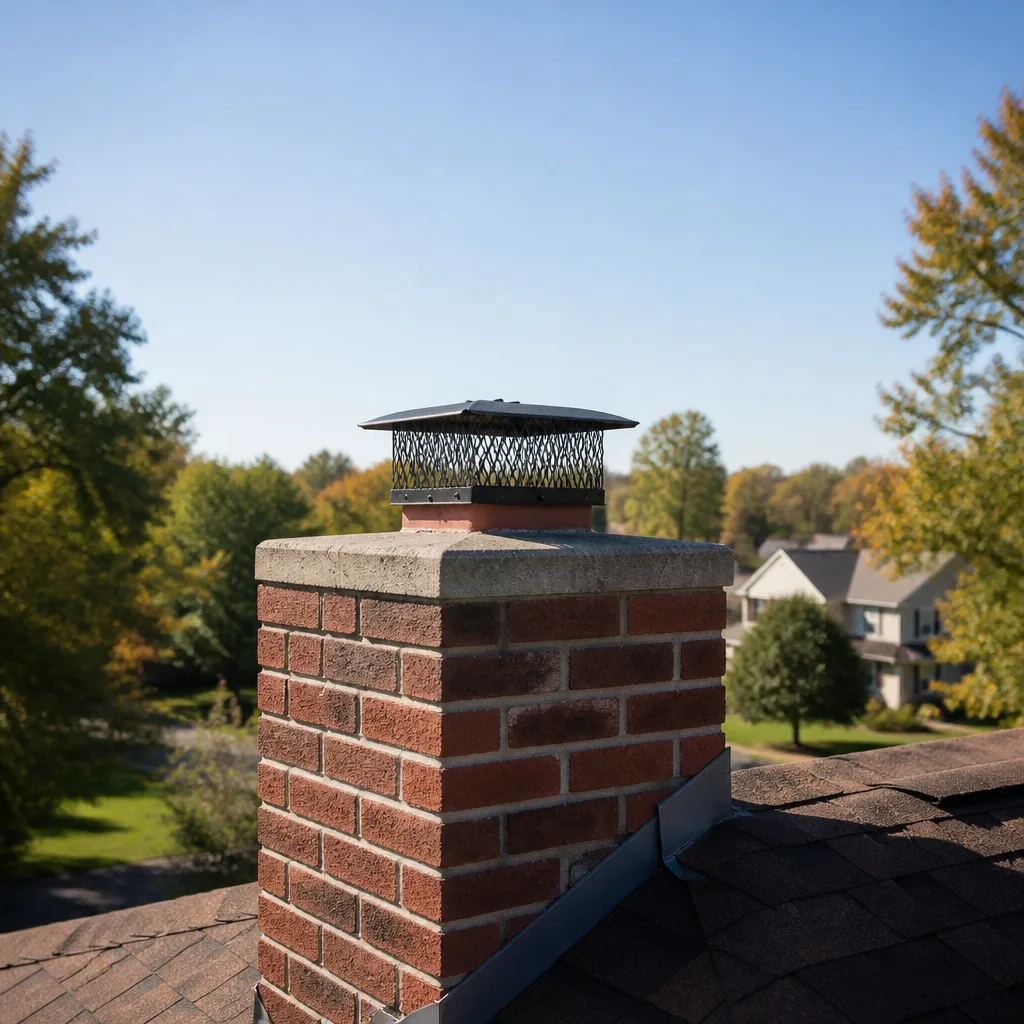 Sweep & inspection
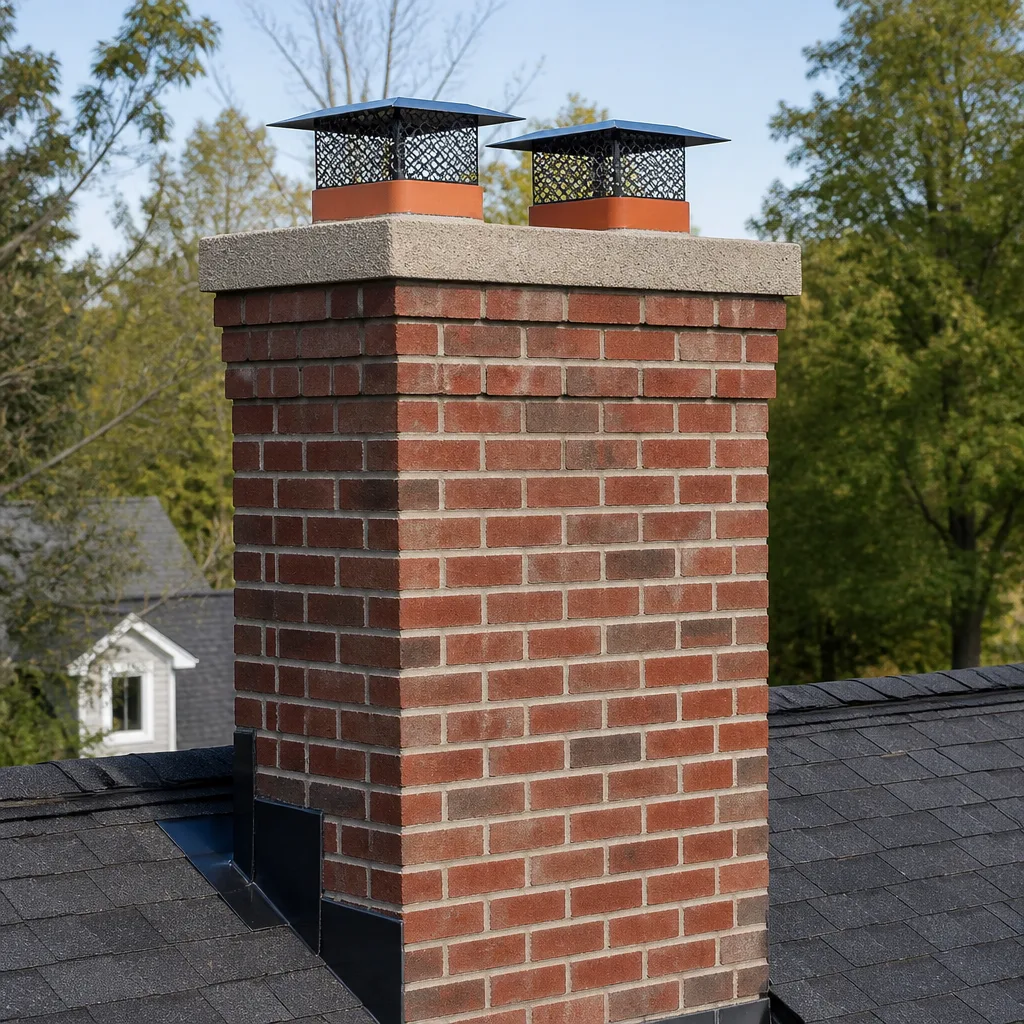 Caps & crowns
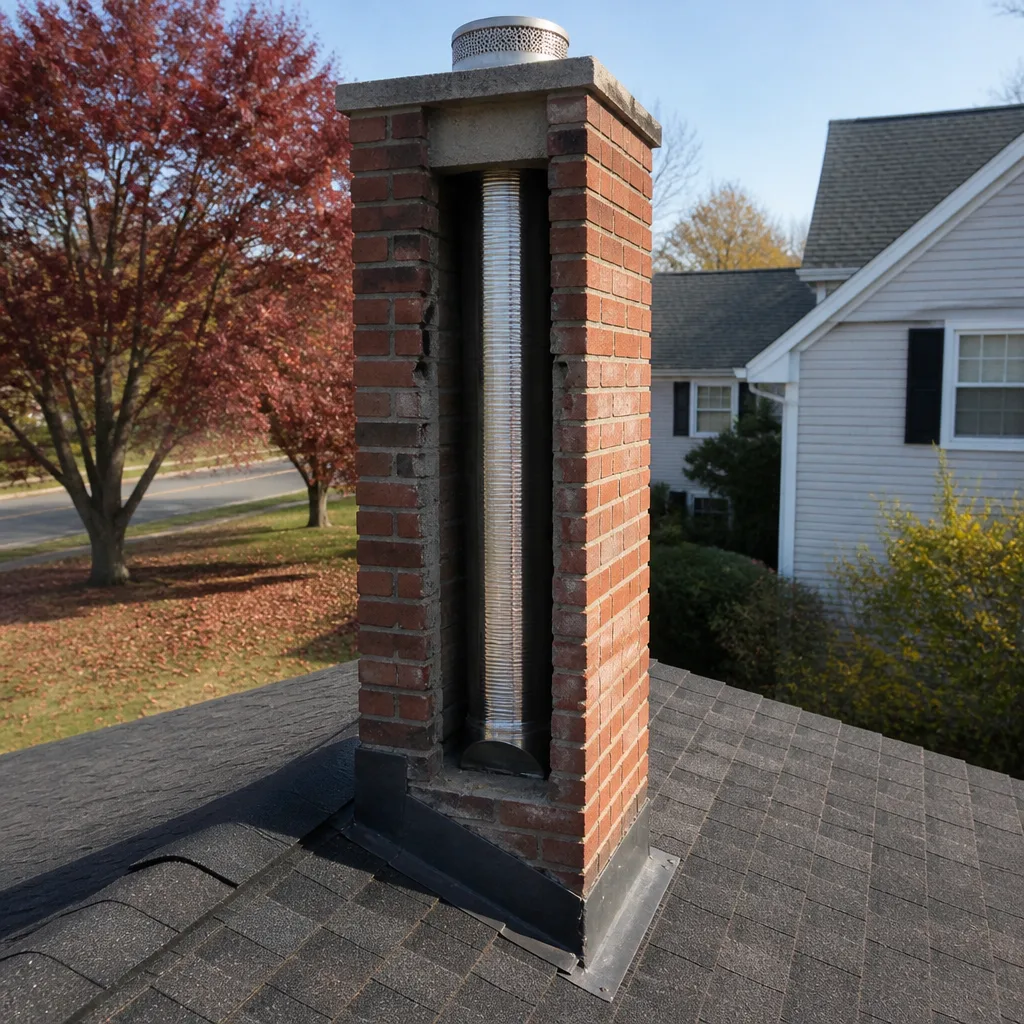 Flue relining
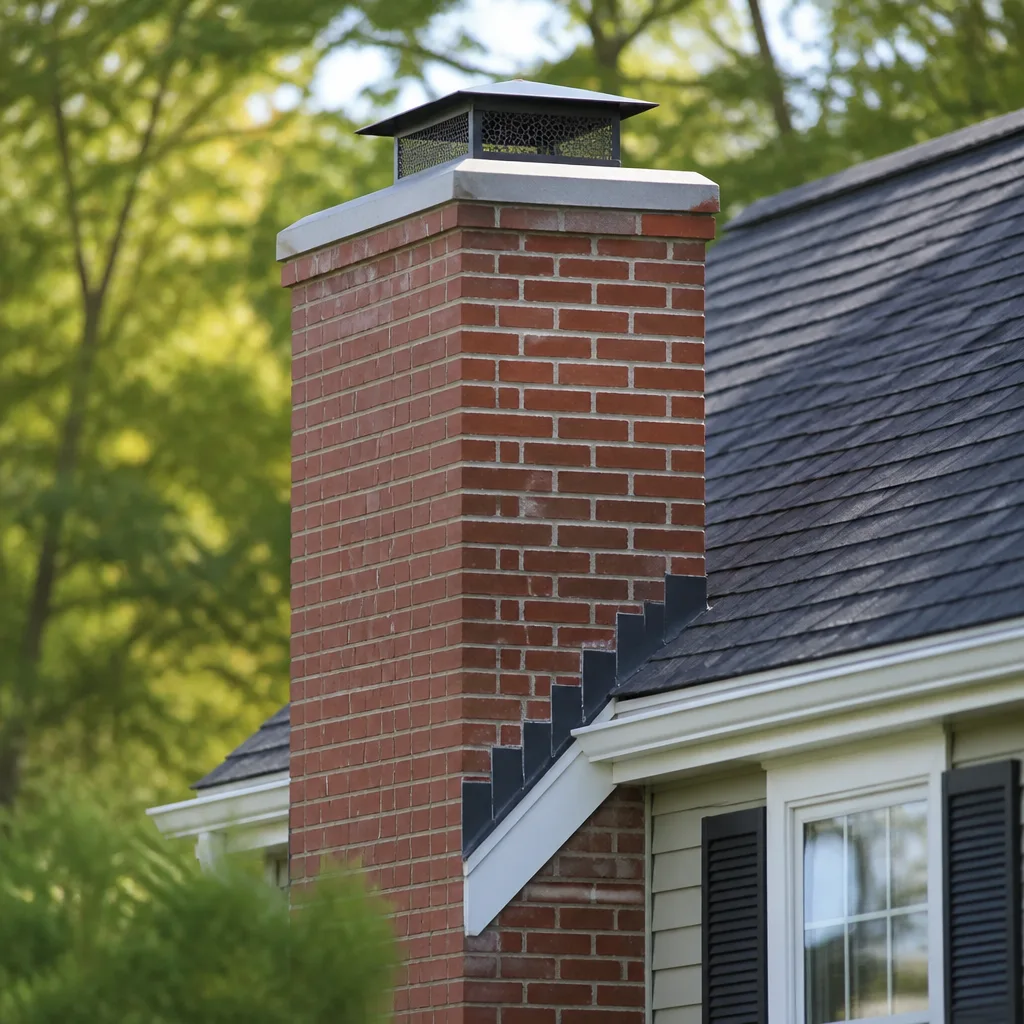 Masonry repair
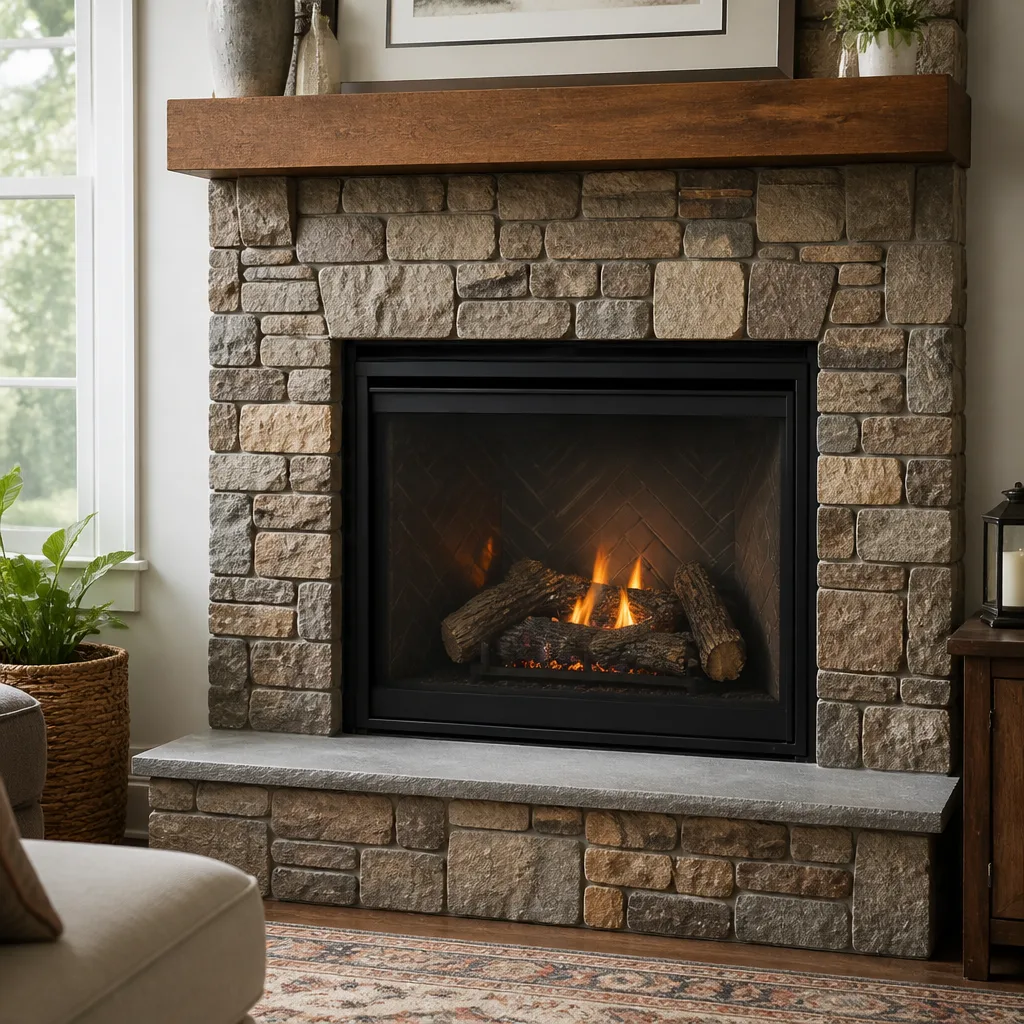 Gas fireplace service
Level 1 sweep and inspection to the NFPA 211 annual standard - flue, crown, cap, and flashing checked and photographed
Chimney sweep logs do not sweep chimneys. They loosen some creosote - which then falls where a brush and vacuum still have to collect it.
How to Hire a Chimney Cleaning Contractor in Cape Coral: A Step-by-Step Guide
A chimney sweep is easy to hire and surprisingly hard to hire well. Cape Coral has no shortage of people willing to show up with a brush, a ladder, and a price that sounds reasonable until you learn what wasn’t checked. Here’s the part most homeowners never hear: the CSIA certification that separates a real chimney technician from a guy with a truck requires actual coursework and a proctored exam. Ask about it early in the conversation and pay attention to how the answer changes.
This guide walks you through the vetting questions, the certifications worth requiring, the Florida-specific red flags, and how to compare written quotes line by line. You’ll finish knowing exactly what to ask, what to check, and what to walk away from.
Quick Answer
Hire a chimney contractor in Cape Coral by verifying three things before you schedule: current CSIA certification (the industry standard for chimney sweeps), general liability and workers’ compensation insurance specific to chimney work, and a written scope of work that itemizes the inspection, the cleaning, and any recommended repairs separately. Ask for the certificate and the insurance certificate directly. A contractor who hesitates on any of these three is not the one to hire, no matter how reasonable the price sounds.
Styles & brands we work with
- Sweep & inspection
- Caps & crowns
- Flue relining
- Masonry repair
- Gas fireplace service
Table of Contents
- Which Certifications Should You Require?
- The Five Questions to Ask Before Scheduling
- Red Flags Unique to the Cape Coral Market
- Why a Chimney-Only Company’s Diagnostics Differ
- How to Compare Written Quotes Apples-to-Apples
- Understanding the Three Levels of Chimney Inspection
- What Cape Coral’s Climate Means for Your Chimney
- How Often Do You Actually Need a Sweep?
Which Certifications Should You Require?
Require CSIA certification as your baseline for any chimney sweep you hire. The Chimney Safety Institute of America is the recognized certifying body for the trade, and the credential requires real coursework, an exam, and continuing education to maintain. The National Fireplace Institute (NFI) is a separate credential that covers hearth appliances, gas, wood, and pellet, and it matters most when an installation or a gas appliance inspection is part of the job. Both are relevant, but CSIA is the one to verify first for a sweep.
Here’s what each credential actually covers, since the labels on a website can be vague:
- CSIA Certified Chimney Sweep: Covers chimney inspection, sweeping technique, venting fundamentals, codes and standards, and the diagnostics behind what a technician finds inside a flue. Requires an exam and ongoing recertification.
- NFI Certified Specialist: Covers installation and service of hearth appliances, including gas inserts, wood stoves, and pellet appliances. The certification is broken into wood, gas, and pellet specialties.
- CSIA Certified Dryer Exhaust Technician: A separate credential for dryer vent work, which is sometimes offered by chimney companies but is not part of chimney sweeping.
To verify, ask for the certificate number, or look the technician up on the CSIA directory. A certified technician will hand the number over without hesitation. A company that claims “equivalent experience” in place of certification is telling you something important: experience without testing is unverified. If you’re comparing that to how a chimney sweep should be vetted, the certification is where the comparison starts, not ends.
The Five Questions to Ask Before Scheduling
Ask these five questions before you book, on the phone, and listen carefully to the answers. They’re designed to separate a trained chimney technician from a generalist who added the service last season. A specialist answers them in under three minutes. A generalist hedges, calls back, or changes the subject.
- Are you CSIA certified, and what’s your certificate number? The number is verifiable. A real certification comes with a pin or card the technician carries. If they say the certificate is “at the office,” ask them to text a photo before they come out.
- Do you carry general liability insurance and workers’ compensation specific to chimney work? Ask for the certificates. General handyman policies often exclude chimney work because of the ladder and roof exposure. A serious chimney contractor carries coverage that specifically anticipates this trade.
- What level of inspection will you perform, and is it included in the sweep price? Most cleaning visits include a Level 1 inspection. A Level 2 inspection, which uses a camera inside the flue, is a separate (and more thorough) service. Get the level in writing before you book.
- What will the written report include? A real chimney contractor leaves you with a report: photos, a description of what was found, a recommendation on what to do next, and an estimate for any repair. If the answer is “we’ll tell you what we found,” ask for a sample report before you book.
- Who actually shows up, and are they on your payroll or subcontractors? Subcontracted labor is common in the Florida home-services market, and it’s the most common source of inconsistent work on chimneys. Ask who performs the sweep and whether that person is directly employed.
For Cape Coral homeowners, the fifth question matters more than it sounds. The local market is full of companies that resell chimney work as one of a dozen services, and the person who shows up is often an independent contractor with a different standard of training than the company they’re representing. That gap shows up in the report, or in the lack of one.
Red Flags Unique to the Cape Coral Market
The chimney contractor market in Southwest Florida differs from colder regions because chimney services here are less seasonal, and the space attracts generalist handymen and pressure-washing companies who add “chimney sweep” to the service list. That’s not automatically a problem, but it does mean the vetting has to be sharper. A few specific patterns are warning signs worth taking seriously.
- “Inspection fee waived with cleaning.” This is a bait-and-switch tactic that shows up in Florida home services generally. If the inspection is genuinely free, it’s separate from the cleaning price. If the cleaning price absorbs it, you’re paying for it somewhere, and the “inspection” often turns out to be a five-minute glance that identifies a liner replacement before any camera work is done.
- The recommended repair arrives before the diagnosis. If the technician recommends a liner replacement or a flue rebuild before they’ve run a camera and shown you the footage, walk away. Inspect first, then quote. Not the other way around.
- No written scope before the work begins. A legitimate contractor gives you a written scope of work with line items, materials, and a price before scheduling. Verbal-only quotes leave you exposed to a bill that grows after the work starts.
- The “uniformed subcontractor.” A branded shirt doesn’t confirm employment. Subcontracting is legal, but a company that subcontracts chimney work and can’t name the technician coming to your home is a company that can’t guarantee the work.
- Rebuild quotes from a company that doesn’t specialize in chimneys. Full chimney rebuilds are a specialty. A generalist who quotes a rebuild is often estimating without the diagnostic depth to know whether a less invasive repair, like a HeatShield flue restoration, would solve the actual problem for a fraction of the cost. When a quote jumps straight to rebuild on a chimney that hasn’t been camera-inspected from the top, ask why.
- Pressure to schedule the repair that day. A real chimney contractor inspects, quotes, and books a return visit. The urgency in this trade is seasonal (before the weather cools enough for regular fireplace use), not “today or the price doubles.”
- No address and no business filing. Florida requires contractors to be licensed and filed with the state. A website with a phone number and nothing else, no address, no license number, no business name that shows up in a search, is a company you can’t hold accountable.
Why a Chimney-Only Company’s Diagnostics Differ
A chimney-only contractor diagnoses differently from a generalist because they see the same problems repeatedly, all year, rather than once in a while between roof and gutter jobs. That difference is not academic: it shows up in what gets found, what gets recommended, and how much the recommendation costs. A generalist sweeps a chimney as one service among many. A specialist has seen how a particular cracked flue tile behaves in Cape Coral’s humid summers, how a cap fails after a few hurricane seasons, and how a wood-burning fireplace that’s rarely used can still have a serious creosote buildup problem.
That diagnostic depth is verifiable before the technician arrives. Here’s how to check:
- Ask what percentage of their business is chimney work. A specialist answers most or all. A generalist answers a fraction and elaborates on other services.
- Ask what equipment they carry for a sweep. A chimney-only company carries chimney-specific tooling (rods, brushes sized to the flue, a heavy-duty vacuum rated for soot) as standard equipment, not as a special order for the day.
- Ask whether they stock liner materials in the sizes your flue would need. A chimney specialist sources liners from brands like DuraFlex, Olympia Chimney, and Gelco, and knows which products fit which flue. A generalist typically orders whatever is cheapest at the time.
- Look at the report from the last sweep. A chimney specialist’s report includes photos and specific findings. A generalist’s report is often a line on an invoice.
- Ask what they do about creosote glazing. A specialist knows the difference between a light dusting, a flaky stage that brushes off, and the hardened glaze that requires a chemical treatment. A generalist often brushes the top layer and calls it done.
For a Cape Coral homeowner who isn’t sure whether they need a specialist, the test is simple: call a chimney repair company that works on chimneys specifically with a question about their last inspection, and see whether the answer covers codes, venting, and product specifics. If it doesn’t, you’re talking to a generalist. This is the practical difference a chimney-only specialist brings: the trade is concentrated into one set of skills rather than split across many.
How to Compare Written Quotes Apples-to-Apples
Comparing chimney quotes requires looking at the line items, not the bottom-line price. A quote that itemizes inspection, cleaning, materials, and labor line by line tells you what you’re paying for. A quote that says “chimney cleaning, $X” doesn’t. The line items are the story.
Here’s what a properly structured chimney quote includes, and what an omission signals:
| Line item | What it should say | What an omission signals |
|---|---|---|
| Inspection level | Level 1, 2, or 3 named explicitly | They won’t commit to what they’ll actually check |
| Camera inspection | Named separately if a Level 2, with footage provided | No video evidence means no way to verify findings |
| Cleaning scope | Flue, firebox, smoke chamber, damper described individually | A single “chimney sweep” line hides what’s not being cleaned |
| Materials by brand | Specific products named (e.g., a HeatShield restoration, a DuraFlex liner, a Gelco cap) | Generic “premium liner” language is how off-brand parts get installed |
| Written estimate validity | A stated validity window (e.g., 30 days) | Open-ended quotes let the price change after inspection |
| Report delivery | Photos and written findings after the work | “We’ll tell you what we found” is not a deliverable |
A quote that omits the inspection level, the camera footage, and the specific materials is impossible to compare against a quote that includes them. The line-item price might be lower, but the scope of work is not equivalent. When you compare quotes, compare line to line and level to level. That’s the only comparison that means anything.
Understanding the Three Levels of Chimney Inspection
Chimney inspections come in three levels, and knowing which one you’re being quoted for is one of the most important parts of hiring a contractor. The levels are defined by the National Fire Protection Association, and the difference is the scope of what gets checked, not the quality of the technician.
- Level 1: A visual inspection of readily accessible parts of the chimney and venting, performed during a routine sweep or annual check. It covers the firebox, damper, and flue from the accessible areas. This is what a standard cleaning visit includes.
- Level 2: A more thorough inspection, including the use of a camera to view the interior of the flue. A Level 2 is required when a homeowner changes the fuel type, after a chimney fire, after an earthquake or severe weather event, or when buying or selling a home. It’s also the inspection to request if you’ve never had one.
- Level 3: An inspection that requires access to concealed areas, potentially including the removal of parts of the chimney or surrounding structure. It’s performed when a Level 1 or Level 2 finds a problem that requires more direct access to diagnose.
For most Cape Coral homeowners, the practical question is: did I get a Level 1 or a Level 2? If a contractor offers a “standard cleaning” without an inspection level named, ask before you book. If they can’t name the level, the inspection probably isn’t happening as its own service. On new-to-you properties, after a storm, or before selling a home in Cape Coral, a Level 2 with camera footage is the right starting point.
What Cape Coral’s Climate Means for Your Chimney
Chimney care in Cape Coral is different from chimney care in colder parts of the country because the fireplace gets less use in a typical winter. That doesn’t mean the chimney needs less attention. It means the problems look different. Long stretches of disuse let creosote and soot settle and dry, and a chimney that sat through a humid summer without a cap sees moisture issues that a seasonally used chimney in a cold climate never experiences.
The Cape Coral housing stock also matters. Many homes have masonry or manufactured fireplace systems that were installed without a proper chimney cap, and the rainy season is capable of driving water into an uncapped flue for months. Water intrusion leads to cracked flue tiles, deteriorated mortar joints, and rust on metal components. By the time a homeowner notices a problem, the repair may be more involved than a cleaning. A camera inspection catches this early. A generalist sweep that doesn’t use a camera can’t.
Barometric pressure swings and seasonal storms also put stress on chimney caps and top-of-flue components. A cap that’s missing or loose lets water in and lets animals in. A specialty chimney contractor checks cap integrity as part of every visit. That’s not a sales technique; it’s the difference between a cleaning that protects the chimney and a cleaning that leaves the actual risk in place.
If your home is one of the many in Cape Coral where the chimney has sat for a season or more without a visit, a sweep and a camera inspection booked ahead of the cooler months is the right move. If you want to know how your chimney is actually performing, a professional Cape Coral specialist can inspect, document, and recommend next steps without pressures.
How Often Do You Actually Need a Sweep?
The standard recommendation is to sweep a chimney once per year, regardless of how often the fireplace is used. That’s the baseline, not a one-size rule. If you burn wood regularly, the count of fires matters more than the calendar, and the recommendation often becomes “after every cord of wood” rather than “once a year.” If you burn only a handful of fires each winter, annual is still the right cadence because the inspection is what protects the chimney, not the cleaning alone.
For gas inserts and gas-log sets, the annual visit is an inspection and appliance check rather than a sweep. Carbon monoxide risk with gas appliances is a real safety concern, and the inspection catches venting issues that a visual look won’t. The appliance needs to be checked even when there’s no soot to remove.
With wood, the question homeowners typically ask is whether the chimney needs sweeping before the next fire. Our answer is inspect first, then decide. A technician who looks inside the flue and shows you the results is making a recommendation you can verify. A company that says “you definitely need a sweep” on the phone is guessing. In Cape Coral, where chimney use is lighter than in cold climates, the annual inspection catches the buildup before it becomes a fire risk and catches water intrusion before it becomes a rebuild.
If you’ve moved into a home in Cape Coral with a chimney you’ve never inspected, or it’s been more than a year since the last visit, book a sweep and inspection before the first fire of the season. The check is routine. The information matters.
Common Mistakes to Avoid
- Hiring on price alone. The lowest quote usually belongs to the contractor who does the least. Ask what the quote includes, and compare scope. A $99 sweep that skips the inspection and the camera is not the same service as a $200 sweep that doesn’t.
- Skipping the insurance certificate. A contractor without general liability and workers’ comp specific to chimney work is a liability you’re accepting when they step on your roof. Ask for the certificate before they arrive. It takes two minutes to send.
- Accepting a liner replacement quote without a camera. A liner is the most expensive common chimney repair, and it’s the most commonly oversold. If the recommendation isn’t backed by camera footage you can watch, get a second opinion before you commit.
- Booking a generalist. The pressure-washing company that added a sweep to its menu last month does not have the trade depth to interpret what’s inside your flue. Look for a chimney-only specialist, and check the certifications.
- Letting the “inspection fee waived” offer anchor the decision. That pricing structure is designed to make the cleaning look free so the recommendation to replace something isn’t challenged. The inspection fee is the reason the inspection happens at a real level. Pay for it separately.
- Ignoring the annual cadence because the fireplace “doesn’t get used much.” In Cape Coral, chimney problems often come from humidity and disuse, not from heavy wood burning. The annual inspection catches both.
- Not asking what brands the quote names. A liner quote that says “premium flexible liner” but doesn’t name a manufacturer is not the same as a quote that specifies DuraFlex, HeatShield, Olympia Chimney, or Gelco. Brand backing matters for material performance and warranty support.
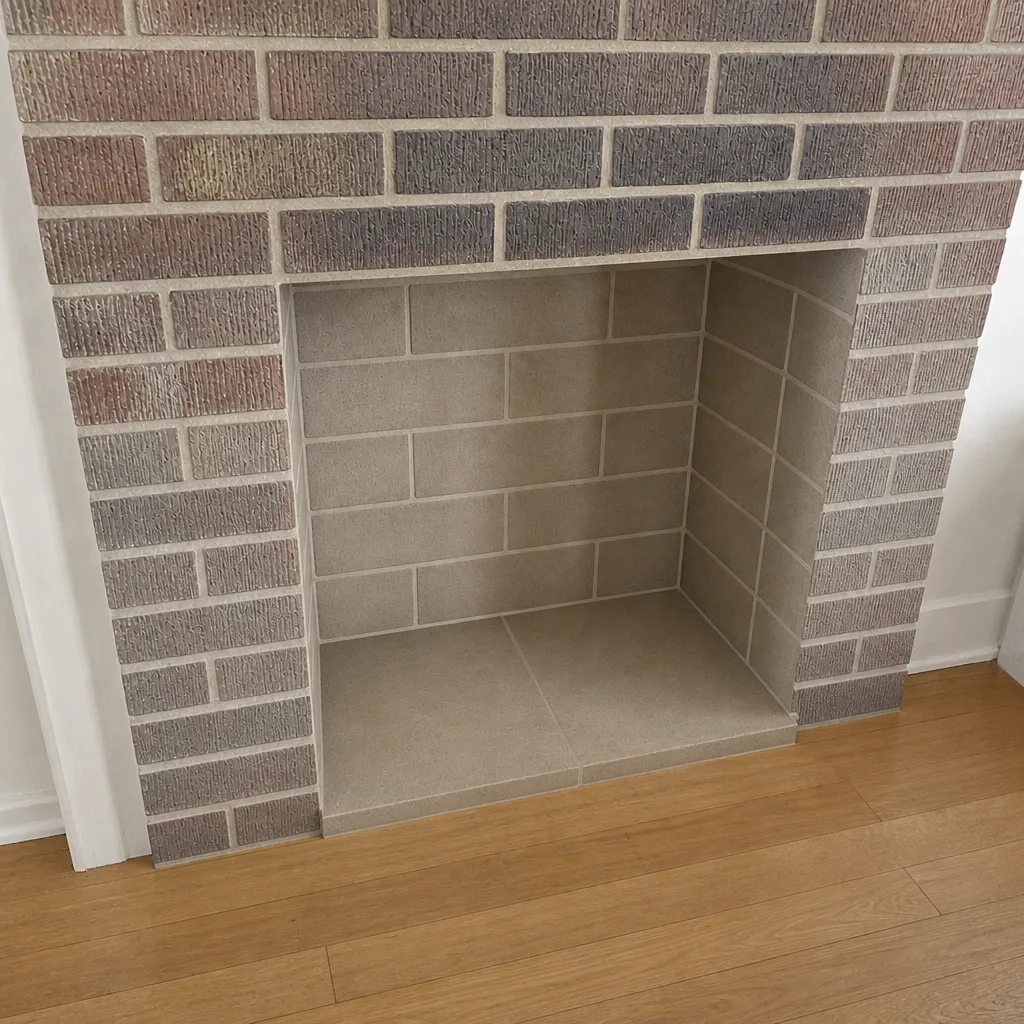
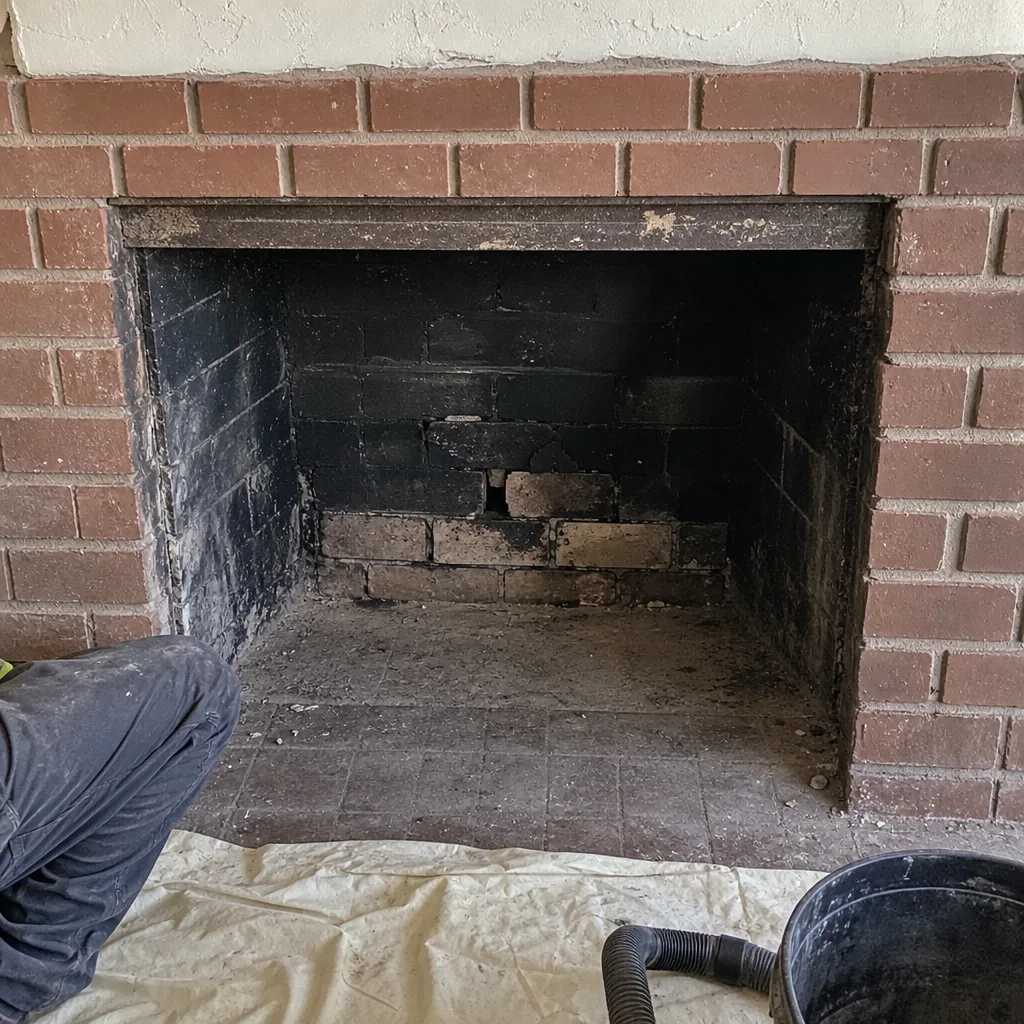
See the difference
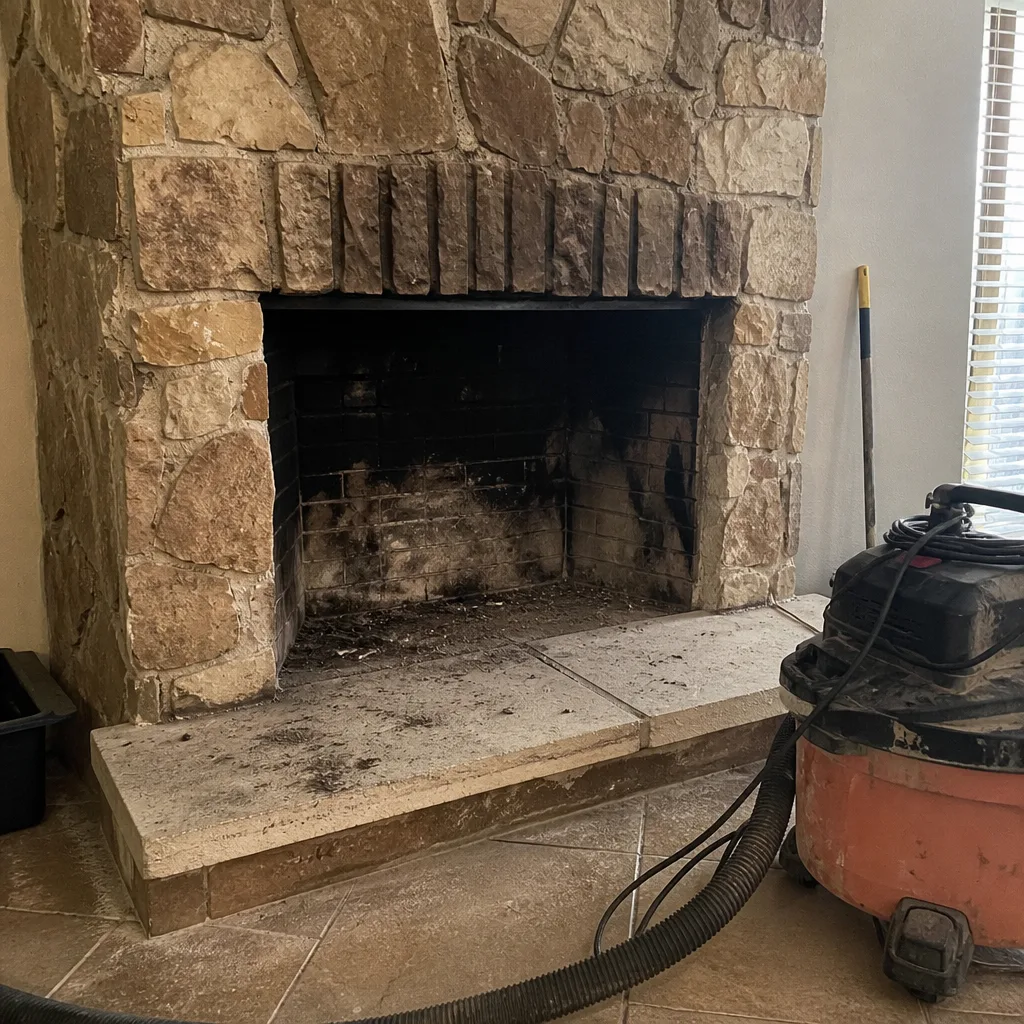 Before
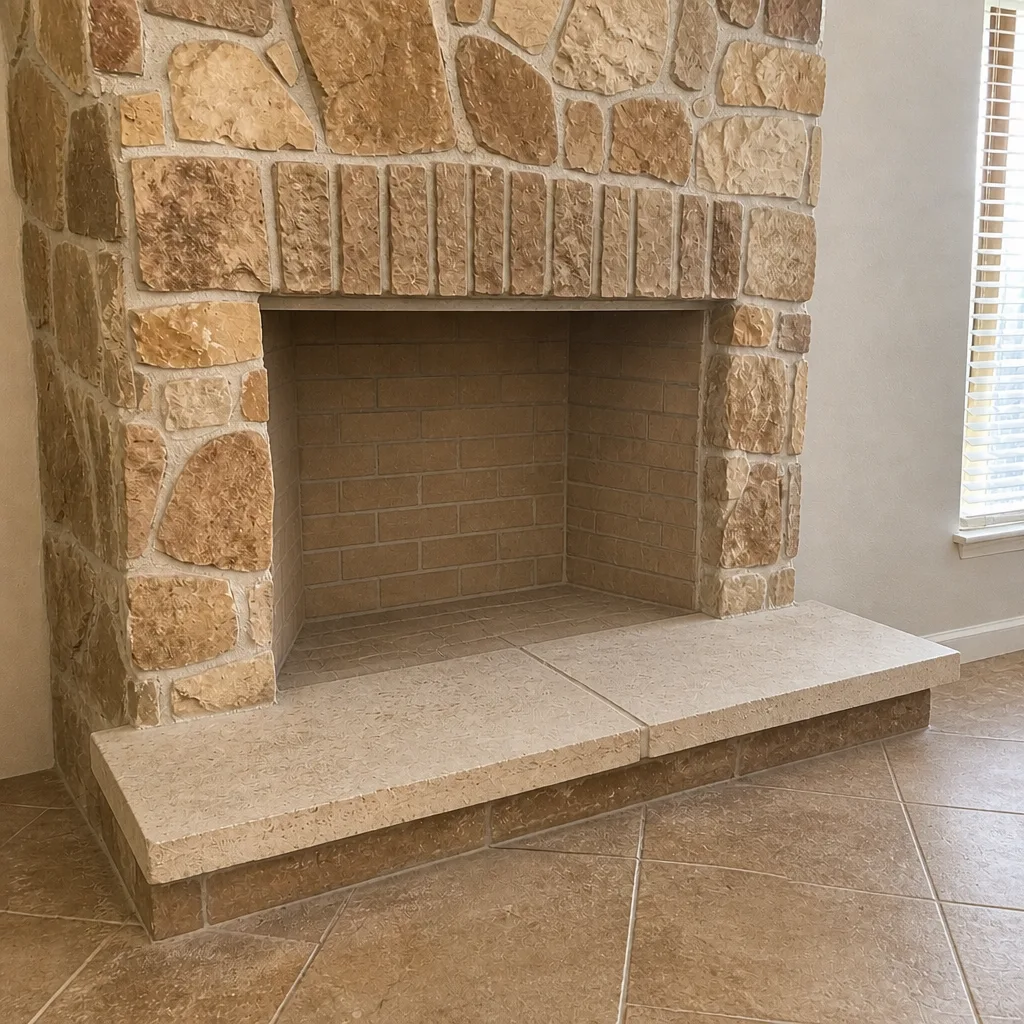 After
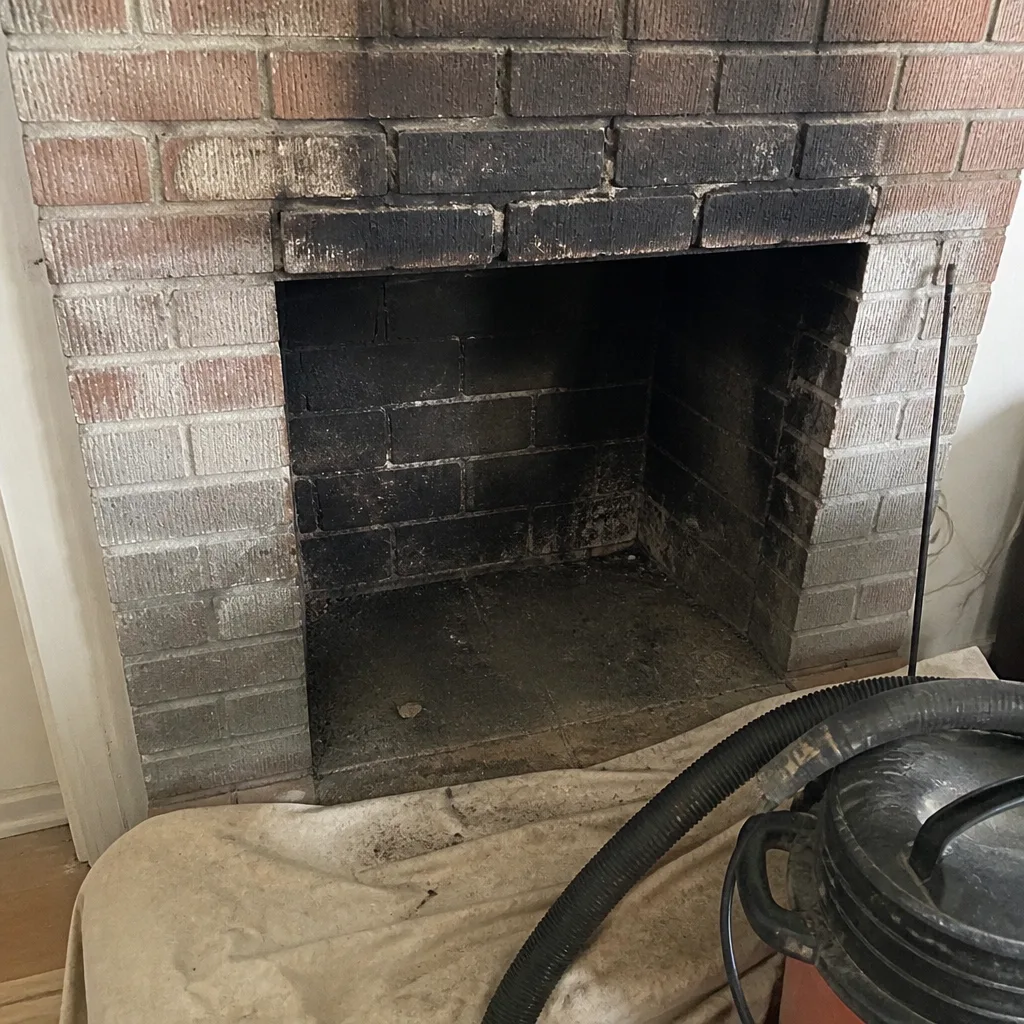 Before
 After
 Before
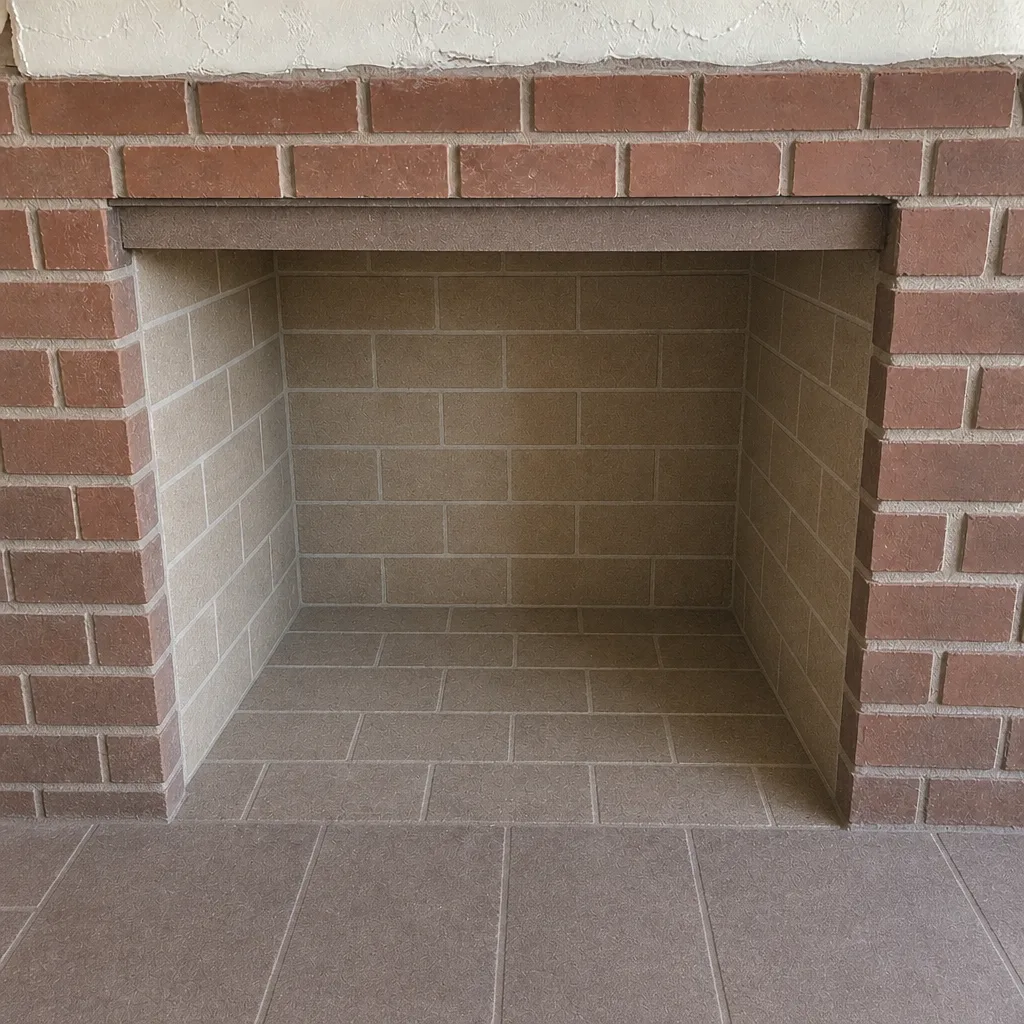 After
When to Call a Professional
Call a professional before the first fire of the season if you haven’t had a sweep in over a year, if you’ve moved into a home in Cape Coral with a chimney you’ve never inspected, or if you’re preparing to sell and need a Level 2 inspection with camera footage. Call if you smell creosote inside the house when the fireplace is idle, if you see cracked or missing mortar on the chimney crown, if water is coming down the flue during heavy rain, or if you can see a glaze on the inside of the firebox walls. Call after any chimney fire, even a small one, and call if a gas appliance smells off or has a yellow flame.
For all of these, Cape Coral Chimney Sweep offers free estimates in Cape Coral. Call (888) 247-9034 to book an inspection. We answer 24/7, and fast dispatch from 7am to 7pm, Sunday through Friday.
Frequently Asked Questions
A standard chimney sweep in Cape Coral typically runs in the range of a service visit, and the written estimate sets the final price. Because Cape Coral home chimneys vary widely (masonry versus manufactured, wood versus gas, capped versus uncapped), the price depends on the flue configuration, the level of inspection, and whether a camera is needed. The cleanest way to get an exact number is to call for an estimate. Call (888) 247-9034 for an exact quote; estimates are free.
Sometimes, but not as often as the quotes suggest. A liner replacement is the right answer when the existing flue has cracked tiles, significant gaps, or a size mismatch that makes the chimney unsafe to use. It’s the wrong answer when the problem is a surface issue that a HeatShield flue restoration could solve, or when a cap repair would fix the water intrusion causing the damage. Don’t accept a liner quote without camera footage showing what’s actually wrong. If the recommendation isn’t backed by video you can watch, get a second opinion. Call (888) 247-9034 for an exact quote; estimates are free.
Once per year is the standard recommendation, and that’s the baseline for most Cape Coral homes even when the fireplace sees limited use. Frequent wood burners should be swept based on creosote accumulation rather than the calendar, which usually means every cord of wood or so. Gas appliances need an annual inspection rather than a sweep. If it’s been more than a year since your last visit, book the inspection before the first fire of the season. Call (888) 247-9034 for an exact quote; estimates are free.
Skipping a sweep allows creosote to accumulate inside the flue. Creosote is flammable, and in its glazed form it can ignite and start a chimney fire. A chimney fire can crack flue tiles and let heat and gases into the structure of the house. Skipping also means water intrusion and cap damage go undetected through hurricane season. The risk grows with time, which is why the annual inspection matters even when you’re not burning wood regularly. Call (888) 247-9034 for an exact quote; estimates are free.
A specialist is the right call for anything beyond a routine sweep. A general handyman can remove soot, but the diagnosis behind a chimney recommendation (creosote stage, flue integrity, cap condition, appliance venting) depends on trade-specific training and equipment. The CSIA certification exists because that expertise is not general. Ask whether the company works on chimneys specifically. If the answer is “we do a lot of things,” keep looking. Call (888) 247-9034 for an exact quote; estimates are free.
Ask five: the CSIA certification number, whether the company carries general liability and workers’ comp specific to chimney work, what level of inspection is included, what the written report will contain, and who actually shows up (employee or subcontractor). The answers separate a specialist from a generalist faster than any review score. Get the answers on the phone before you book, and ask for the insurance certificate in writing. Call (888) 247-9034 for an exact quote; estimates are free.
The Bottom Line
The right chimney contractor in Cape Coral is identifiable before they arrive. Ask about CSIA certification and watch what happens next. Ask for the insurance certificate. Ask which inspection level is included and what the report will show. Compare written quotes line by line rather than on the bottom-line price, and never accept a repair quote that isn’t backed by camera footage you can watch. A chimney-only specialist sources from brands like DuraFlex, HeatShield, Olympia Chimney, and Gelco, because the materials matter to the outcome. The annual inspection matters more than the annual cleaning, and none of it is complicated once you know what to ask.
At Cape Coral Chimney Sweep, we do chimney work only (inspection, cleaning, and repair) and nothing else. Our technicians have up to 9 years of experience, and we’re CSIA-informed specialists who use HeatShield for restoration work and DuraFlex flexible liners where a rigid system won’t fit. The free estimate is written, priced per job, and it’s yours to compare. Call (888) 247-9034 for a free estimate. We answer 24/7, with fast dispatch from 7am to 7pm, Sunday through Friday.
Written by the team at Cape Coral Chimney Sweep.