
Last updated November 15, 2026
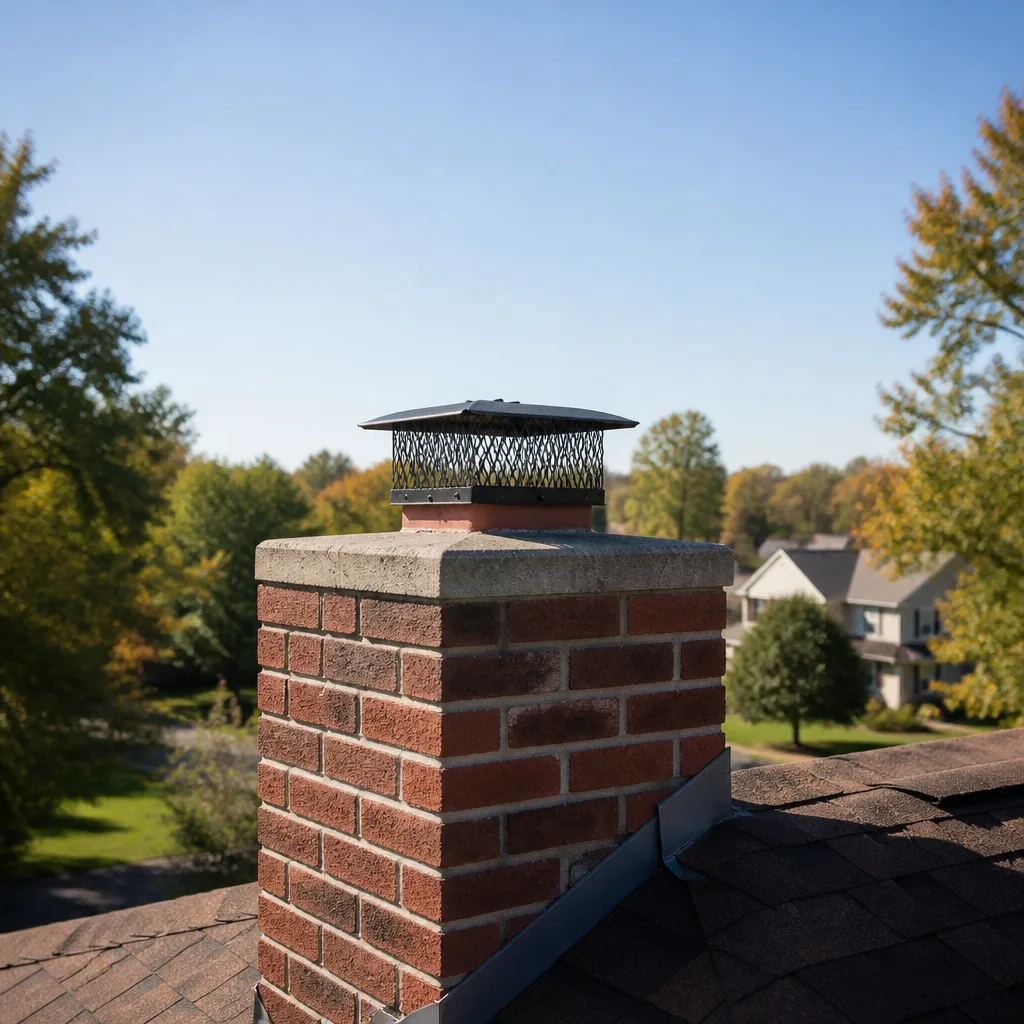 Sweep & inspection
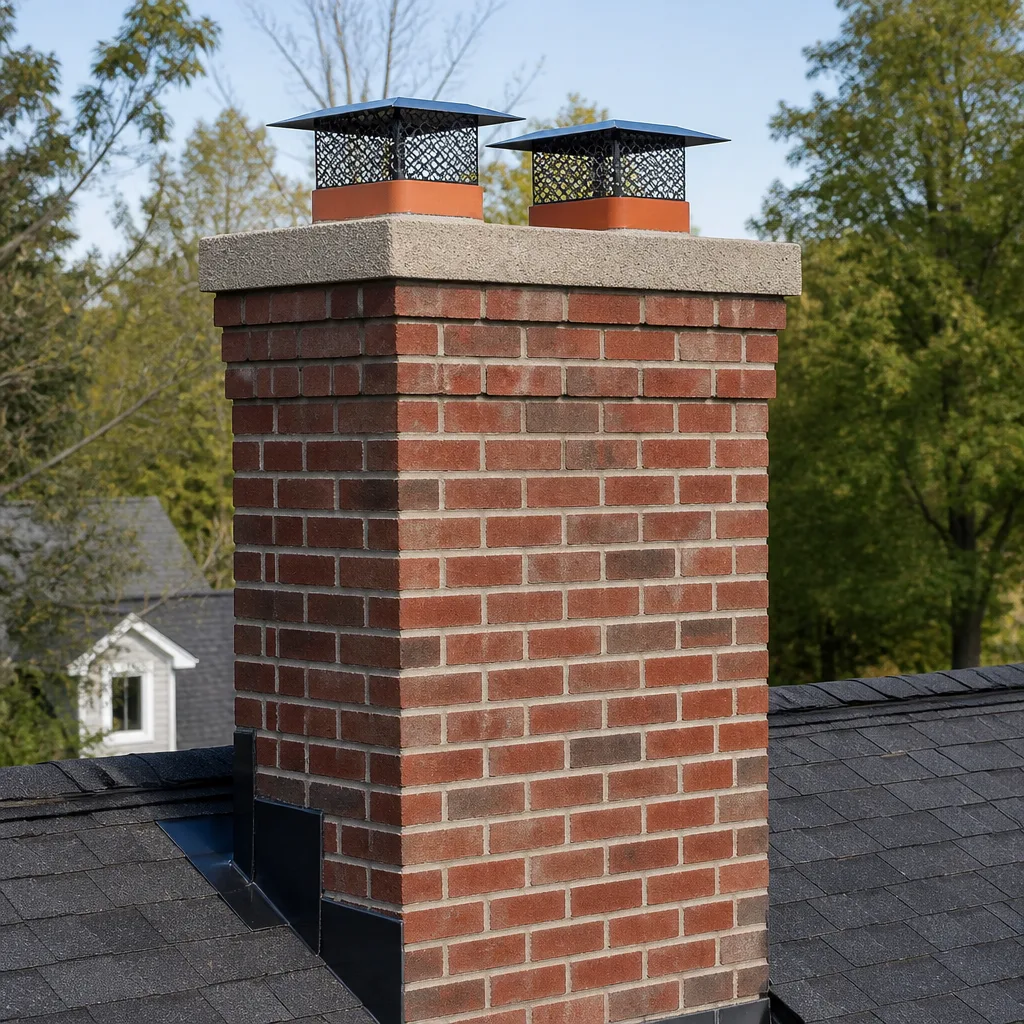 Caps & crowns
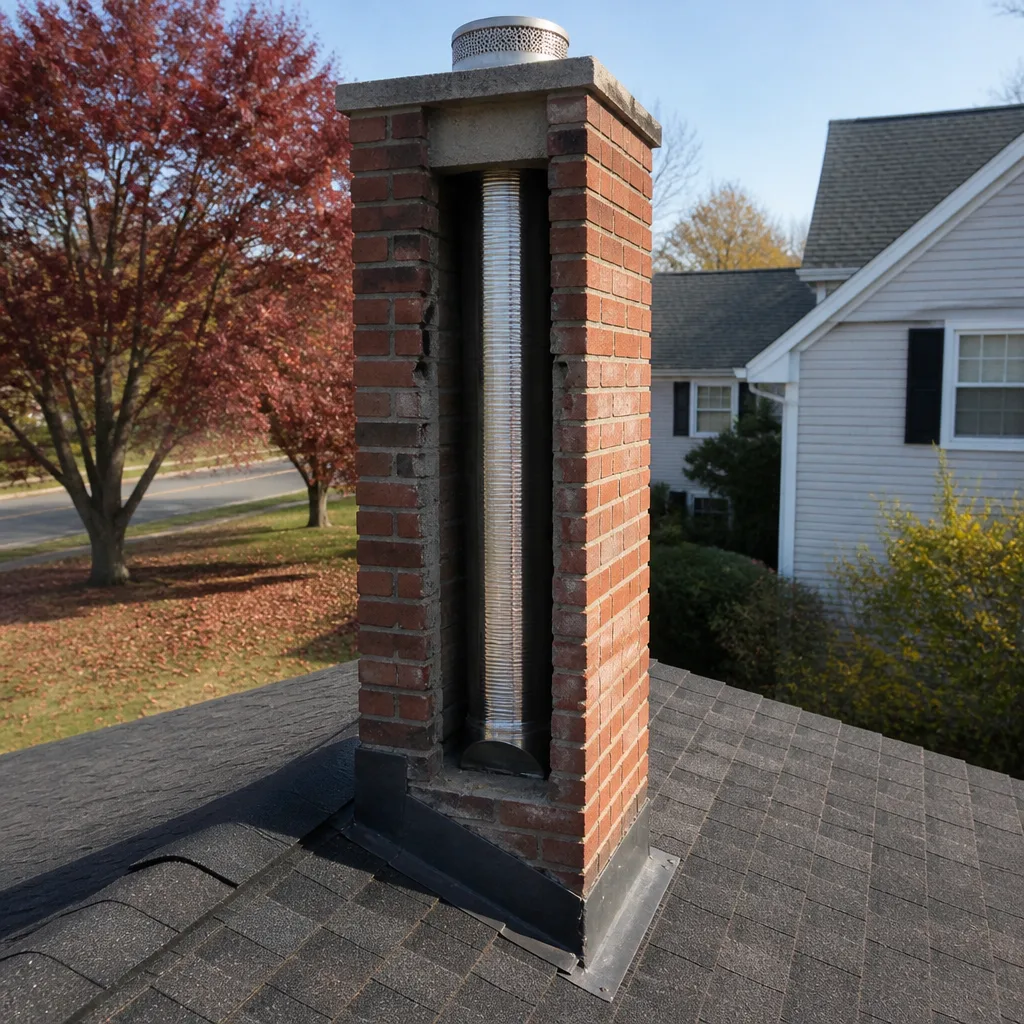 Flue relining
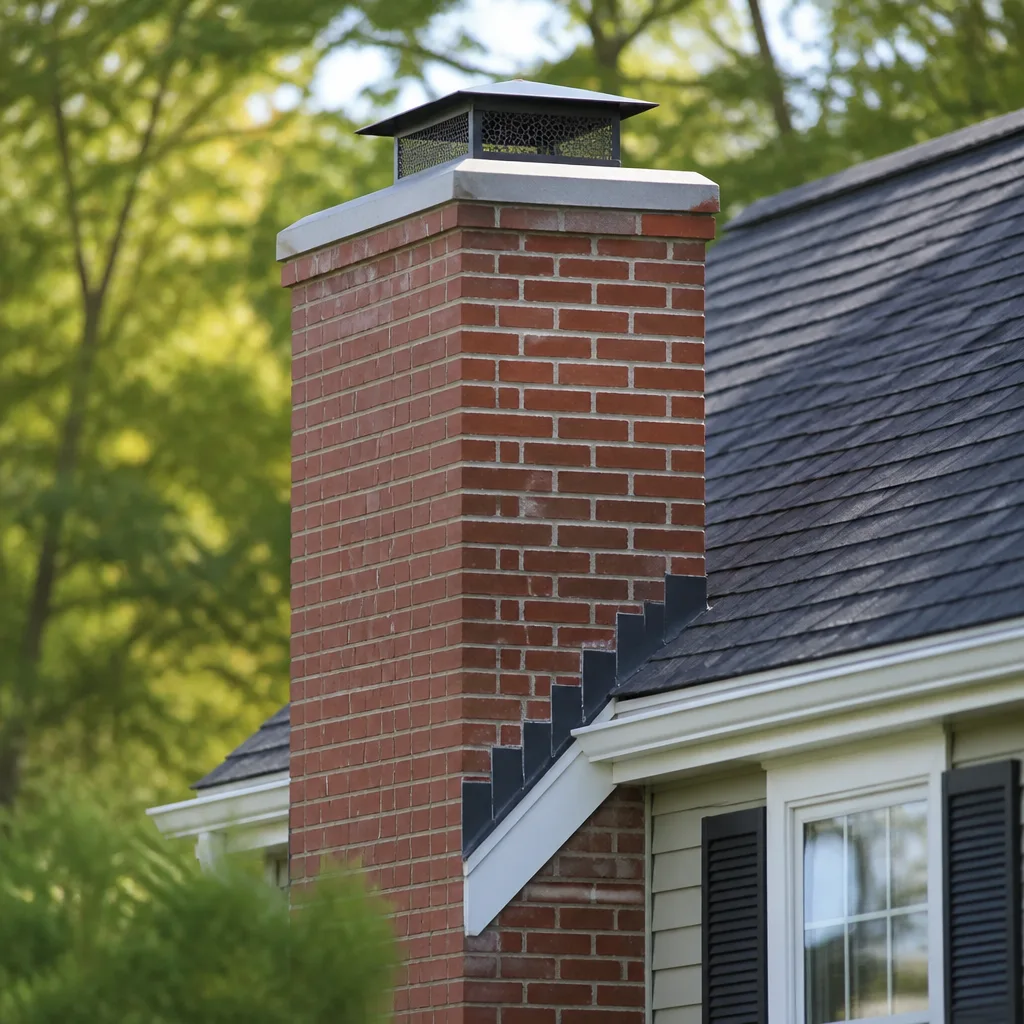 Masonry repair
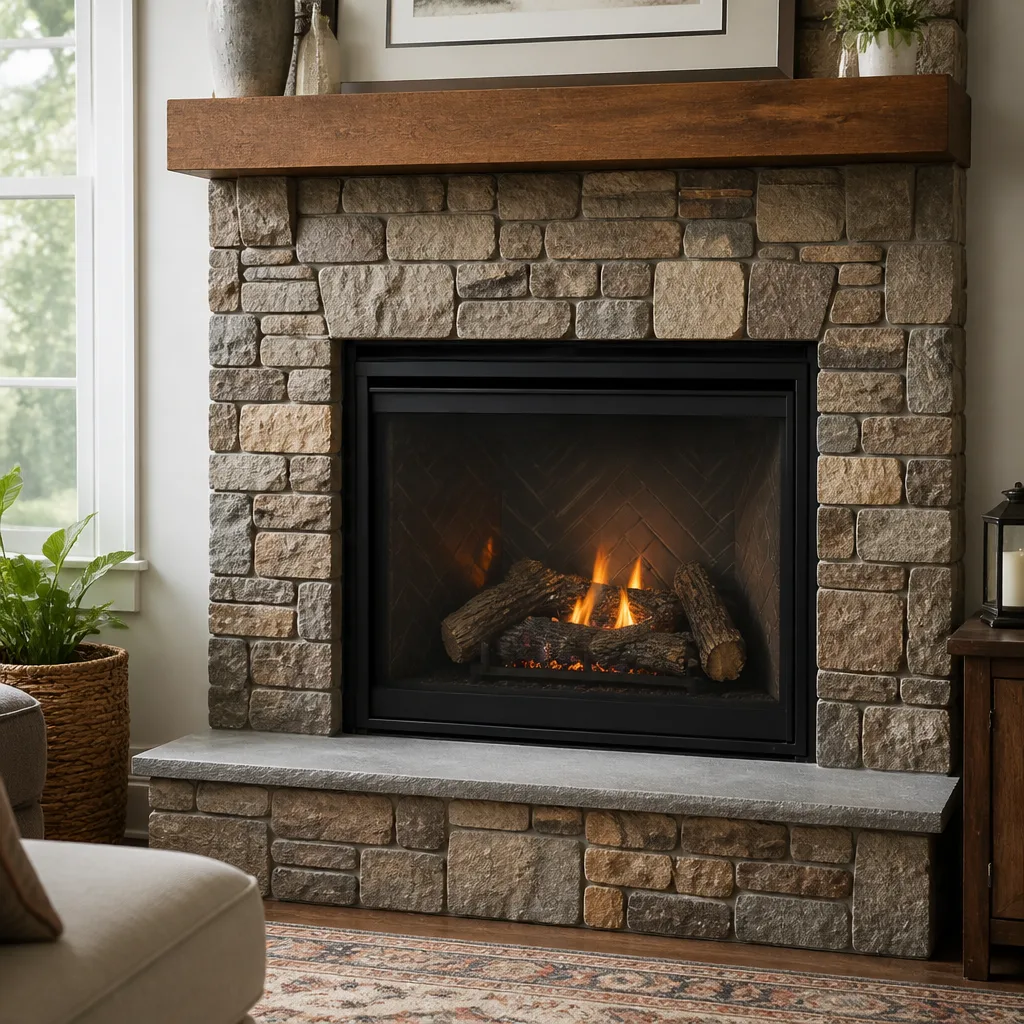 Gas fireplace service
Level 1 sweep and inspection to the NFPA 211 annual standard - flue, crown, cap, and flashing checked and photographed
Chimney sweep logs do not sweep chimneys. They loosen some creosote - which then falls where a brush and vacuum still have to collect it.
Chimney Sweep Maintenance Checklist for Cape Coral Homeowners
The usual advice to “inspect before winter” was written for houses that burn wood for five months straight. Most Cape Coral homeowners light a fire a handful of times a year, when the odd cool evening rolls through. That changes the whole maintenance calendar. Your chimney doesn’t face a long heating season here – it faces a long rainy season, a hurricane window, and months of sitting idle in humid air. The threats are moisture and neglect, not snow loads. This guide lays out a month-by-month checklist built around Cape Coral’s real weather, shows you which checks you can do yourself and which need a trained sweep, and explains how to document your chimney year over year so problems get caught as trends, not surprises.
Quick Answer
A Cape Coral chimney needs a professional sweep and inspection once a year, timed in late fall before your first fire of the dry season, plus three things you can check yourself each month: the damper, the firebox, and the chimney cap. Between professional visits, the biggest local risk is moisture getting into the flue and cap during the rainy season from roughly May through October.
Styles & brands we work with
- Sweep & inspection
- Caps & crowns
- Flue relining
- Masonry repair
- Gas fireplace service
Table of Contents
- Why Cape Coral Chimneys Need a Different Timeline
- The Month-by-Month Maintenance Checklist
- Owner Checks vs. Tasks That Need a Professional
- Spotting Corrosion on Caps, Dampers, and Chase Covers
- How to Document Your Chimney Year Over Year
- Maintenance Records for Insurance and Home Sales
- When It’s a Cleaning Job and When It’s a Repair
- Common Mistakes to Avoid
- When to Call a Professional
Why Cape Coral Chimneys Need a Different Timeline
The standard chimney calendar is built on heating degree days. Up north, a chimney runs hot through the winter, then rests in summer. In Cape Coral, it’s almost the reverse. You might burn a fire on a few evenings in January and February, then leave the fireplace untouched for eight or nine months while the rainy season dumps humid air on everything. That idle stretch is when slow damage happens, and it’s exactly the stretch most maintenance schedules ignore.
Two local conditions shape the work. First is the dry season, roughly November through April, when you actually use the fireplace and when the flue dries out enough to inspect and clean safely. Second is the rainy season, May through October, when moisture finds every weak point in a chimney system: a cracked cap, a failing chase cover, a damper that doesn’t seal, deteriorated mortar at the crown. A chimney that stays dry all summer is a chimney that lasts. One that takes on water every year will show it in the flue lining and the firebox brick.
That’s why a Cape Coral maintenance plan should front-load inspection into fall and put your own moisture checks into late spring and summer. It’s not the template you’ll read on most chimney websites, but it matches how homes here actually live. If you’re scheduling your first visit, a chimney sweep before the first cool snap gets you ahead of both the fire season and the moisture season that follows it.
The Month-by-Month Maintenance Checklist
Here’s the full year, organized around Cape Coral’s actual weather pattern rather than a generic four-season model. The annual professional sweep sits in autumn; everything else is either a homeowner check or a seasonal prep task.
- October – pre-season sweep and inspection. Book your annual cleaning and level-one inspection before you light the first fire. This catches soot buildup, animal nests, and any summer moisture damage while there’s still time to repair it. Confirm the damper moves freely.
- November – first-fire readiness. Open the damper fully, check for the smell of creosote or mustiness, and look up the flue with a flashlight for obvious blockages. Do a short test fire with a window cracked to confirm the draft pulls correctly.
- December through February – in-season monthly checks. Once a month while you’re burning, look into the firebox for cracked brick, loose mortar, or heavy soot. Check the damper seal. Keep the area around the hearth clear.
- March – end-of-season look. Before you stop burning, do a final visual check of the firebox and note anything that looked off during the season. This is also a good time to book repairs while the calendar is open.
- April – pre-hurricane exterior walk-around. This is the important one in Cape Coral. Walk the outside of the chimney and check the cap, chase cover, flashing, and any masonry for loose material that a storm could lift or tear off. Photograph the chimney from the ground.
- May through October – rainy-season moisture checks. Each month, look for water staining on the firebox walls, rust at the damper, or dampness around the hearth. A musty smell when there’s no fire is a moisture signal, not just a nuisance.
- Year-round – animal and debris watch. Check that the cap screen is intact and that no birds or squirrels have moved in. A blocked flue is a safety issue, not just an inconvenience.
Done consistently, this rhythm means the annual sweep isn’t your only defense. You’re catching the things that change slowly, and the professional catches the things that need eyes and tools up the flue.
Owner Checks vs. Tasks That Need a Professional
Not every chimney task is a call-the-sweep task, and knowing the line keeps you from either overpaying for simple checks or, worse, taking on work that belongs to a trained technician. Here’s the honest split.
Checks you can safely do yourself:
- Operate the damper by hand and confirm it opens and closes fully without sticking.
- Look into the firebox with a flashlight for cracked brick, gaps in mortar, or buildup.
- Inspect the firebox and hearth from the room for moisture stains or efflorescence (that white powdery deposit).
- From the ground, check that the chimney cap and its screen are intact and that no debris or animals have entered.
- Check that nearby tree limbs or storm debris aren’t crowding the cap.
Tasks that belong to a professional:
- Any work on the roof or at the top of the chimney. Height work is genuinely dangerous, and a fall from a roofline causes serious injury. Leave the cap, chase cover, and crown to a trained technician.
- Cleaning the flue of creosote or soot. A proper sweep uses the right brushes and, where needed, a camera to see what’s actually inside.
- Any repair to the flue lining, firebox, or masonry. This is skilled work, and getting it wrong can leave a flue that looks fine but isn’t.
- Gas appliance or insert servicing. Carbon monoxide is a real hazard, and any work on a gas-burning system should be done by a qualified technician.
- Diagnosing why a chimney smokes or drafts poorly. That’s a troubleshooting job, not a visual check.
If you’re unsure whether something you’ve spotted is a real problem, that’s a good reason to have it looked at rather than guess. A short visit settles it, and a chimney repair caught early is always smaller than one caught late.
Spotting Corrosion on Caps, Dampers, and Chase Covers
Corrosion on chimney components doesn’t announce itself. It creeps along hinges, fasteners, and seams, and by the time it’s obvious it’s usually already letting water or air where it shouldn’t. In Cape Coral, the routine exposure to humid air and the long rainy season gives metal parts plenty of chances to rust. Learning what to photograph and when is the practical defense.
Here’s what to look at and what a problem looks like:
- Chimney cap. Check the top and edges for rust-through, especially where the screen attaches. A cap that’s rusted at the fasteners is one storm away from coming loose. Photograph it from the ground each year so you can compare.
- Damper. Open it and look at the hinge points and the frame. Rust that keeps the damper from sealing lets warm, humid air into the flue all summer and lets conditioned air escape. Photograph the open damper with a flashlight for detail.
- Chase cover. The metal cover over a factory-built chimney chase is a common corrosion point. Look for pitted metal, loose seams, or standing water after a rain. A failing chase cover is a direct path for water into the structure.
- Flashing and fasteners. Look for rust streaks where the chimney meets the roof. Streaks are a sign water is getting behind the flashing.
- Firebox metal parts. On inserts or gas units, check the metal frame and door for pitting or rust bloom.
Take these photos the same way each year – same angles, same lighting if you can. The point isn’t one photo; it’s the series. A cap that looked fine last year and looks different this year is a conversation worth having with your sweep before the change becomes a repair. When components do need replacing, industry-grade parts matter. We work with named brands like Olympia Chimney and Copperfield for caps and components, and DuraFlex for liner work, because a part that fails in two seasons costs more than one that lasts.
How to Document Your Chimney Year Over Year
A single inspection tells you what your chimney looks like today. A record tells you where it’s heading. The difference between the two is everything when you’re trying to decide whether a small crack is stable or slowly opening into a real problem. Cape Coral’s steady humidity makes slow deterioration the main long-term risk, and slow deterioration is exactly what a year-over-year record catches.
Building that record is straightforward if you keep it consistent:
- Keep a simple chimney log. A folder or a notes file works. Note the date of each sweep and inspection, what was found, and any recommendation made.
- File the inspection report. A proper inspection produces a written record of the flue condition, the firebox, the cap, and the damper. Keep every one, not just the latest.
- Take dated photos at the same angles each year. Roof-level photos are best taken by your technician during the inspection; ground-level photos you can take yourself. Either way, label them by date.
- Note changes, not just conditions. “Cap screen intact” is a snapshot. “Cap screen was intact last year, now has a loose corner” is a trend, and trends are what a sweep uses to decide whether to repair or just watch.
- Log repairs and materials. When a component is replaced, note the date and the product. Knowing a cap was replaced three years ago with a specific brand tells your technician what to expect and how to inspect it.
When we do an inspection, we’re looking at the current condition and the trend line at the same time. A chimney that reads the same every year is a low-risk chimney. One that reads a little worse each year gets a different recommendation. For a broader view of professional standards and what a proper inspection covers, see Cape Coral Chimney Sweep.
Maintenance Records for Insurance and Home Sales
Chimney records aren’t just for the sweep. They matter when you file an insurance claim and when you sell your home. Florida’s property disclosure requirements put weight on what a seller knows and documents about the home’s systems, and a chimney that’s been maintained with a paper trail is a different proposition than one with no history at all.
What to keep, and why:
- Annual inspection reports. These show a maintenance history. Insurers and buyers both value a documented record over a verbal “it’s been looked after.”
- Repair invoices and material details. When a cap, liner, or damper was replaced, keep the details, including the brand. This shows the work was done properly and lets a future inspector understand what’s installed.
- Photos with dates. A visual record supports an inspection report and helps a buyer see the condition at each stage.
- Sweep and cleaning receipts. Simple, but they establish that the chimney has been maintained on a schedule rather than only when something went wrong.
The goal is a file a buyer’s inspector can read and an insurer can rely on. When you sell a Cape Coral home with a fireplace, being able to produce a clean, current inspection report removes a common source of negotiation friction. A chimney with documented care is one less item on the buyer’s list.
When It’s a Cleaning Job and When It’s a Repair
Homeowners often assume a dirty chimney and a damaged chimney are the same thing. They’re not, and knowing the difference keeps you from over-repairing a flue that just needs cleaning – or under-repairing one that’s quietly failing. Both a sweep and a repair start with the same thing: a proper inspection, done with a camera so you can see what’s actually there.
A cleaning job is the answer when the flue is sound but dirty. That means soot and creosote buildup from a season of use, or a nest, debris, or leaves that need to come out. The structure underneath is fine; it just needs to be cleared and checked.
A repair is the answer when the inspection finds something structural. Common findings in Cape Coral chimneys include:
- Cracked or spalling flue tiles, which can let heat or gases reach the structure.
- Deteriorated mortar joints in the firebox or crown.
- A rusted-out or loose cap, or a failing chase cover letting water in.
- A damper that no longer seals.
- A flue lining that’s worn to the point where a liner system is the right fix.
For worn flue linings, HeatShield is a restoration system we use – it repairs and extends the life of a flue without a full rebuild, and it’s a practical option many generalists don’t offer. For complex or offset flues that a rigid liner won’t fit, DuraFlex flexible liner systems allow proper venting where a rigid setup can’t. The right answer depends on what the inspection finds, which is why we don’t recommend work before we’ve seen the inside of the flue.
Common Mistakes to Avoid
Most chimney problems we see trace back to a handful of habits. None of them are dramatic; they’re just easy to fall into, especially in a climate where the fireplace sits idle for much of the year.
- Skipping the sweep because you “barely use it.” Low use isn’t no use. Even a few fires a year leave creosote and soot, and animals and debris move in during the idle months. A light-use chimney still needs an annual look.
- Ignoring moisture until it stains the ceiling. By the time water shows inside, the cap or chase cover has usually been failing a while. The monthly rainy-season check exists to catch it earlier.
- Climbing onto the roof yourself for a “quick check.” Height work is the most dangerous part of chimney maintenance. A cap inspection isn’t worth a fall. Leave roof-level work to a technician.
- Treating a cracked flue tile as cosmetic. A cracked flue lining can let heat and gases reach the structure of the house. It’s a repair item, not a note in the margin.
- Replacing parts with whatever’s cheapest. An unbranded cap or damper often fails faster in humid air, and the second repair costs more than the right part would have. Industry-grade parts from brands like Famco last.
- Not keeping records. A chimney with no history is harder to assess, insure, and sell. Keep the reports and photos.
- Burning wet or treated wood. Unseasoned wood creates more creosote, and treated or painted wood releases things you don’t want in your home. Burn dry, untreated firewood.
When to Call a Professional
Some situations shouldn’t wait for the annual visit. Call a professional if you smell a strong creosote or smoky odor when the fireplace is off, if smoke rolls back into the room instead of going up the flue, if you see water staining in the firebox or around the hearth, or if you spot a cracked or crumbling flue tile or loose masonry. A chimney that’s had an animal entry, a storm that moved the cap, or a visible change you can’t explain is also a call. And if you can’t remember when the chimney was last swept, that’s the answer in itself.
Cape Coral Chimney Sweep offers free estimates in Cape Coral – call (888) 247-9034. Our technicians have up to 9 years of experience, and we work on chimneys exclusively, so the person inspecting your flue does this year-round rather than as a side job. We answer 24/7. Fast dispatch from 7am to 7pm, Sunday through Friday.
See the difference
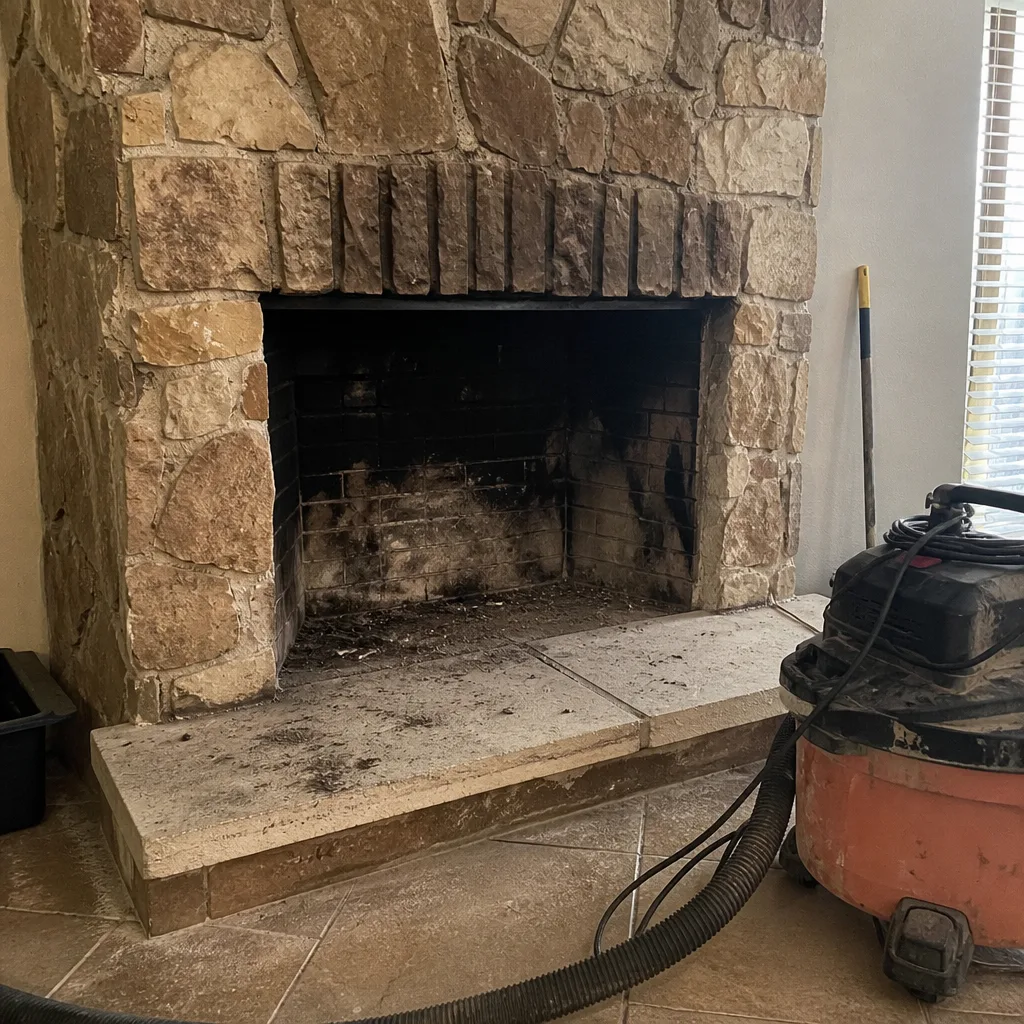 Before
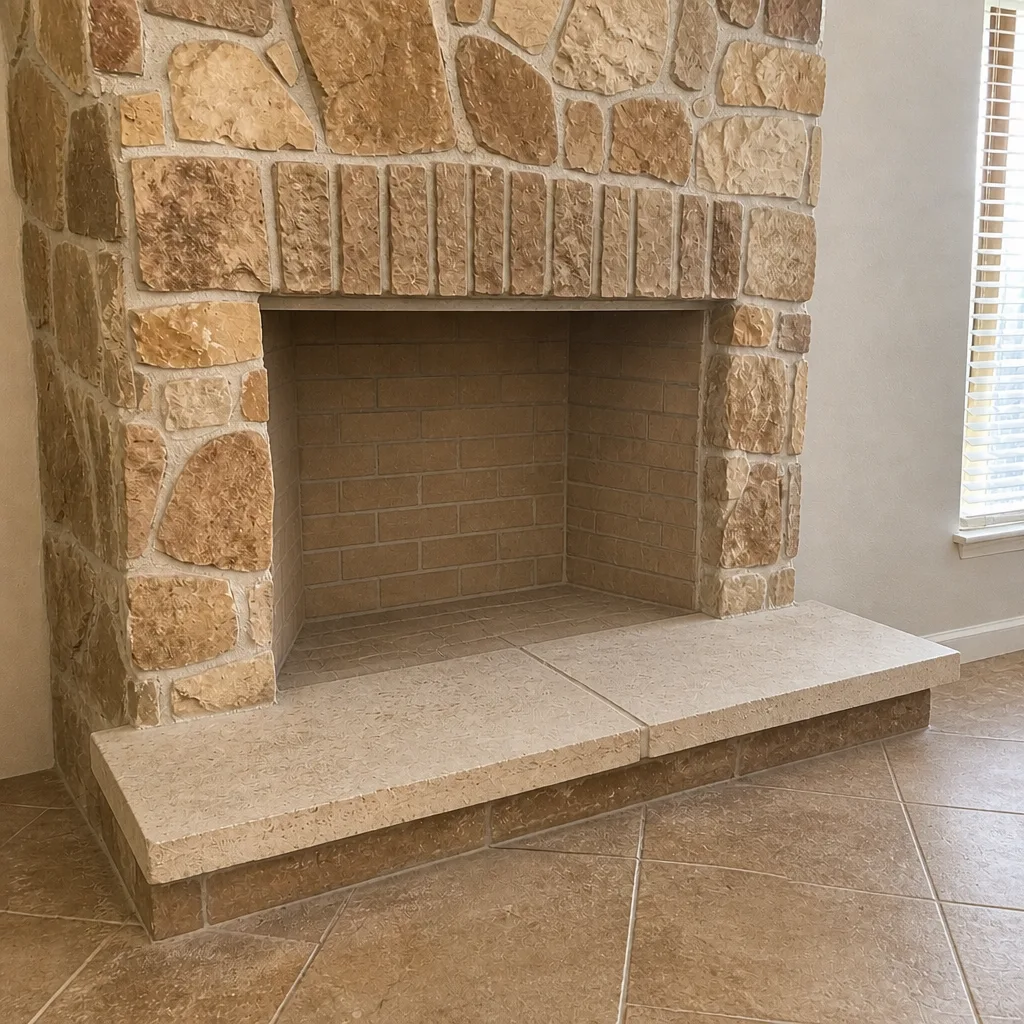 After
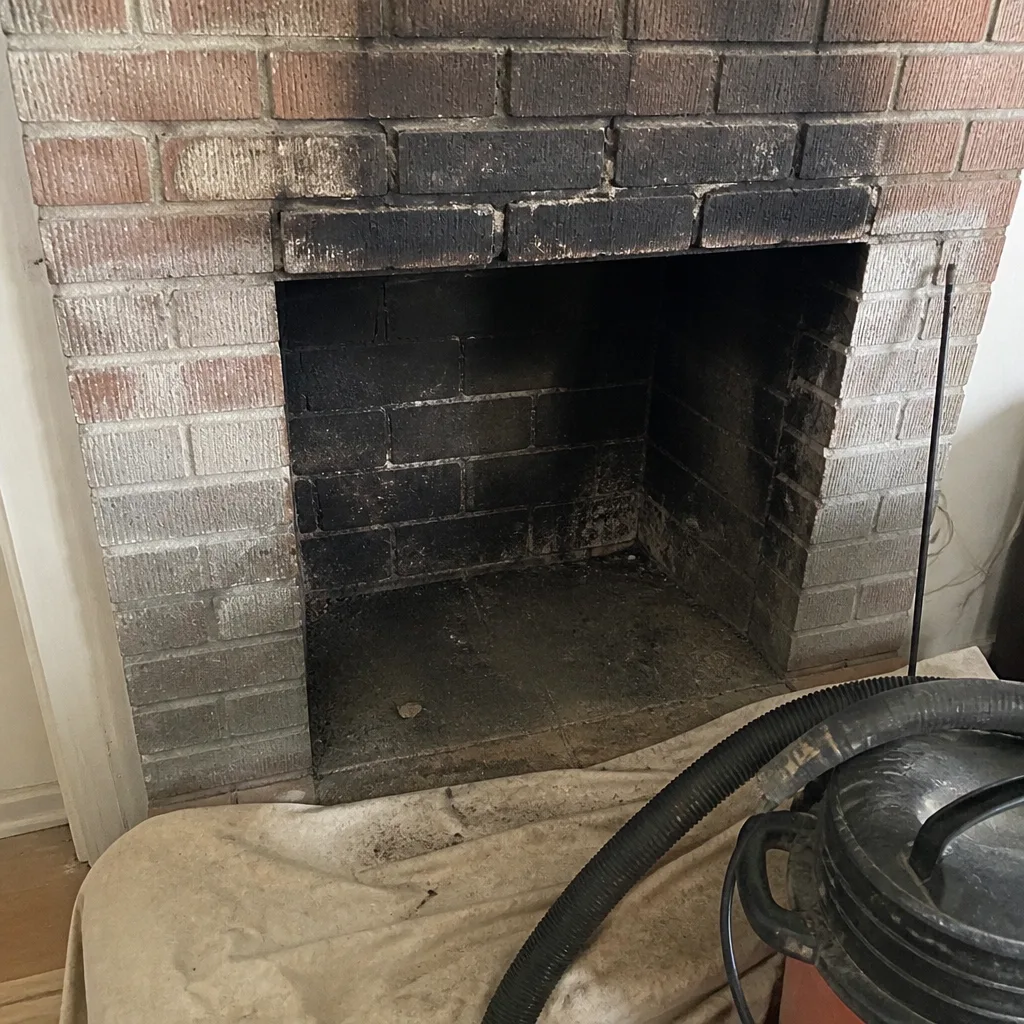 Before
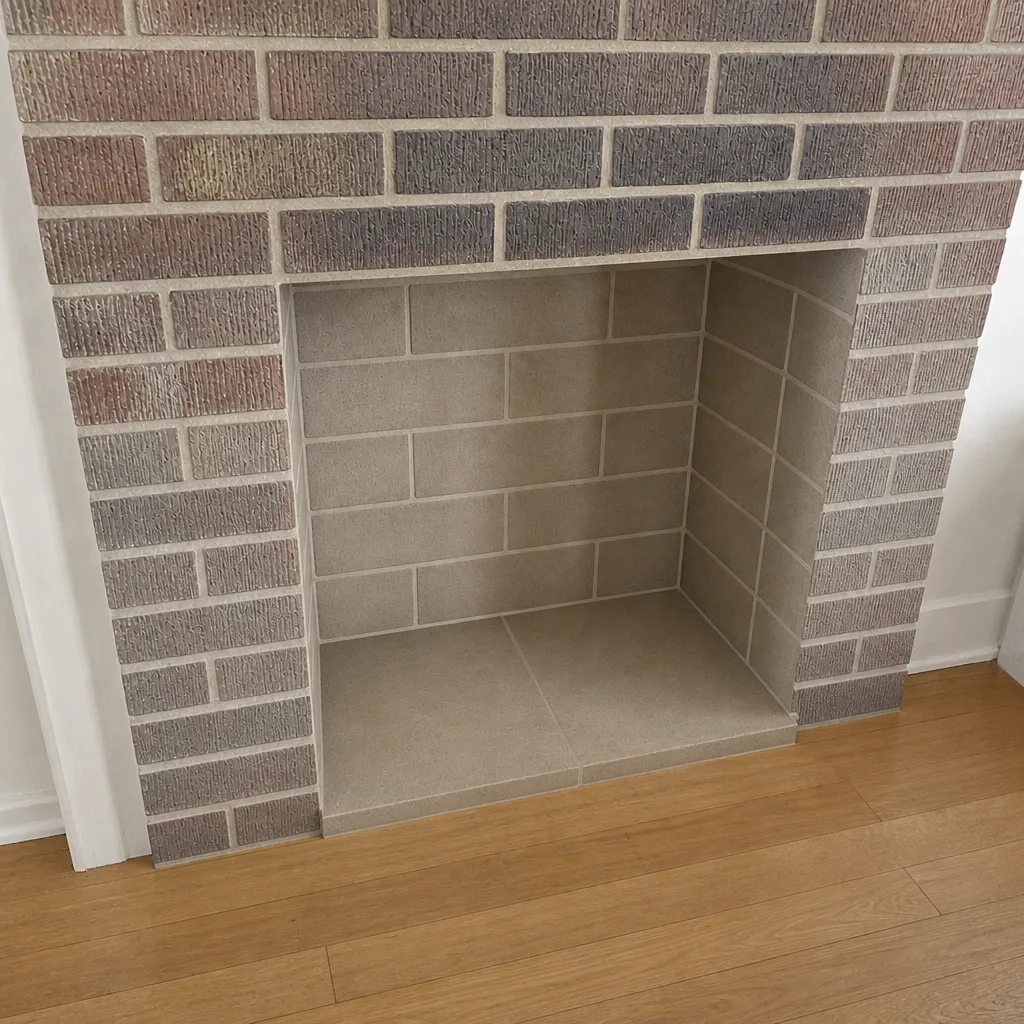 After
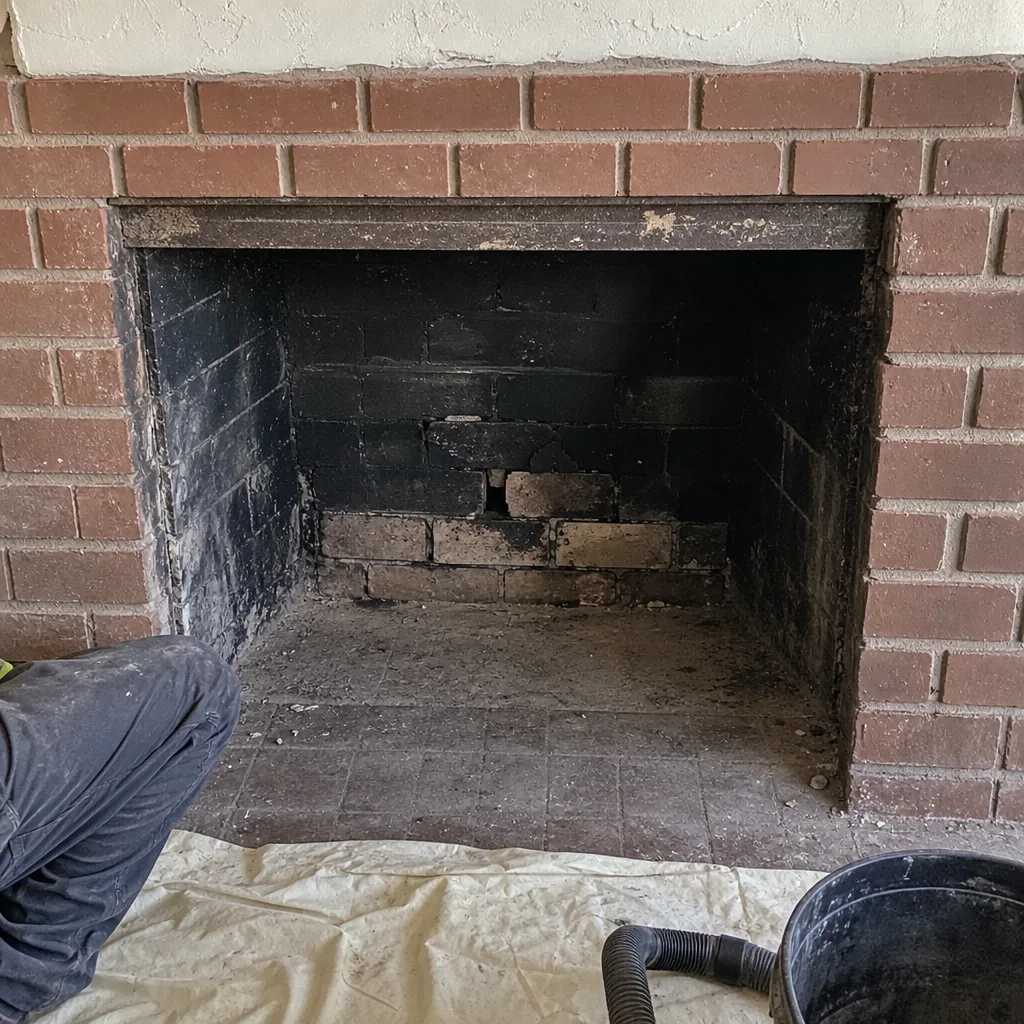 Before
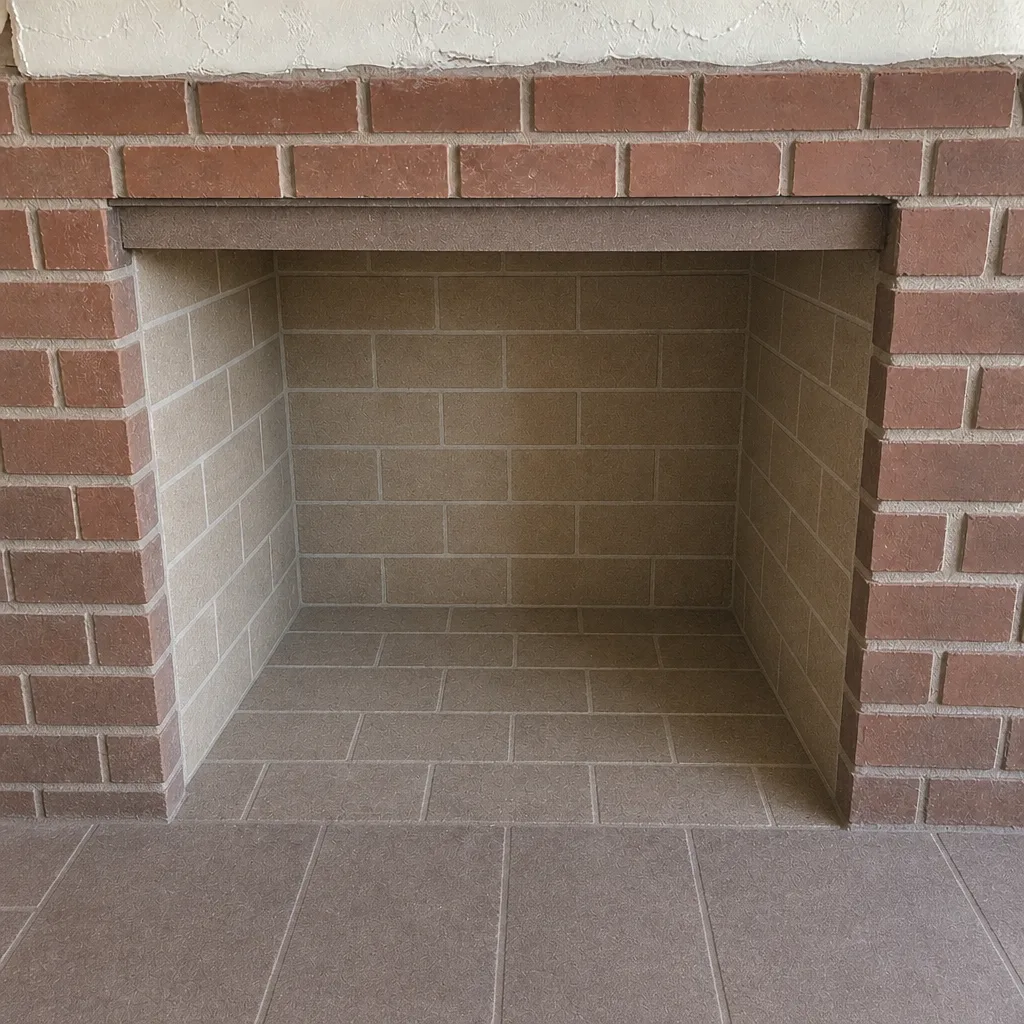 After
Frequently Asked Questions
Once a year is the standard for most Cape Coral homes, even light-use fireplaces. The annual sweep should include an inspection, because the real value in this climate is catching moisture damage and cap wear, not just clearing soot. If you burn more often, or notice a strong odor or smoke issues, don’t wait the full year.
Late fall, before your first fire of the dry season, is the ideal window. It lets a technician clean and inspect when the flue is dry, and it leaves time to make repairs before the rainy season returns. Booking ahead of the cool evenings in Cape Coral also means you’re not waiting for an appointment once the season starts.
Maybe not – but you can’t tell from the room. Most flue and lining problems are invisible from the firebox, which is why a camera inspection matters. We don’t recommend repair work without evidence you can see for yourself, and we’ll tell you when something can safely wait. Call (888) 247-9034 for an exact quote.
A proper inspection covers the flue interior, the firebox, the damper, the cap, the chase cover, and the visible masonry, with a camera to see inside the flue. You get a written record of condition, which becomes part of your year-over-year documentation. It’s the foundation for deciding between a simple cleaning and a repair.
Yes, and you should. The safe owner checks are the damper, the firebox brick and mortar, moisture signs, and a ground-level look at the cap. Anything on the roof, inside the flue, or involving the flue lining or gas components needs a trained professional. Height work and flue work are where the real risks live.
Because Cape Coral’s long rainy season leaves your chimney idle in humid air for months, and water is what degrades a flue system over time. A cold-climate chimney fights creosote from heavy use; a Cape Coral chimney fights moisture intrusion through the cap, chase cover, and crown. Monthly rainy-season checks catch it before it reaches the ceiling.
The Bottom Line
A Cape Coral chimney needs a different maintenance rhythm than the cold-climate template most guides describe. The core of it: one professional sweep and inspection each fall before the dry-season fires begin, monthly owner checks during the burning months, a hurricane-season exterior walk-around in spring, and rainy-season moisture checks through the summer. Keep a dated record of every inspection, photo, and repair; it catches deterioration as a trend, backs up insurance and home-sale disclosures, and tells your sweep whether a finding needs action or just watching. Do the owner checks, respect the height and flue work that belongs to a professional, and you’ll get far more life out of a chimney that only gets a few fires a year.
If the annual sweep is the piece you haven’t scheduled, or if any check has turned up something you can’t explain, call Cape Coral Chimney Sweep at (888) 247-9034 for a free estimate. We inspect, clean, and repair chimneys and nothing else, using industry-grade materials from brands like DuraFlex, HeatShield, Gelco, Olympia Chimney, Famco, and Copperfield. From the first fire of the season to the last rainy-season moisture check, we’re here for the whole cycle across Cape Coral.
For more on our local service, see Cape Coral.
Written by the team at Cape Coral Chimney Sweep.