
Last updated November 15, 2026
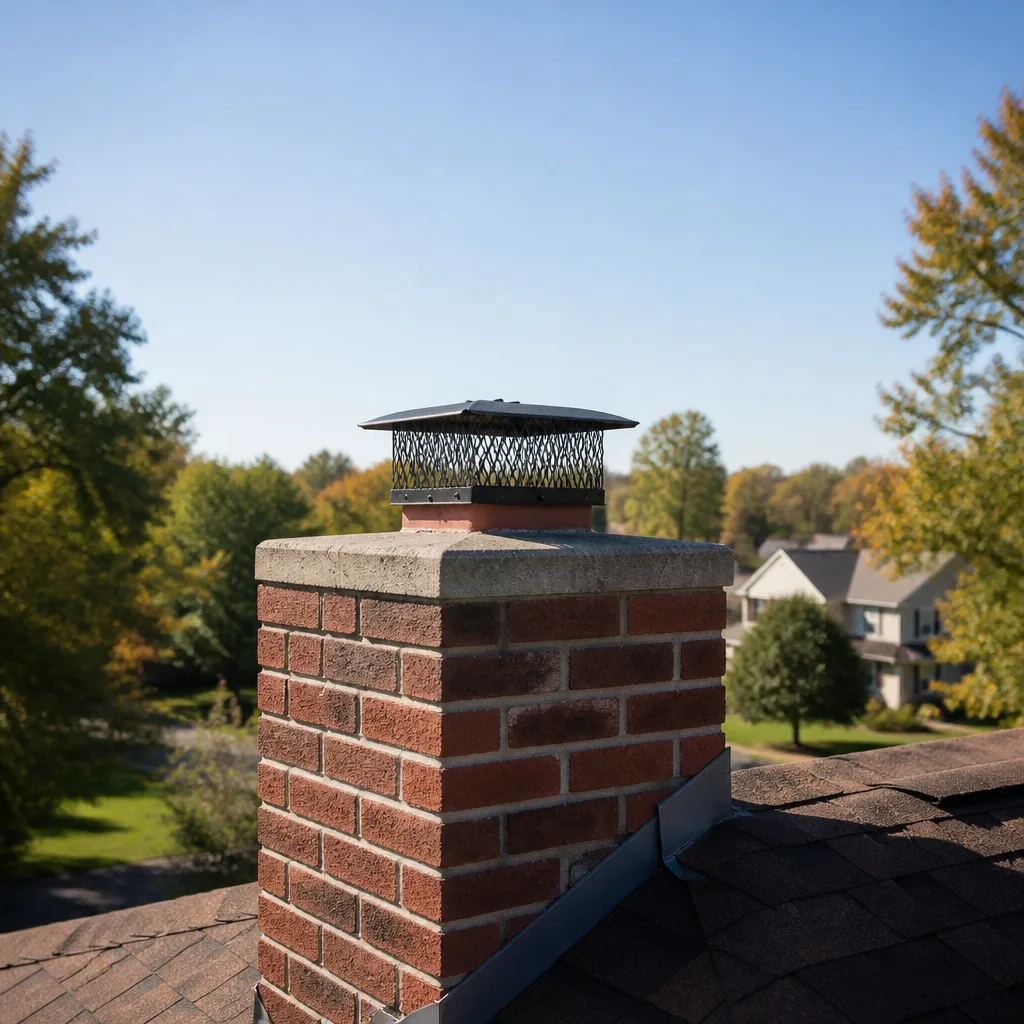 Sweep & inspection
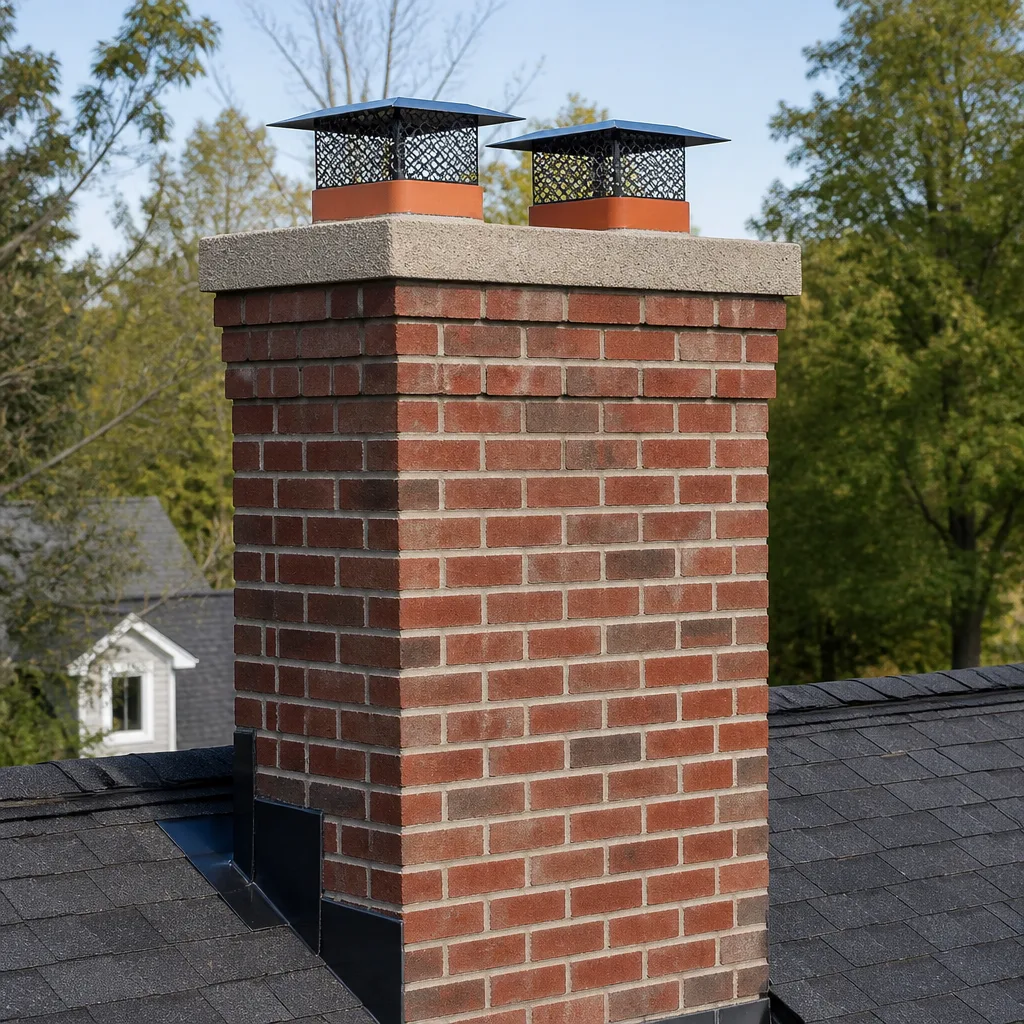 Caps & crowns
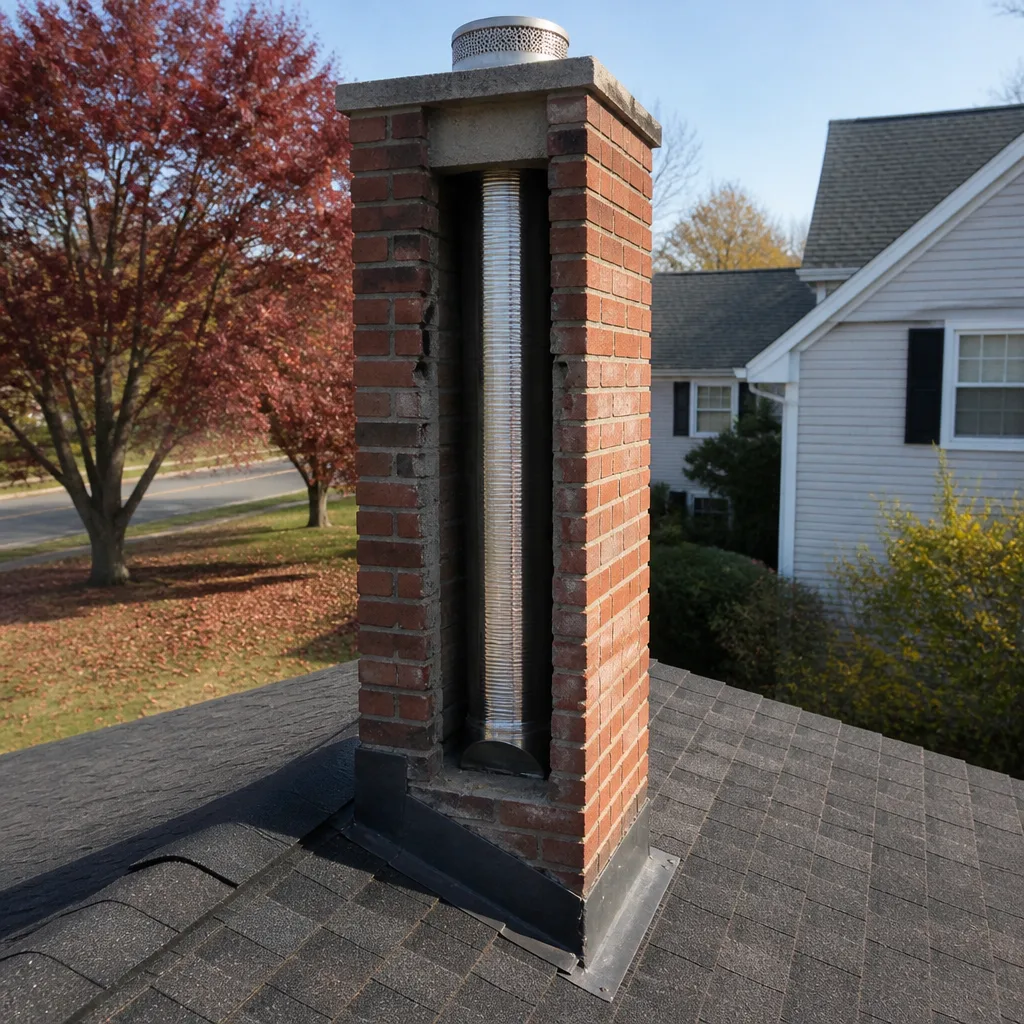 Flue relining
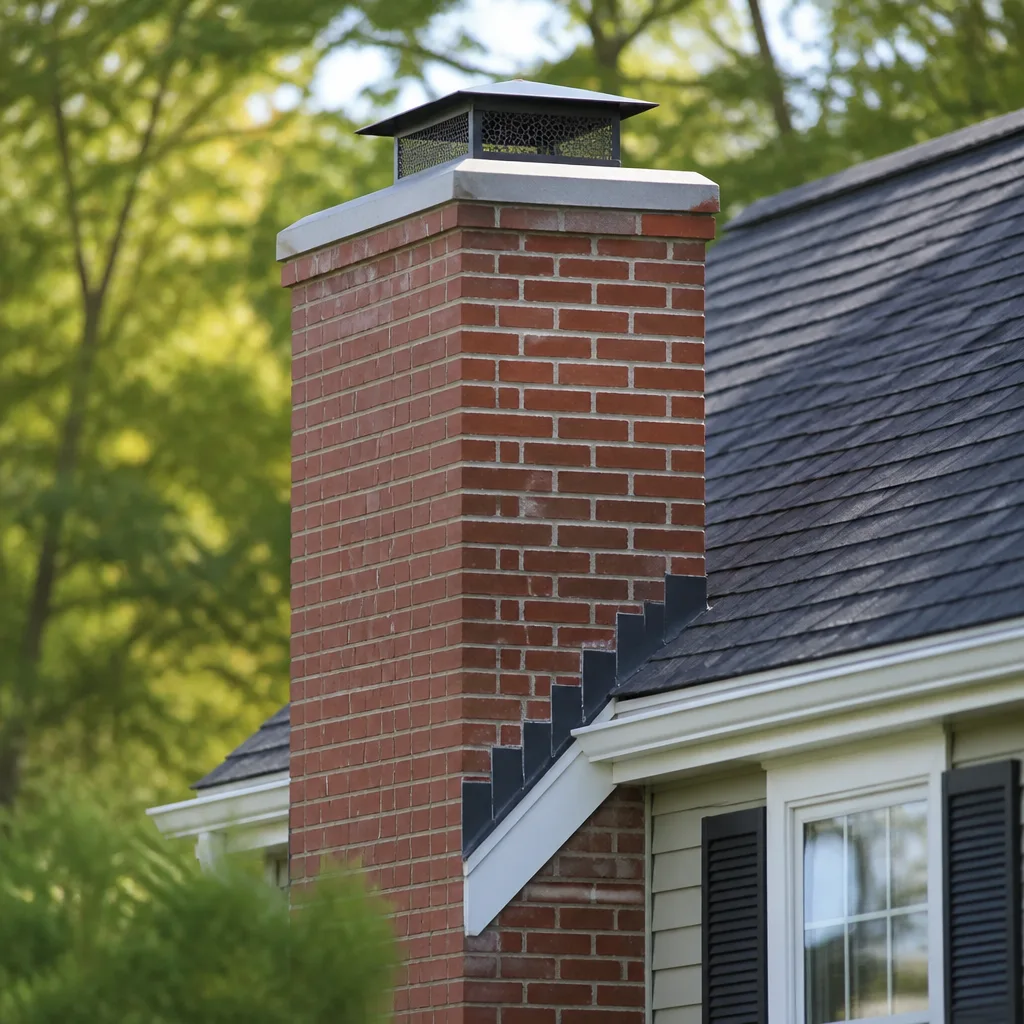 Masonry repair
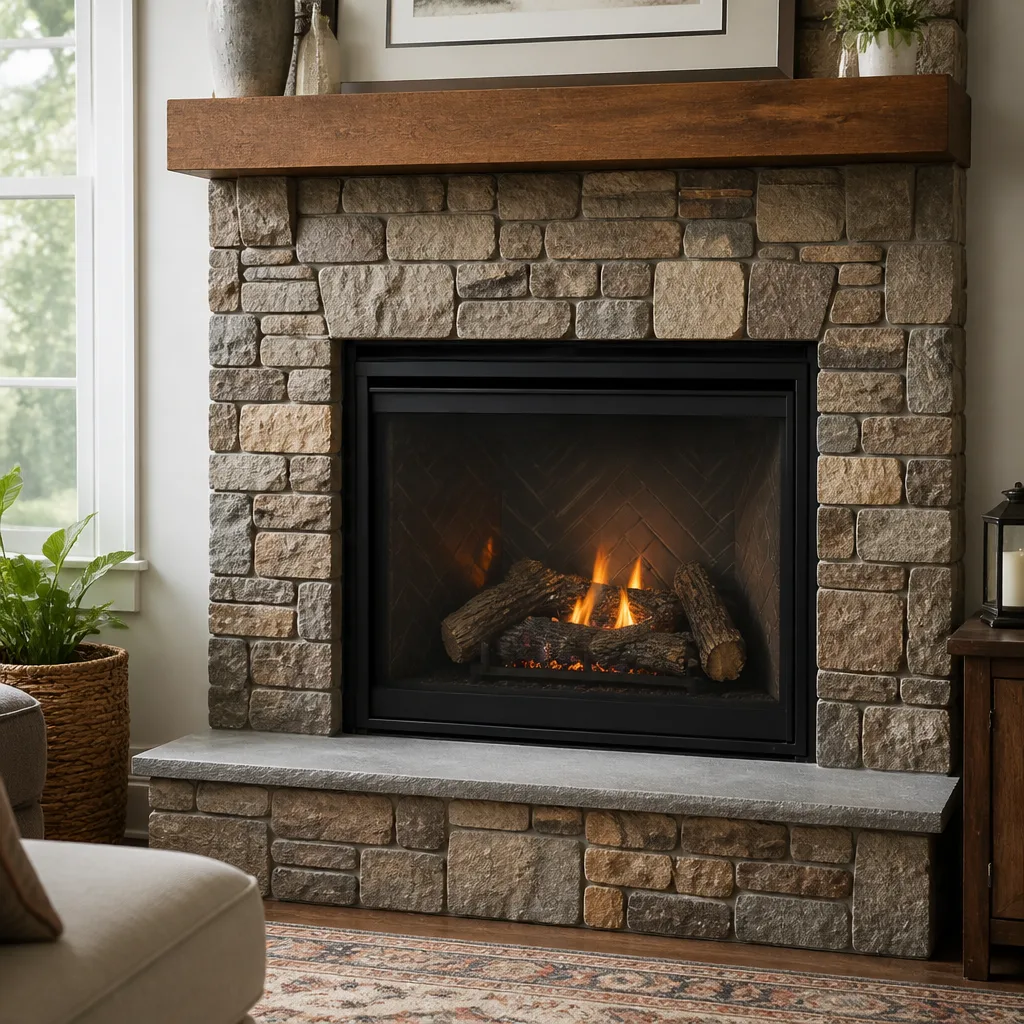 Gas fireplace service
Level 1 sweep and inspection to the NFPA 211 annual standard - flue, crown, cap, and flashing checked and photographed
Chimney sweep logs do not sweep chimneys. They loosen some creosote - which then falls where a brush and vacuum still have to collect it.
The Complete Guide to Chimney Cleaning in Cape Coral
Most Cape Coral chimneys don’t fail from heavy soot. They fail from moisture. Homeowners here light a fire a handful of times a season, if that, and reasonably assume the flue stays clean between those occasional evenings. Meanwhile the humid subtropical air, the tropical downpours, and the biological growth those conditions feed have been working on the mortar and the liner the whole time. A chimney that looks fine from the driveway can carry a cracked crown, a spalling smoke chamber, and a liner that’s quietly lost its ability to vent safely. This guide explains what chimney cleaning in Cape Coral actually involves, why low-use chimneys still need annual service, and how to tell a real cleaning from a quick brush-and-go.
Quick Answer
Chimney cleaning in Cape Coral means removing creosote, soot, and animal debris from the flue, then inspecting the parts of the system that degrade fastest in a humid subtropical climate: the crown, the flashing, the liner, and the firebox. An annual sweep and inspection is the baseline for any wood-burning fireplace, gas insert, or solid-fuel appliance, even when you only burn a few times a year. The cleaning itself is quick; the inspection is what protects the house.
Styles & brands we work with
- Sweep & inspection
- Caps & crowns
- Flue relining
- Masonry repair
- Gas fireplace service
Table of Contents
- Why Low-Use Chimneys Still Need Annual Cleaning
- How Humidity and Coastal Conditions Affect Cape Coral Chimneys
- The Inspection Checkpoints That Matter Here
- What a Full-Service Cleaning Includes
- How to Read Your Invoice: Full Service vs. Surface Sweep
- Chimney Specialist vs. Generalist Handyman
- What Chimney Cleaning Costs in Cape Coral
- How Often Should You Schedule a Sweep?
Why Low-Use Chimneys Still Need Annual Cleaning
Creosote doesn’t need a long burning season to build up. It forms every time wood burns, and the amount depends on how hot and how complete that burn was. A cool, smoldering fire – common when someone lights a few logs on a chilly evening and lets them die down slowly – deposits more creosote per fire than a hot, well-managed one. In Cape Coral, where a fire is a treat rather than a heating strategy, those low-and-slow burns are the norm, and the residue they leave behind sits in the flue for months between uses.
There’s a second layer to it. A chimney that goes unused for long stretches stays damp inside. Combustion byproducts absorb moisture from the air, and glazed creosote can soften and spread rather than stay where it landed. Nesting animals make it worse: birds, squirrels, and the occasional raccoon treat an open flue as a sheltered cavity, and the nesting material they bring in is both a blockage and a fire load sitting directly above your firebox.
And there’s the debris nobody thinks about. Loose mortar, spalled tile, and bits of a failing liner crown fall into the smoke chamber over time. When you finally do light a fire, that debris can restrict the flue and push exhaust back into the room instead of up and out. The point is simple: annual cleaning here isn’t about volume. It’s about keeping a low-use system in a high-moisture climate from quietly degrading between the times you notice it.
How Humidity and Coastal Conditions Affect Cape Coral Chimneys
Humidity is the main adversary for a chimney in this part of Southwest Florida. Masonry is porous. It absorbs moisture from humid air and from rain driven against the chimney, and then it expands and contracts as that moisture moves in and out. Over enough cycles, mortar joints soften, brick faces spall, and the crown – the concrete cap on top – develops hairline cracks that let water straight into the flue.
The salt-laden air that comes with living near the water adds another stress. It settles on every exterior surface, mortar included, and it doesn’t do masonry any favors. Then there’s the plant life. In a climate that stays warm and wet most of the year, vines, algae, and lichen colonize chimney exteriors fast. Roots work their way into small cracks and widen them. Organic growth holds moisture against the surface instead of letting it dry.
The liner feels the same pressure from the inside. A flue that sits cold and damp for weeks at a time is a condensation trap. Terracotta tiles crack when water gets behind them and the moisture can’t escape. A cracked tile lets heat and carbon monoxide reach the framing around the chimney. That’s why an inspection here isn’t a periodic nicety – it’s the check that catches moisture damage before it reaches the structure. A dedicated chimney sweep in this climate should be reading the crown, the flashing, and the liner condition as carefully as they read the flue interior.
The Inspection Checkpoints That Matter Here
A general inspection checklist written for a cold-climate chimney misses most of what goes wrong in Cape Coral. The checkpoints below are the ones that matter in a humid subtropical setting, and they’re what we look at first.
- The crown. Cracks, pitting, or separation from the flue tile. A failing crown is the single most common entry point for water.
- The flashing. Where the chimney meets the roof, the metal flashing and its sealant take a beating from rain and sun. Lifted or dried-out flashing lets water track down into the attic and the walls.
- Liner condensation and cracking. Look for moisture streaks, efflorescence (the white mineral bloom on masonry), and cracked or displaced tiles. These point to water getting in and staying in.
- The smoke chamber and damper. Rough, unparged surfaces in the smoke chamber collect creosote and debris. A damper that no longer seats properly lets conditioned air and moisture into the flue year-round.
- The firebox. Cracked firebrick and deteriorated mortar joints in the firebox need attention before the next burn.
- Exterior masonry and the cap. Spalling brick, open mortar joints, a missing or damaged rain cap, and biological growth on the stack.
- The flue interior. Creosote thickness, obstructions, animal nests, and the condition of any existing liner.
Each of these checks produces a fact you can act on. That’s the whole purpose of an inspection: not to generate a list of recommended work, but to establish what’s actually happening to the chimney and what can safely wait.
What a Full-Service Cleaning Includes
A full-service chimney cleaning is a sweep plus an inspection plus a written account of what the sweep and the inspection found. The cleaning side removes soot and creosote from the firebox, damper, smoke chamber, and flue. The inspection side evaluates the checkpoints above. The report is what turns the visit into something useful.
Here’s what the cleaning phase should cover on a typical Cape Coral home:
- Protecting the hearth and surrounding floor with drop cloths and a work cover before any brushing begins.
- Running a HEPA vacuum throughout so soot stays in the machine, not in your living room.
- Brushing the flue with correctly sized rotary or hand brushes for the liner type and flue dimensions.
- Removing creosote from the smoke chamber and damper area, and scraping glaze where it has formed.
- Clearing nests, leaves, and debris from the top of the flue and checking the cap is intact and correctly fitted.
- Photographing the flue interior and the exterior checkpoints so you see what the technician sees.
If the inspection turns up damage, a chimney-only company can move straight into repair with the right materials. We work with industry-grade products from brands chimney professionals rely on – HeatShield for liner restoration where the flue can be saved without a rebuild, DuraFlex for flexible liner systems in older or offset flues, and Copperfield or Gelco components for caps and related hardware. The right liner for your flue, installed with the right product, is the difference between a repair that lasts and a patch that doesn’t.
How to Read Your Invoice: Full Service vs. Surface Sweep
The easiest way to tell a real cleaning from a surface sweep is the paperwork. A surface sweep produces a line item for the brush work and little else. A full-service visit documents what was cleaned, what was inspected, and what condition everything was found in.
Look for these on the invoice or report:
- A stated scope. Which components were cleaned – firebox, damper, smoke chamber, flue – and to what height the flue was brushed.
- Inspection findings, not just a pass/fail. Notes on the crown, flashing, liner, and firebox, with the condition of each.
- Photos or a camera record. You should be able to see the creosote before it was removed and the flue after.
- A clear recommendation and a clear “no action needed.” A trustworthy report says plainly when something can safely wait until the next season.
- Material brands named. If a repair is proposed, the report should specify the product – HeatShield, DuraFlex, Copperfield, or Gelco – not a generic “liner material.”
What you shouldn’t see is a sweep that skips the smoke chamber, a report with no photos, or a recommendation for major work with no evidence attached. If any of those show up, ask questions before you agree to anything.
Chimney Specialist vs. Generalist Handyman
A generalist handyman can push a brush up a flue. What a handyman usually can’t do is diagnose what the flue is telling them. Chimney systems have their own failure patterns – a cracked crown reads differently from a moisture-damaged smoke chamber, and a hairline liner crack in a humid climate has different causes and different fixes than the same crack would in a dry one. A chimney-only specialist is looking at those patterns every working day and has the manufacturer training and product access to act on what they find.
The materials gap matters too. A generalist typically carries whatever liner or cap is available through a general building supply chain. A chimney specialist sources from the same manufacturers that chimney professionals rely on – DuraFlex flexible liners, HeatShield restoration systems, and Copperfield and Gelco caps and components. Those products come with manufacturer backing and installation specifications. An off-brand liner installed to nobody’s spec is a liability sitting inside your walls.
There’s also the question of what a specialist won’t do. We work on chimneys. That’s it. That focus is the difference. Our technicians have up to 9 years of experience, all of it concentrated in chimney systems rather than spread across roofing, gutters, and HVAC work. When we look at your chimney in Cape Coral, the diagnosis comes from that single-trade focus, and the repair that follows uses products built for exactly that job.
What Chimney Cleaning Costs in Cape Coral
A standard chimney sweep with a Level 1 inspection in Cape Coral typically runs in the low hundreds of dollars, and the written estimate sets the final price. The range depends on the flue configuration, how much creosote has built up, whether there’s an obstruction or nest to clear, and whether the chimney has a liner system that affects how the sweep is performed.
- Standard sweep plus Level 1 inspection: typical for an accessible flue with normal soot and creosote levels.
- Sweep on a flue with heavy or glazed creosote: more time and more careful removal, so the estimate reflects the added work.
- Obstruction removal: nests, debris, or a fallen cap adds a step to the job.
- Liner restoration with HeatShield: priced separately when the inspection shows the flue can be restored rather than rebuilt.
- Flexible liner installation with DuraFlex: quoted per job for older or offset flues that a rigid liner won’t fit.
Pricing is per job by estimate, and the estimate is free. Nothing is recommended without camera evidence you can see for yourself, and we’ll say plainly when a repair can safely wait until the next season. Call (888) 247-9034 for an exact quote.
How Often Should You Schedule a Sweep?
Once a year is the baseline for any chimney in Cape Coral, whether you burn weekly or twice a season. The annual visit isn’t only about the creosote load – it’s the yearly inspection that catches moisture damage, flashing failure, and liner deterioration while the repair is still small.
Schedule sooner than the annual date if any of these are true:
- You’ve had a chimney fire, even a small one.
- You notice smoke spilling into the room when you light a fire.
- You hear animals or find nesting material near the flue.
- Water is showing up inside the firebox or as a stain on the ceiling near the chimney.
- You’ve never had the chimney inspected since you moved in.
We answer 24/7, and fast dispatch runs from 7am to 7pm, Sunday through Friday. A call outside dispatch hours is booked into the next opening. Book the annual sweep before burning season rather than waiting for a problem to announce itself – it’s a far easier conversation to have with a clean, healthy flue than with a damaged one.
Common Mistakes to Avoid
- Assuming low use means low maintenance. A chimney that sees a dozen fires a year still collects creosote and still absorbs moisture all year. Annual service applies either way.
- Skipping the inspection because the sweep looked clean. The flue interior is only one checkpoint. The crown, flashing, and liner condition are where Cape Coral moisture damage shows up first.
- Hiring a generalist for a chimney diagnosis. A handyman with a brush can clean a flue, but the diagnostic read and the product knowledge that follow are a different skill set.
- Accepting a repair quote with no evidence. Ask to see the camera footage or photos of the damage before you agree to liner work or masonry repair.
- Ignoring biological growth on the stack. Vines, algae, and lichen hold moisture against the masonry and widen cracks over time. They’re a symptom worth acting on.
- Letting an off-brand liner go in. A liner without manufacturer backing and installation specs is a long-term risk inside the chimney structure. Insist on named products.
- Burning unseasoned wood. Green or damp wood burns cool and deposits more creosote per fire, which matters more when you only burn occasionally.
See the difference
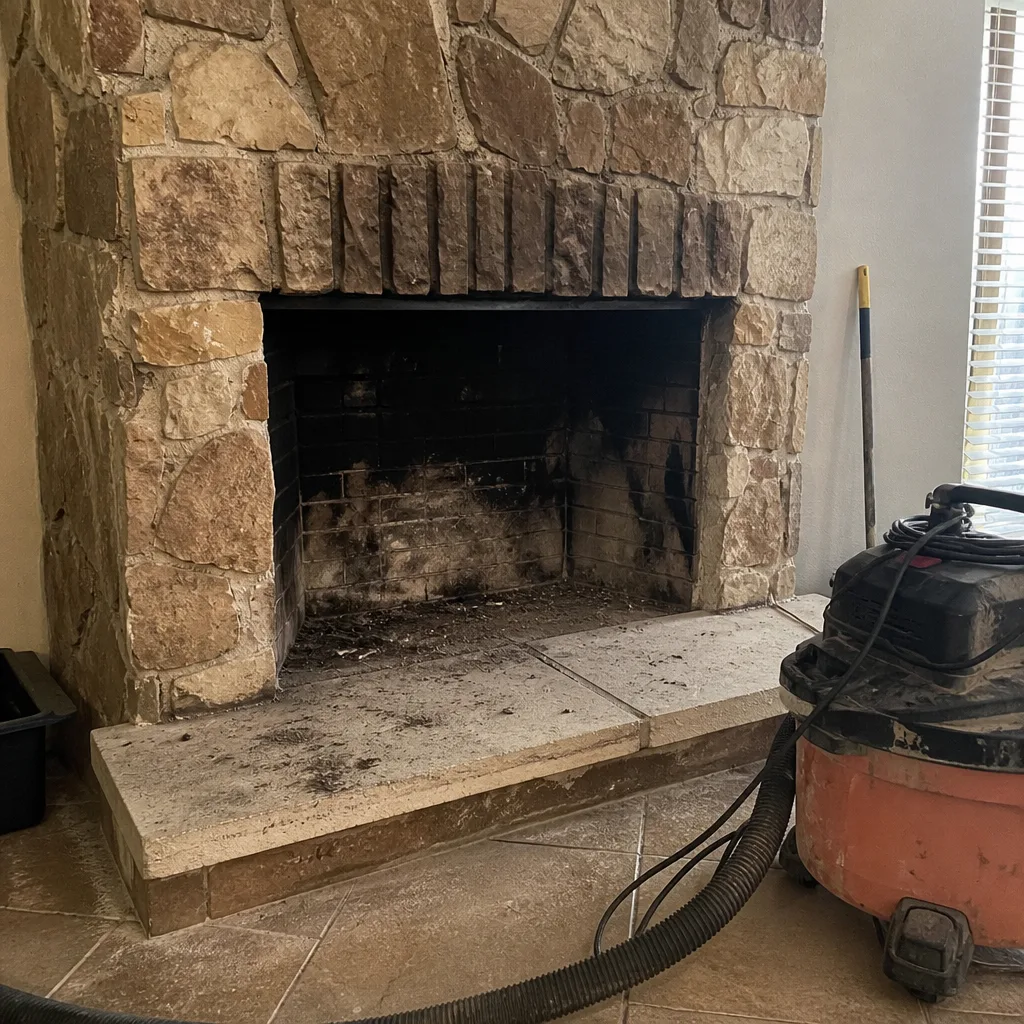 Before
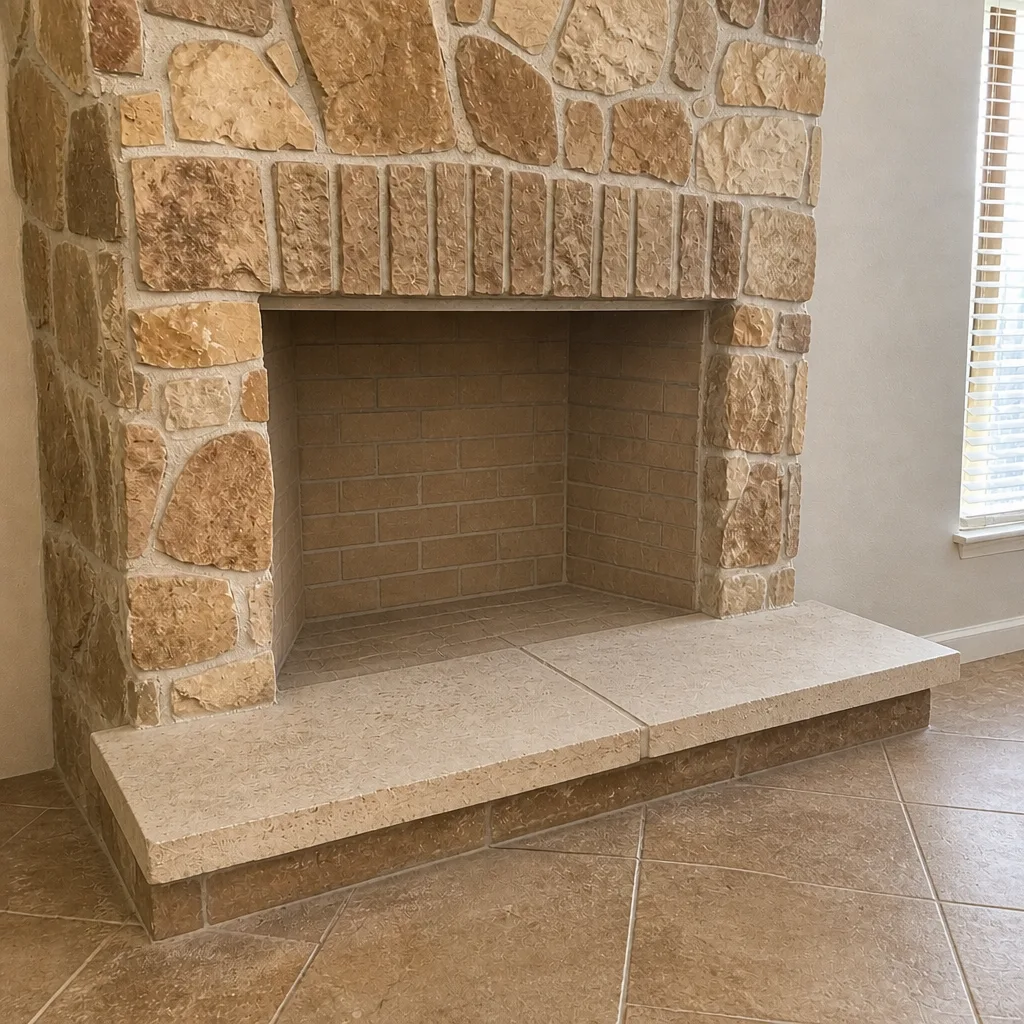 After
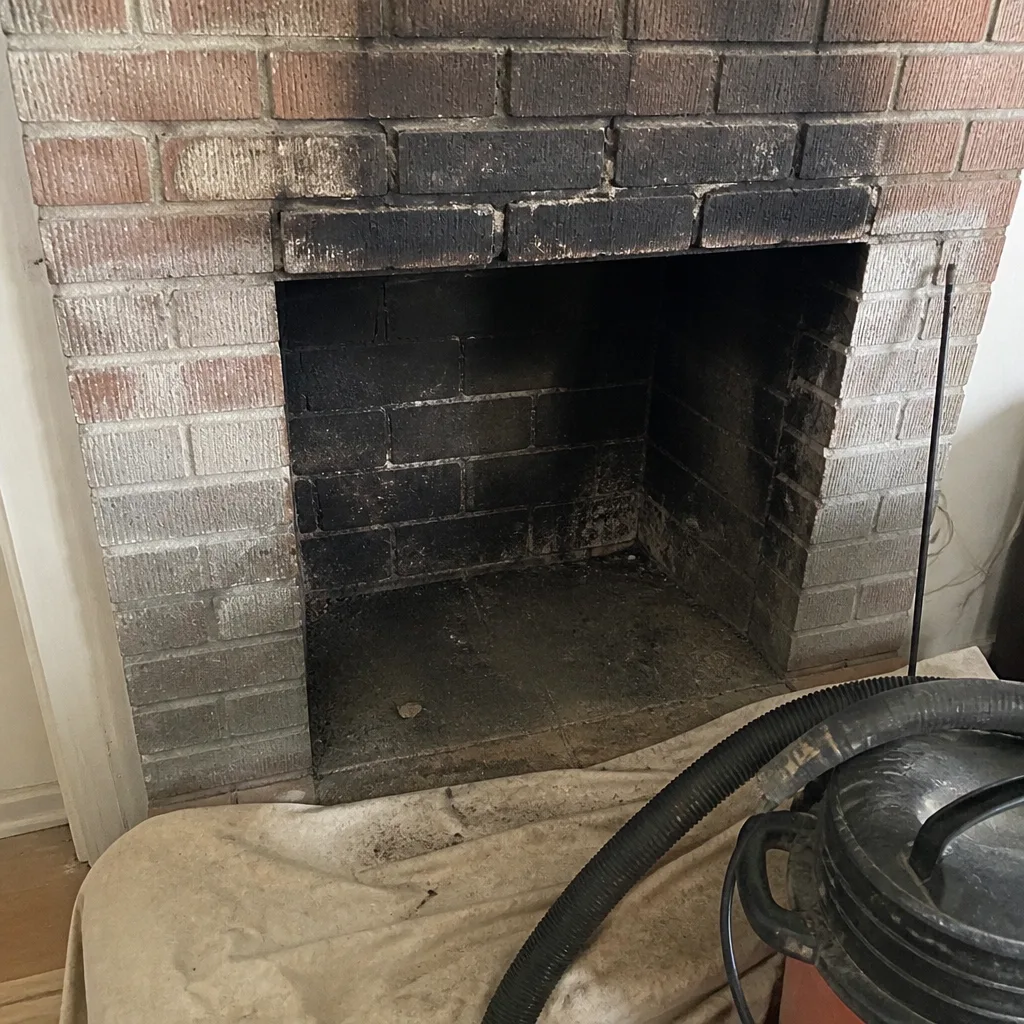 Before
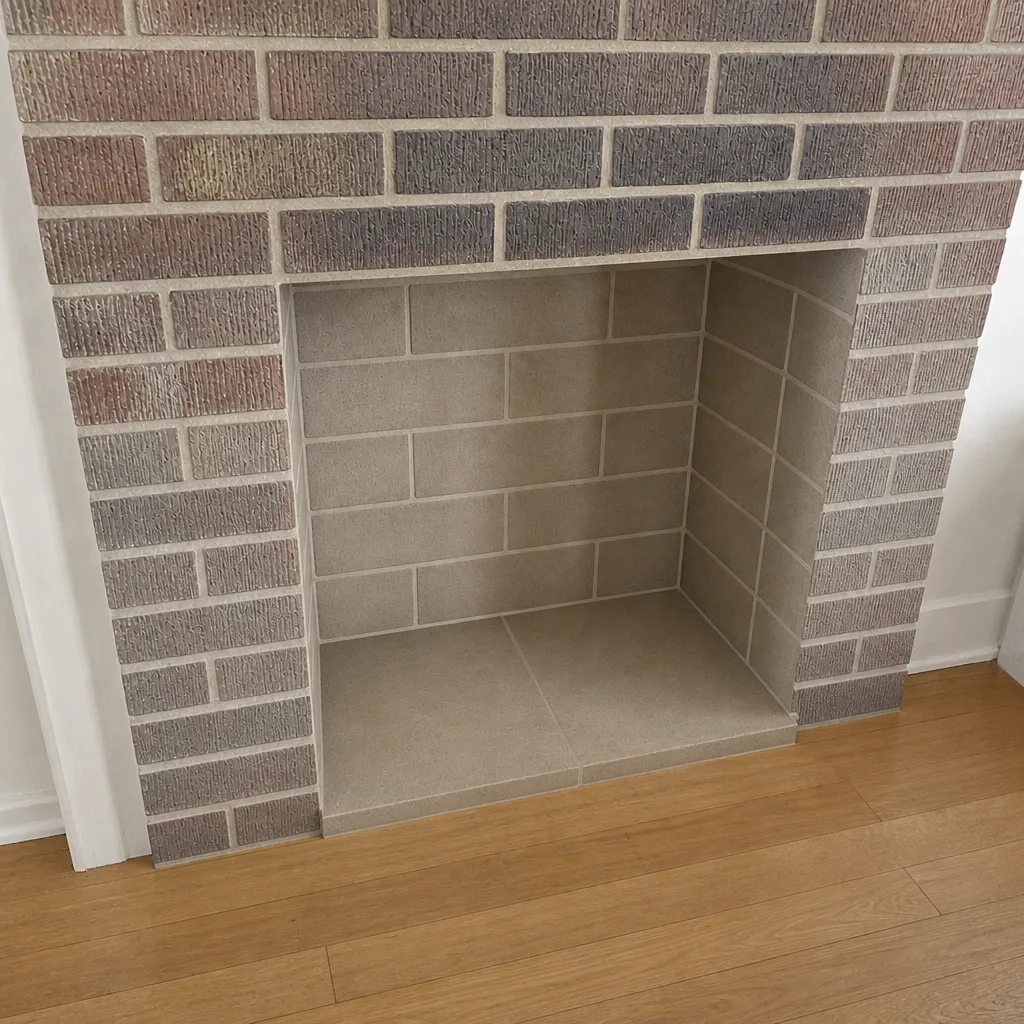 After
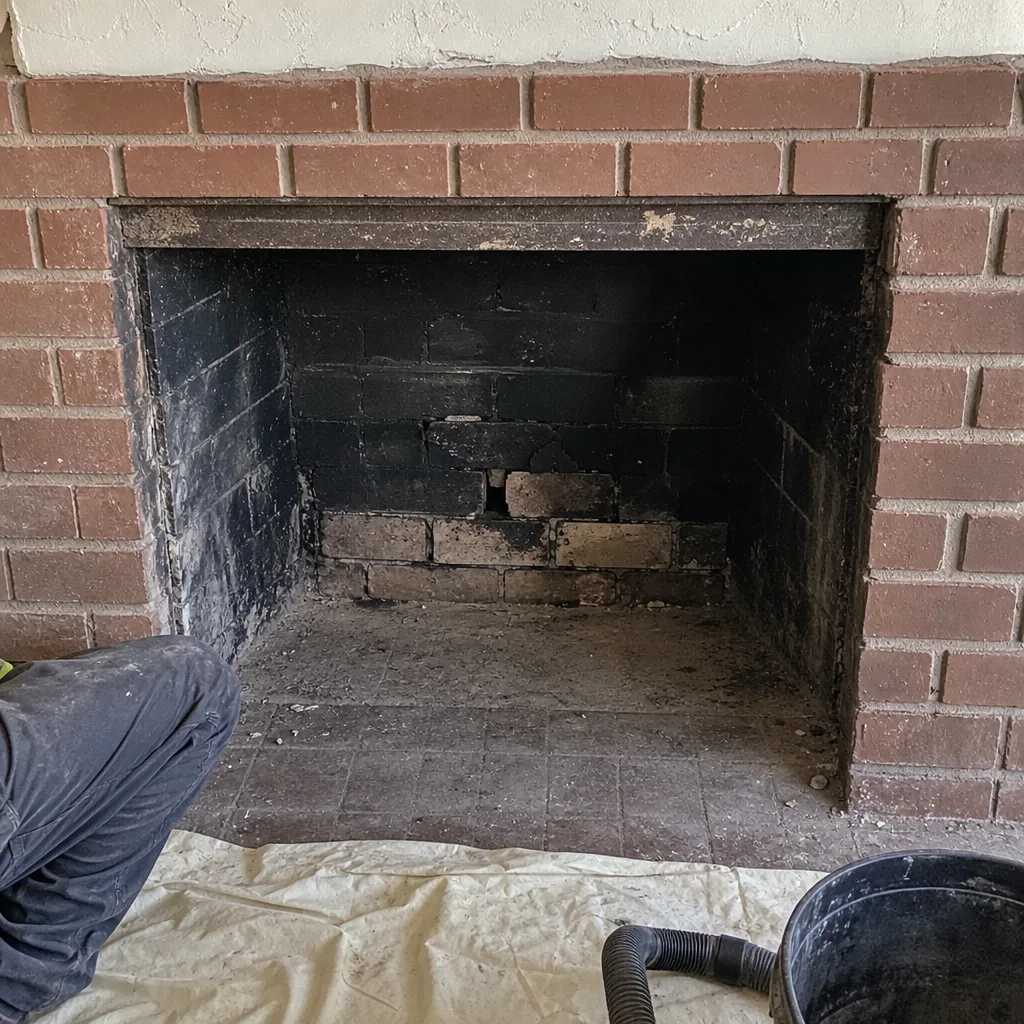 Before
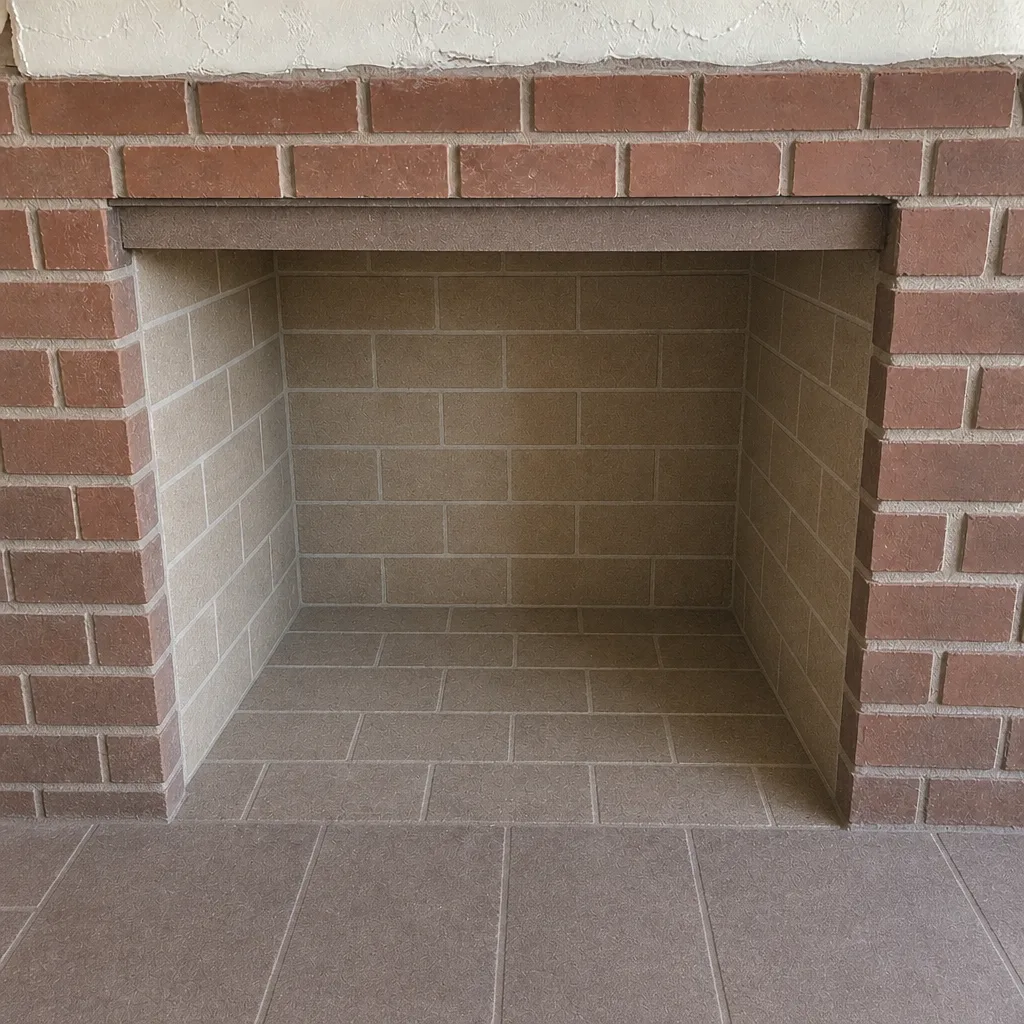 After
When to Call a Professional
Call a professional if you’ve never had the chimney inspected, if it’s been more than a year since the last sweep, or if anything about the system has changed – a new appliance, a liner you’re unsure about, smoke that doesn’t draw cleanly upward. Call immediately if you’ve had a chimney fire, if water is entering the firebox, or if you hear animals in the flue. Those are situations where the inspection needs to happen before the next burn, not after. Cape Coral Chimney Sweep offers free estimates in Cape Coral – call (888) 247-9034. One call covers inspection, cleaning, and repair, with no handoffs between contractors, and the written estimate sets the price.
Frequently Asked Questions
A standard sweep with a Level 1 inspection typically runs in the low hundreds of dollars, and the written estimate sets the final price. Flue configuration, creosote level, and any obstruction affect the range. Call (888) 247-9034 for an exact quote – estimates are free.
Only if the inspection shows the existing liner has failed – cracked tiles, gaps, or deterioration the camera can document. Nothing is recommended without evidence you can see, and we say plainly when a repair can safely wait. Call (888) 247-9034 to have the flue looked at and get a straight answer.
Once a year for any chimney, regardless of how often you burn. The annual visit covers the sweep and the inspection, and the inspection is what catches moisture damage before it becomes structural. Call (888) 247-9034 to book the yearly sweep.
Creosote keeps building, moisture keeps working on the crown and liner, and small problems get the time they need to grow into expensive ones. A chimney fire and carbon monoxide exposure are the serious risks; a cracked crown and water-damaged masonry are the more common outcomes. Call (888) 247-9034 before the next burning season.
Because this climate degrades chimneys from the outside in. Humidity, rain, and biological growth attack the masonry and the liner year-round, and occasional cool burns leave more creosote per fire than hot ones. The yearly visit is a moisture check as much as a cleaning.
A surface sweep brushes the flue and stops there. A full-service cleaning covers the firebox, damper, smoke chamber, and flue, includes an inspection of the crown, flashing, and liner, and produces a documented report with photos. Ask for the report before booking.
The Bottom Line
Chimney cleaning in Cape Coral is a moisture-management job as much as a soot-removal one. The chimneys that hold up here are the ones that get an annual sweep, a genuine inspection of the crown, flashing, and liner, and repairs made with manufacturer-grade materials when something fails. It’s also the simplest way to keep a low-use fireplace safe to light when you want it. We work on chimneys, and nothing else – the technician who inspects your flue isn’t splitting time between roofing and gutters. Call (888) 247-9034. We answer 24/7, and fast dispatch runs 7am-7pm, Sunday through Friday. Estimates are free, and the written estimate sets the price.
Written by the team at Cape Coral Chimney Sweep.