
Last updated November 15, 2026
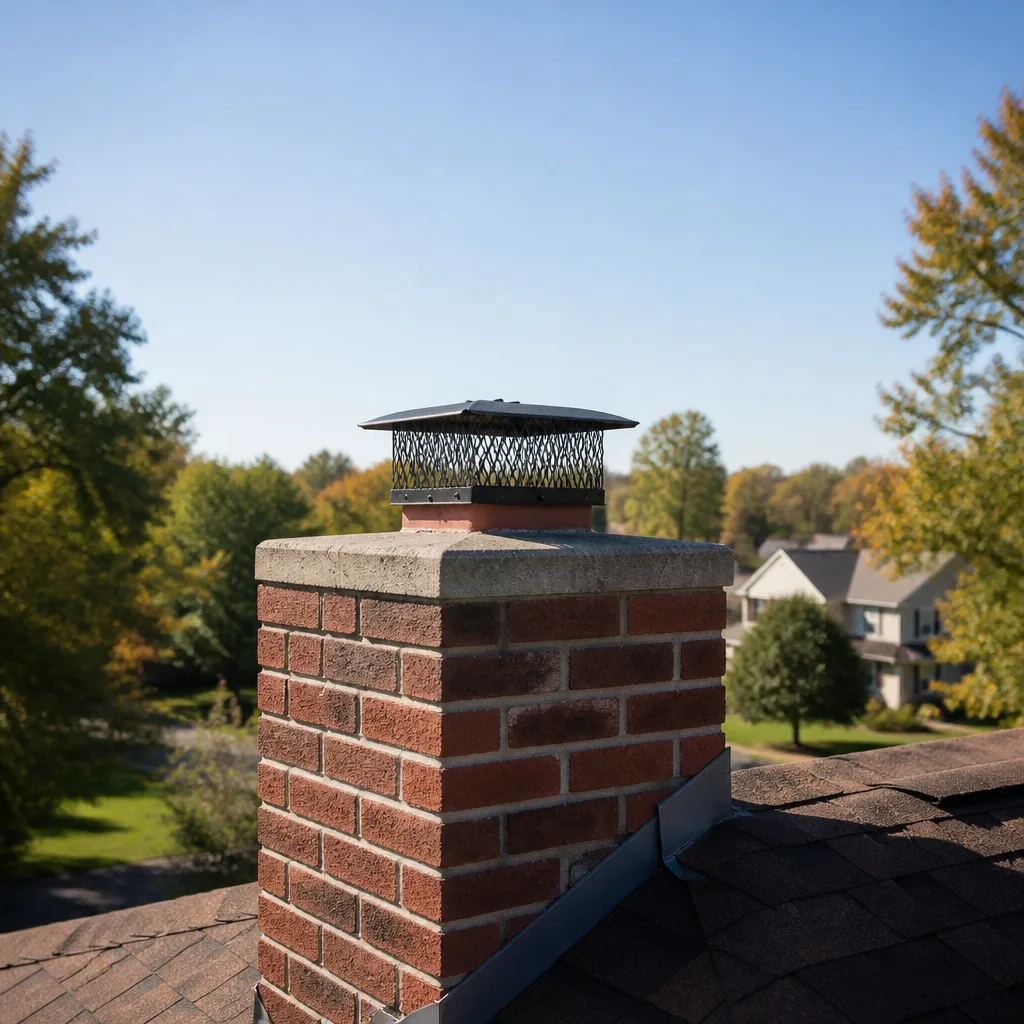 Sweep & inspection
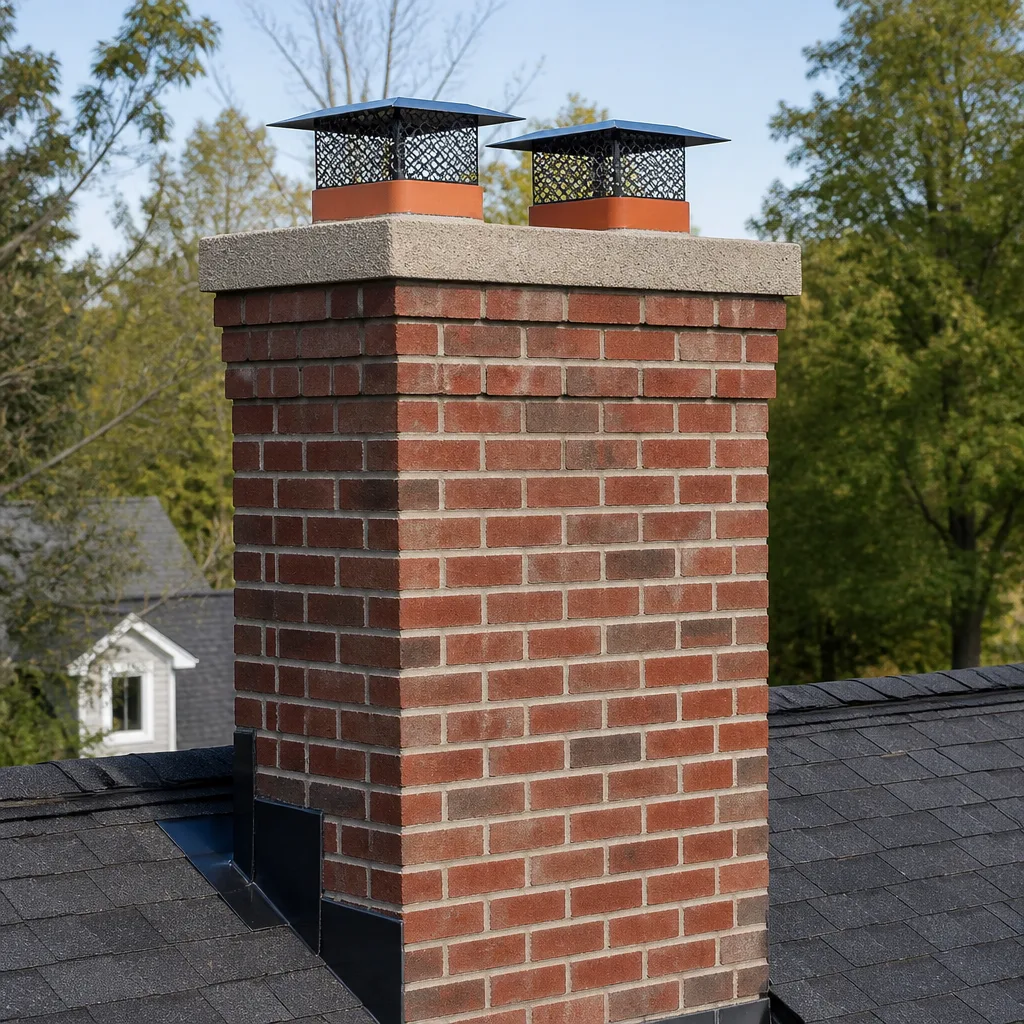 Caps & crowns
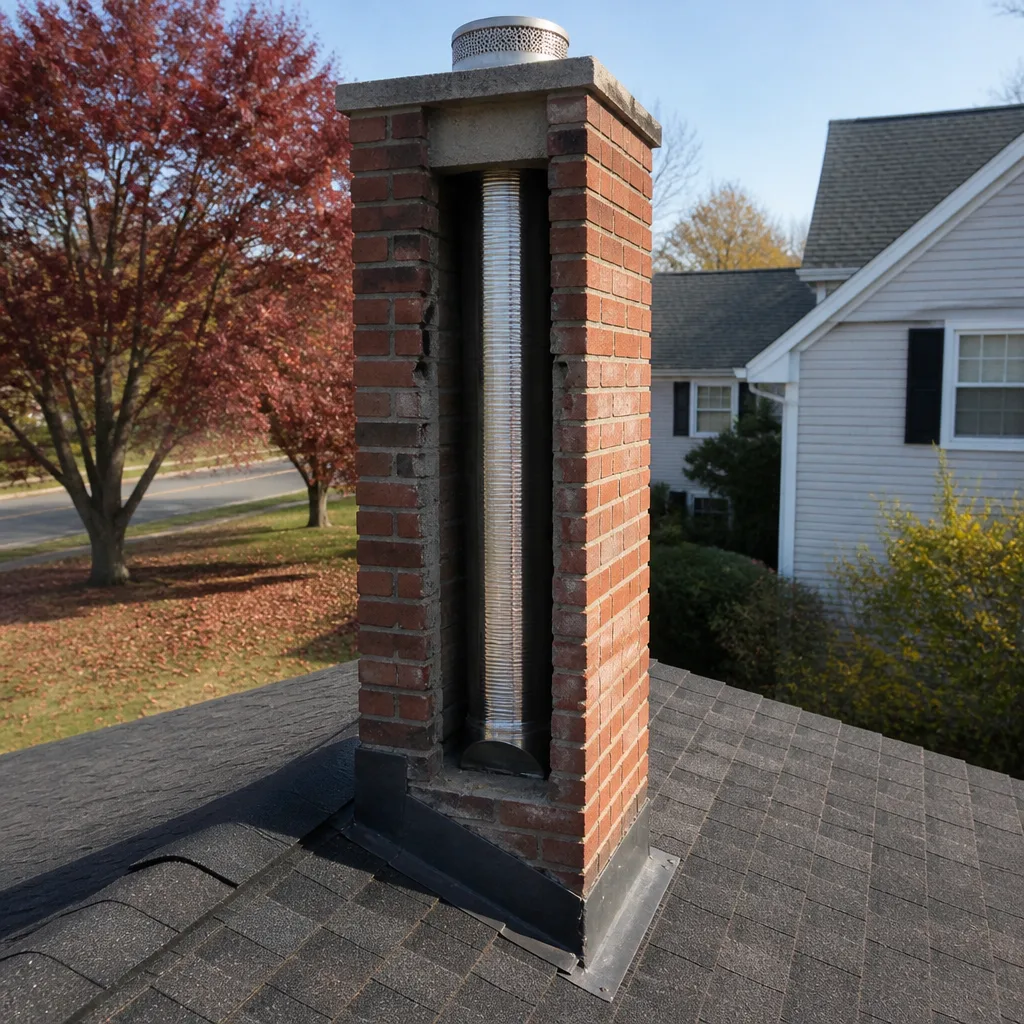 Flue relining
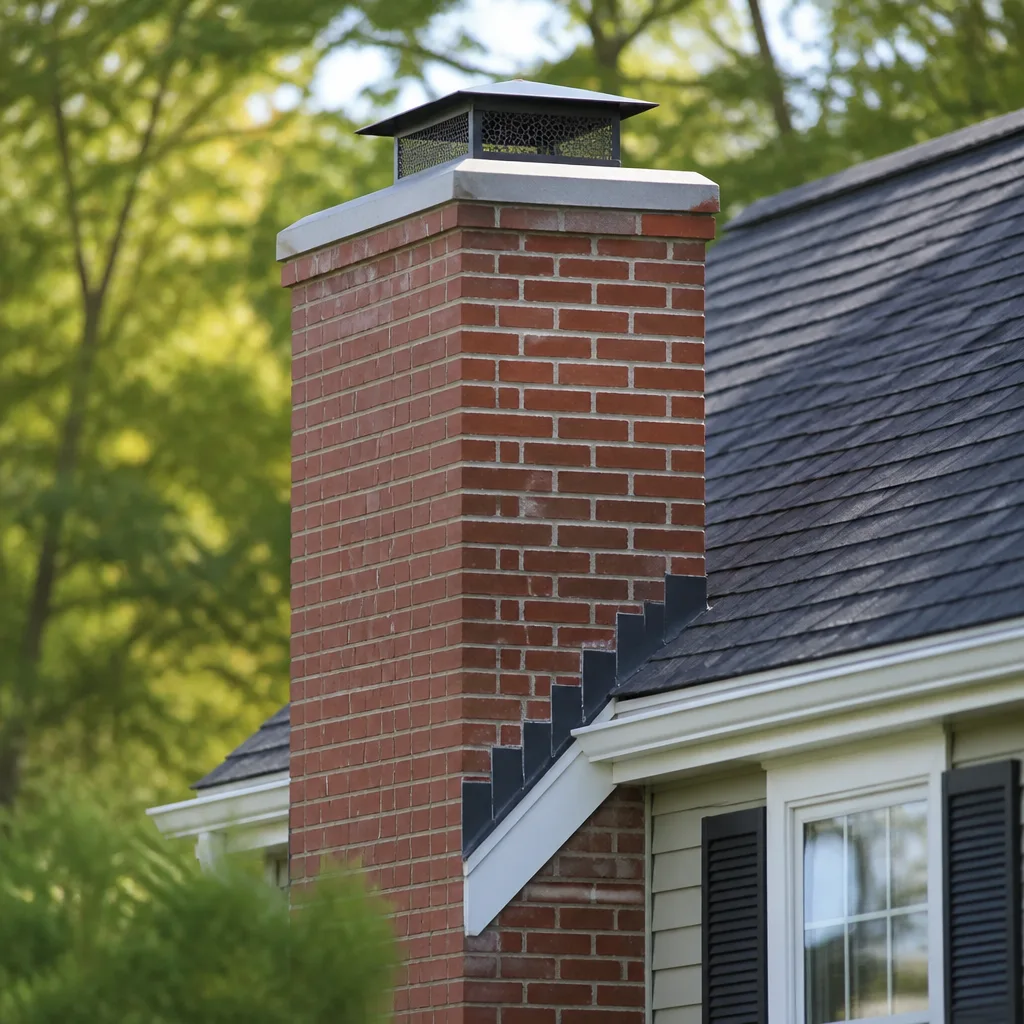 Masonry repair
 Gas fireplace service
Level 1 sweep and inspection to the NFPA 211 annual standard - flue, crown, cap, and flashing checked and photographed
Chimney sweep logs do not sweep chimneys. They loosen some creosote - which then falls where a brush and vacuum still have to collect it.
Chimney Sweep Troubleshooting in Cape Coral: Common Problems and How to Fix Them
Most people assume fire is what ruins a chimney. In Cape Coral, it’s water. We average over 50 inches of rain a year, and a surprising share of the chimney problems we diagnose start at the top of the flue and work their way down. If your fireplace is smoking, smelling, or staining the masonry, there’s a good chance the culprit came in through the cap or the crown rather than out of the firebox. This guide maps the symptoms you’re seeing to the causes we actually find in Cape Coral homes, and it tells you which problems you can watch and which ones mean you stop lighting fires until someone looks at it.
Quick Answer
Most chimney problems in Cape Coral trace back to water intrusion, negative pressure from tightly sealed homes, or animal nesting, not to fire damage. Smoke rollback is usually a pressure or flue-sizing issue rather than a blockage, and white staining on the exterior is your first clue that water is getting in. Anything involving cracked flue tiles, a damaged crown, or a strong creosote smell needs a technician on-site before the fireplace is used again.
Styles & brands we work with
- Sweep & inspection
- Caps & crowns
- Flue relining
- Masonry repair
- Gas fireplace service
Table of Contents
- Why Does Smoke Roll Back Into the Room?
- What Do White Stains on the Chimney Mean?
- Why Do Birds and Palmetto Bugs Get Into Chimneys Here?
- Warped Damper or Undersized Flue: Telling Them Apart
- Creosote, Soot, and the Rain That Makes Them Worse
- What You Can Monitor vs. What Needs a Technician
- Seasonal Troubleshooting for Southwest Florida
Why Does Smoke Roll Back Into the Room?
Smoke rollback in Cape Coral is frequently a negative-pressure problem, not a blocked flue. Modern homes are built and sealed tight for air conditioning efficiency, and that tightness works against a chimney. When a house can’t pull enough make-up air from outside, the fireplace competes with exhaust fans, dryer vents, and range hoods for the air it needs to draft. The result is smoke that spills into the room even though the chimney is completely clear.
We see this pattern often in newer construction and in homes that have had windows or doors upgraded. The house got more efficient, and the chimney lost the leaky-air path it used to rely on. A few symptoms point to pressure rather than blockage:
- Smoke rolls out mainly when the kitchen or bath exhaust fan is running.
- The fire burns fine with a nearby window cracked open.
- Problems show up on still, humid days more than windy ones.
- Smoke starts strong at lighting and eases once the flue warms.
If those match what you’re seeing, the fix usually involves improving the draft path rather than cleaning a blocked flue. Sometimes it’s as simple as a different lighting routine and a slightly open window during startup. Other times the flue needs help from a properly sized liner or a draft-improving cap. A flue that’s too large for the appliance, or a short flue that doesn’t get enough heat, both lose draft. Because smoke rollback has several possible causes that look alike, a camera inspection is the reliable way to rule out blockage before you assume it’s pressure. If a fire has burned in a chimney with a damaged liner, we don’t want you guessing.
The wrong move is to keep lighting fires and hoping it clears up. Repeated rollback pushes smoke and carbon monoxide into living space. For a chimney in Cape Coral, sorting pressure from blockage early saves money and avoids a bigger repair later.
What Do White Stains on the Chimney Mean?
White, chalky staining on a chimney’s exterior is efflorescence, and it’s a reliable early sign that water is getting into the masonry. Efflorescence forms when water moves through brick or mortar, dissolves salts inside the material, and deposits them on the surface as it evaporates. The stain pattern itself tells you where the water is entering, which is where troubleshooting gets useful.
Here’s how to read it:
- Staining at the very top of the stack: the crown is the likely source. A cracked or poorly sloped crown lets rain pool and seep down into the brick below it.
- Staining in a vertical band or around the roofline: suspect the flashing where the chimney meets the roof. Failed flashing channels water straight into the masonry.
- Staining spread evenly across the whole face: moisture is wicking through mortar joints over a wide area. Repointing or a water-repellent treatment is usually part of the answer.
- Staining with dark streaks mixed in: water plus soot or creosote, which means moisture is reaching the flue interior, not just the shell.
Efflorescence on its own isn’t an emergency. It’s a message. The problem is that the message gets ignored until the water damage gets expensive, which in a rainy climate like Cape Coral’s happens faster than most homeowners expect. Once water gets into the masonry and freezes aren’t a factor, the damage still spreads through spalling brick and crumbling mortar. Water that reaches the flue can rust a damper, degrade a liner, and soak creosote, which makes the whole system smell. When we look at a stained chimney, we check the crown, flashing, and mortar joints in that order, then confirm from the inside with a camera. That’s how we avoid selling a crown rebuild to someone whose real leak is a failed flashing detail.
Why Do Birds and Palmetto Bugs Get Into Chimneys Here?
Chimneys in Southwest Florida host wildlife at rates far higher than northern states, and the reason is simple. Our mild winters give birds, squirrels, and palmetto bugs months of comfortable nesting weather. None of them have to survive a hard freeze to move in, so a chimney becomes a year-round shelter rather than a seasonal one. Palmetto bugs in particular work their way into flues and fireboxes looking for warmth and moisture, and they don’t need much of a gap.
Nearly all of these intrusions trace back to one of three cap failures:
- No cap at all. An open flue is an open invitation. This is the most common failure we find.
- A cap with rusted or missing mesh. The frame survives while the screen fails, leaving gaps big enough for birds.
- A loose or poorly fitted cap. Wind lifts it, or the fasteners worked loose, and now there’s a gap between the cap and the flue.
A proper cap with tight mesh closes the door. When we install one, we use a model from a manufacturer like Olympia Chimney so the fit and hardware are engineered for the flue, not improvised. The mesh size matters: a screen that’s too coarse blocks birds but lets palmetto bugs and debris through, and a screen that’s too fine clogs with soot fast. If animals have already nested in your chimney, the nest has to come out before you light a fire. Animal nesting also means you should expect droppings and nesting material in the smoke chamber, not just the flue, and a normal sweep sometimes isn’t enough until that’s cleared. A capped, sealed flue is also your first line of defense against rain entering from the top, which brings us back to the theme of this whole guide.
If you smell something musty or hear scratching after a quiet spell, get the chimney checked before the burn season starts. Cape Coral homes with an uncapped flue rarely stay empty for long.
Warped Damper or Undersized Flue: Telling Them Apart
Two different draft problems produce similar symptoms, and telling them apart saves you from paying for the wrong repair. A warped damper and an undersized flue both cause a weak or irregular draft, but they fail differently. Knowing which one you have starts with your firebox.
A damper is a metal plate at the base of the flue that opens and closes to control airflow. Over time, heat and moisture warp it. When it warps, it no longer seals flush or opens fully, so you get a draft that’s fine one moment and weak the next. Rust is the tell here. In Cape Coral, a damper that has been rained on through an open or uncapped flue will rust and stick. If your damper is visibly warped, rusted, or hard to operate, that’s a damper problem.
An undersized flue is different. It’s a sizing issue that shows up as chronic weak draft regardless of what the damper does. The rule of thumb in our trade compares the flue’s cross-sectional area to the firebox opening. A flue that’s too small for the firebox can’t move the volume of smoke the fire produces, so smoke lingers and spills. This is a permanent condition, not something that changes day to day, and it’s often found in older masonry fireplaces or after an appliance change.
Quick way to tell them apart:
- Open the damper fully and watch. If the draft improves sharply, the damper was the restriction.
- If draft stays weak with the damper wide open, suspect flue size or a blockage.
- Check for a fully open position. A damper that won’t open flat is warped or jammed.
- If the fireplace has always been weak, not just lately, sizing is the likely cause.
Only a camera inspection confirms the answer. Liner work addresses sizing problems, and we use flexible systems like DuraFlex because they follow the offsets and bends in older flues that rigid liners can’t. Getting the diagnosis right means you pay for the fix you actually need.
Creosote, Soot, and the Rain That Makes Them Worse
Creosote is the natural byproduct of burning wood, and it builds up in every chimney that sees regular fires. It comes in stages, from light soot to a glazed, hardened deposit that’s difficult to remove. The trouble in a climate like Cape Coral’s is that water and creosote don’t mix well. Moisture that enters from the top or condenses inside the flue combines with creosote, and the result is a corrosive, smelly coating that damages the flue and makes the whole house smell like a fire pit.
We recommend a sweep before each burn season. For homes that burn regularly, that’s once a year. If you burn a lot, or you’ve noticed a strong smell or reduced draft, sooner. Here’s what a proper sweep involves:
- A visual check of the firebox, damper, and smoke chamber before anything else.
- Protective sheeting around the fireplace so soot stays contained.
- Brushing the flue with the right brushes for the liner type, top to bottom.
- A camera run of the flue to confirm the walls are clean and intact.
- A photo report so you can see what we saw.
That last step matters more than people realize. You shouldn’t have to take our word for what’s inside your chimney. A camera inspection with photos lets you see the condition of the flue yourself. When creosote has eaten into the flue lining and caused cracks, cleaning alone won’t solve it. That’s when repair work comes in, which is a different job from a sweep. Our chimney sweep service handles cleaning and inspection together, so the findings and the fix line up.
One more note on rain: a capped flue stays dry, and a dry flue collects creosote that sweeps cleanly. A wet flue collects creosote that hardens. Everything in this guide ties back to keeping water out of the system.
What You Can Monitor vs. What Needs a Technician
Some chimney symptoms are safe to watch. Others mean you stop using the fireplace until a technician has been on-site. The line between the two comes down to whether the problem can compromise the flue or push combustion gases into the house. Here’s how we draw it.
Safe to monitor on your own:
- Occasional thin smoke at startup that clears once the flue warms.
- Light efflorescence with no spalling brick or crumbling mortar.
- A slightly stiff damper that still opens fully.
- An unfamiliar smell after a long stretch without a fire.
Keep an eye on these and note when they happen. That history helps a technician diagnose faster.
Stop and call a technician before lighting another fire:
- Smoke or carbon monoxide appearing in living space.
- Cracked or missing flue tiles seen on camera or through a cleanout.
- A strong creosote smell that won’t clear, especially with visible glazing inside the flue.
- Loose or missing mortar between bricks on the exterior, with spalling.
- A damaged crown or flashing that’s actively letting water in.
- Any sign of a bird or animal nest in the flue.
These are the situations where guessing costs money or safety. A cracked liner can let heat and carbon monoxide reach parts of the structure that weren’t built for it. We treat any of the symptoms on that second list as a reason to inspect and confirm before you burn again. Our chimney repair service exists for exactly these findings, and it covers the whole repair job rather than a patch. When restoration makes more sense than a full rebuild, we use HeatShield, a liner restoration system that extends the flue’s working life without tearing it apart. The right call depends on what the camera shows, and we won’t recommend major work without showing you why.
Seasonal Troubleshooting for Southwest Florida
Chimney care in Cape Coral follows a different calendar than it does up north. Our burn season is shorter and centered on the cooler months, and the wet season does most of the damage. The trick is to time inspection and cleaning so they happen before the fires start and after the rains have had their say.
Think about the year in two halves. In the wet months, the chimney takes on water through any weakness at the top. That’s when you’re most likely to notice efflorescence, a smell in the house, or a damp firebox. In the dry, cooler months, the fireplace gets used, creosote builds, and any draft problems that were quietly developing show themselves as smoke rollback. A sweep booked before the burn season catches the creosote from the last season and lets us check for the water damage the wet months caused.
A sensible sequence for a Cape Coral homeowner:
- Look at the exterior after heavy rain. Note any new staining or spalling.
- Check the cap and mesh. Confirm it’s secure and intact before the burn season.
- Book an inspection and sweep before you plan to light the first fire of the season.
- Run the fireplace on a cool evening and watch for rollback or a weak draft.
- Act on any finding from the inspection before regular burning.
The main message is that in this climate, water does the slow damage and fire just reveals it. Getting the Cape Coral sequence right means fewer surprises and a safer burn season. The earlier you catch a leak, the smaller the repair.
Common Mistakes to Avoid
- Assuming smoke means a blocked flue. In tight modern Cape Coral homes, it’s often a pressure problem. Cleaning a clear flue wastes money and leaves the real cause in place.
- Ignoring efflorescence because it looks like surface dirt. That white staining is a water-entry signal. Left alone, it becomes spalling brick and costly repairs.
- Running the fireplace with no cap. An open flue invites birds, palmetto bugs, and rain. A proper cap is one of the least expensive fixes with the biggest payoff.
- Burning before a nest or debris is cleared. Nesting material and debris restrict the flue and can catch fire. Clear it before you light anything.
- Treating a warped damper and an undersized flue as the same problem. They look alike, but one is a damper repair and the other is a liner issue. Diagnose before you spend.
- Burning wet or green wood to save money. It creates more creosote and more moisture inside the flue. Dry, seasoned wood burns cleaner and reduces the buildup.
- Waiting for a problem to become severe before booking a sweep. An annual sweep before the season is cheaper than a repair after damage. Catching things early is the whole point.
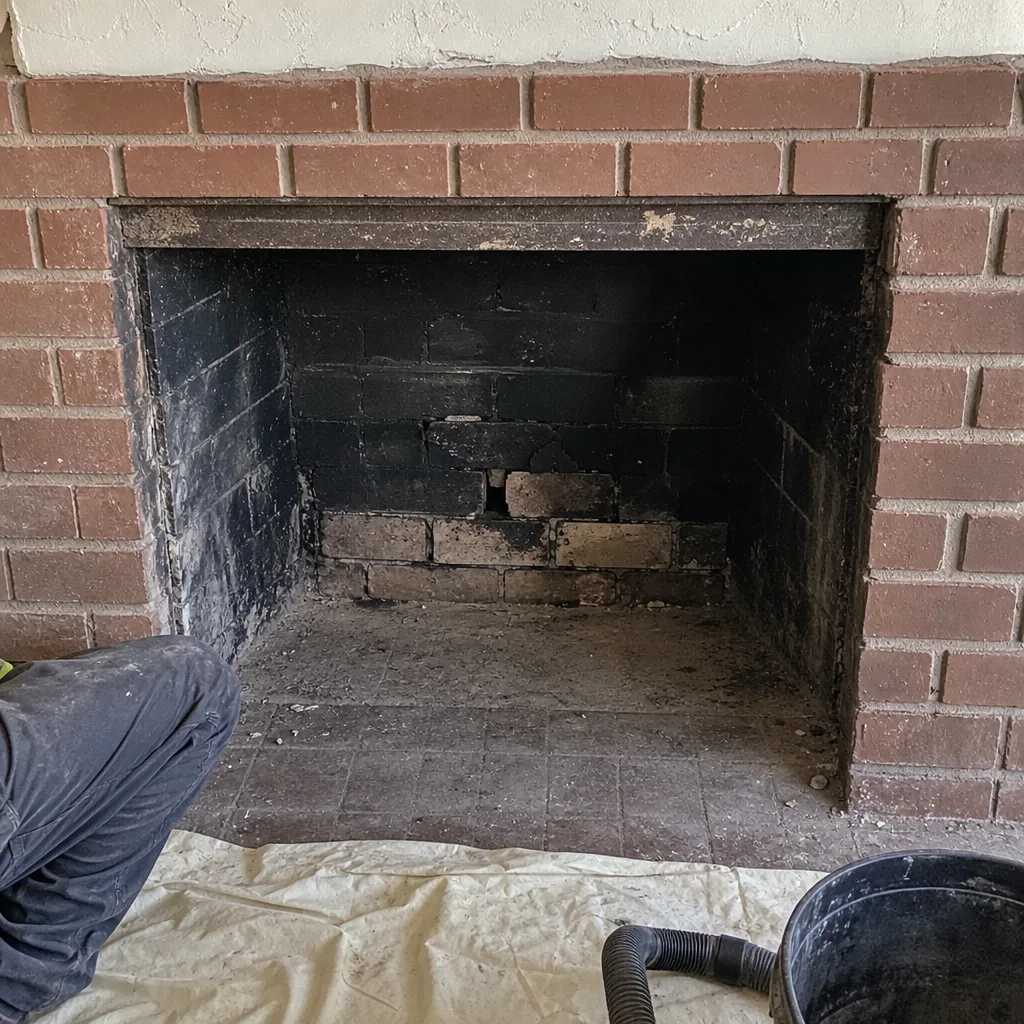
See the difference
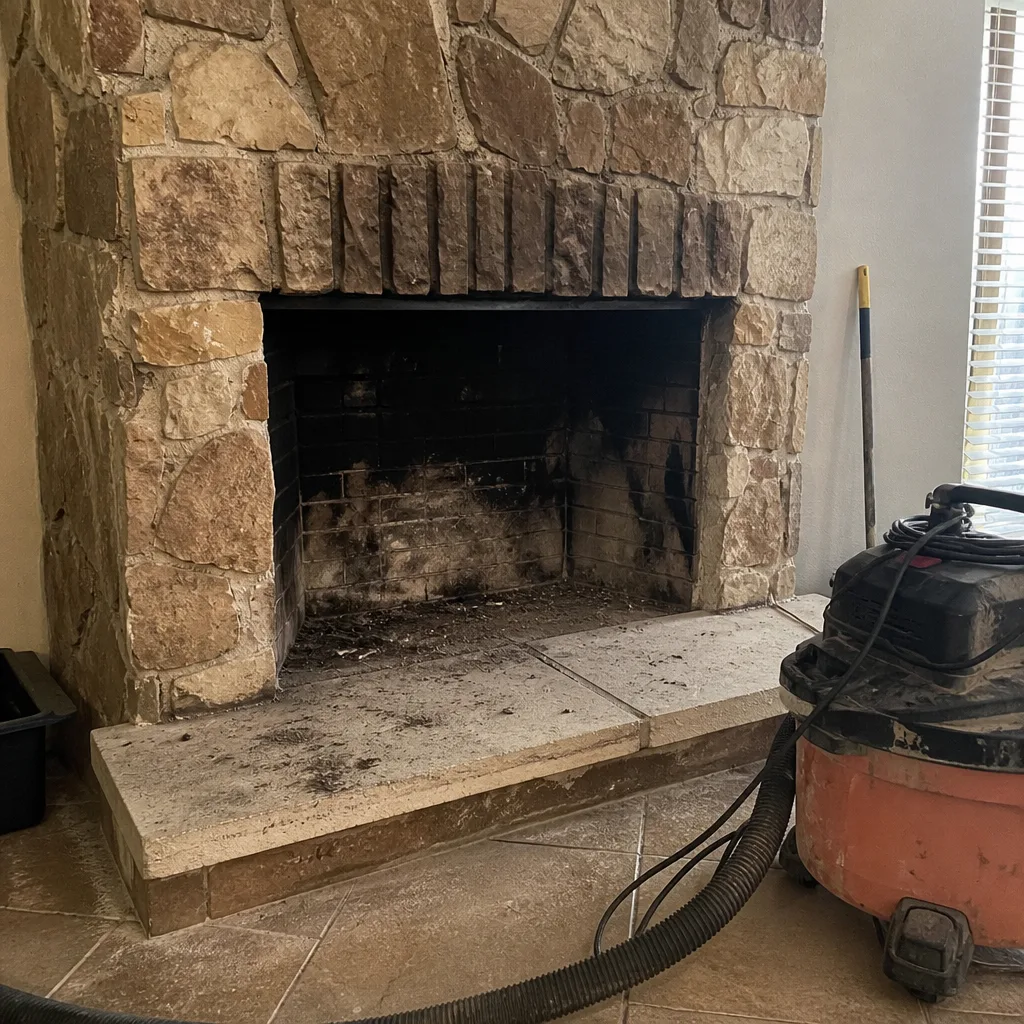 Before
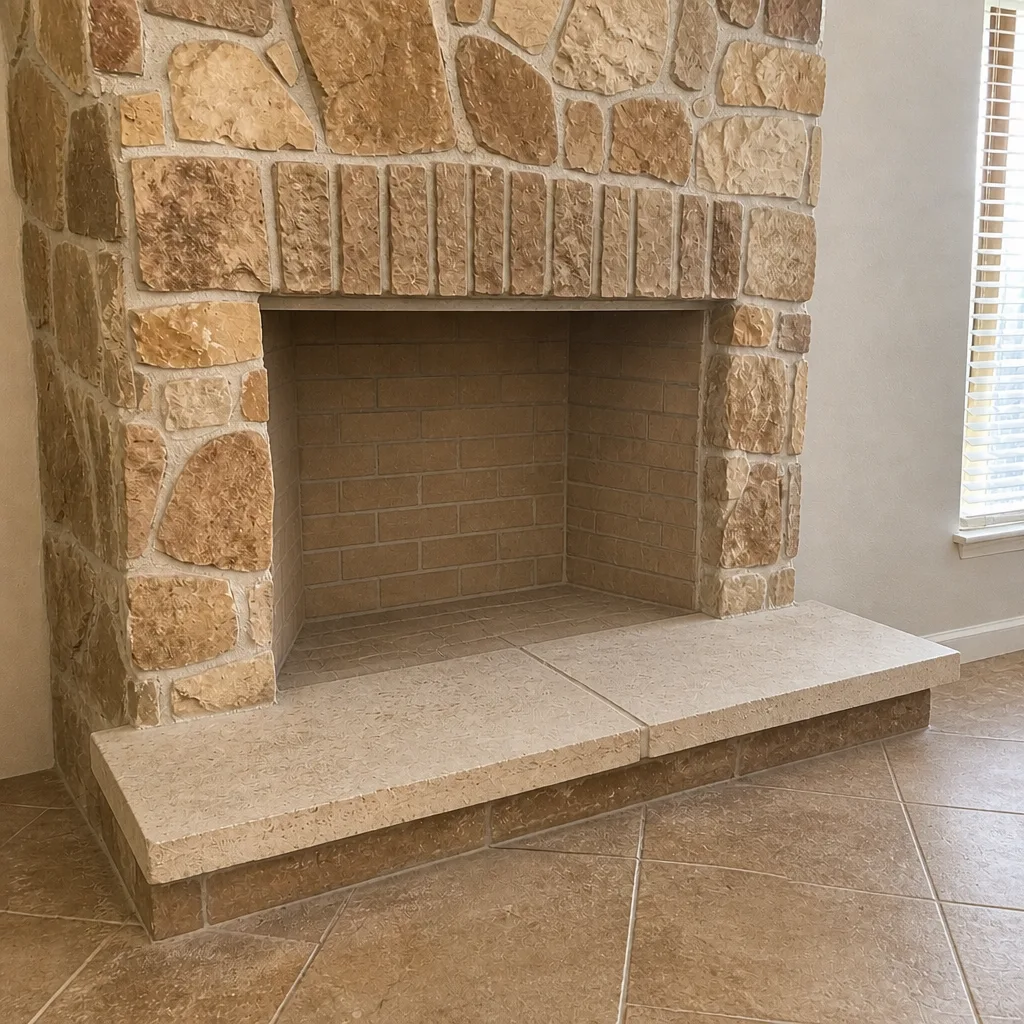 After
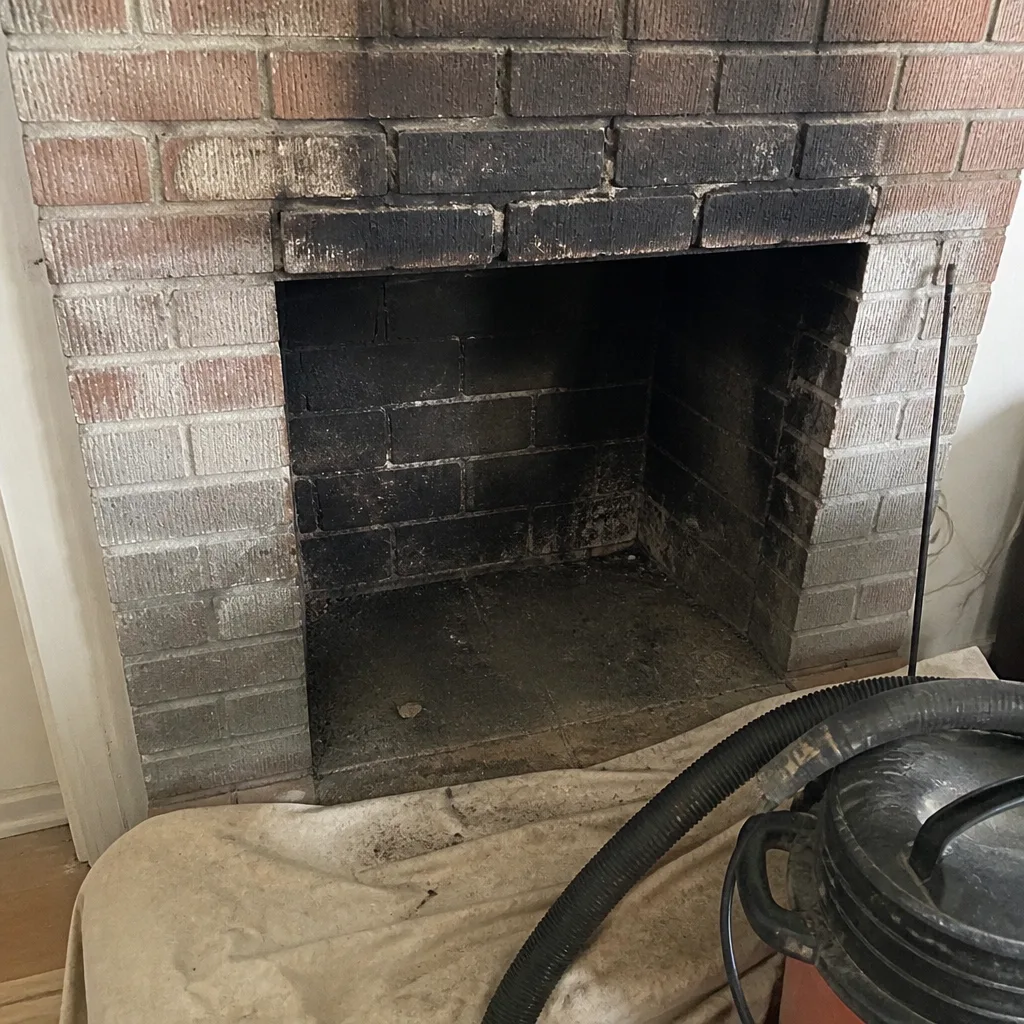 Before
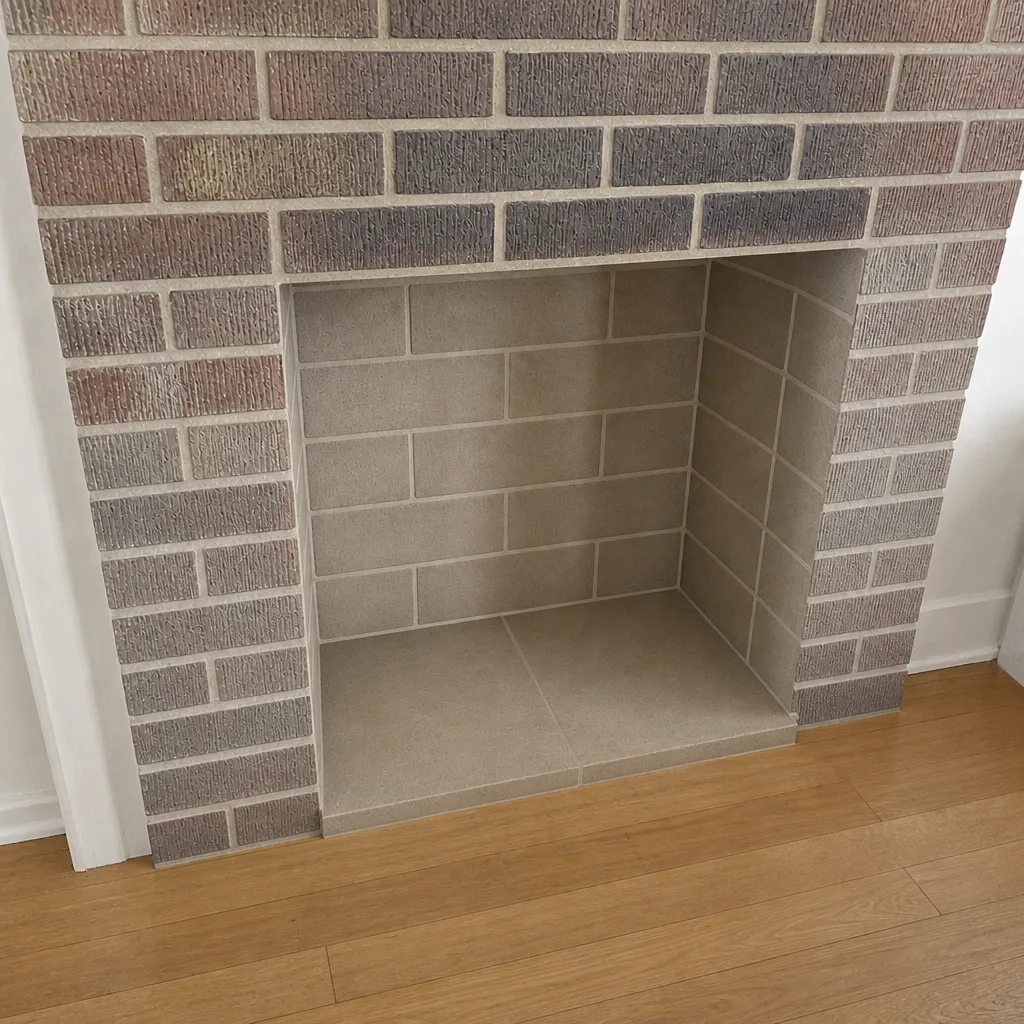 After
 Before
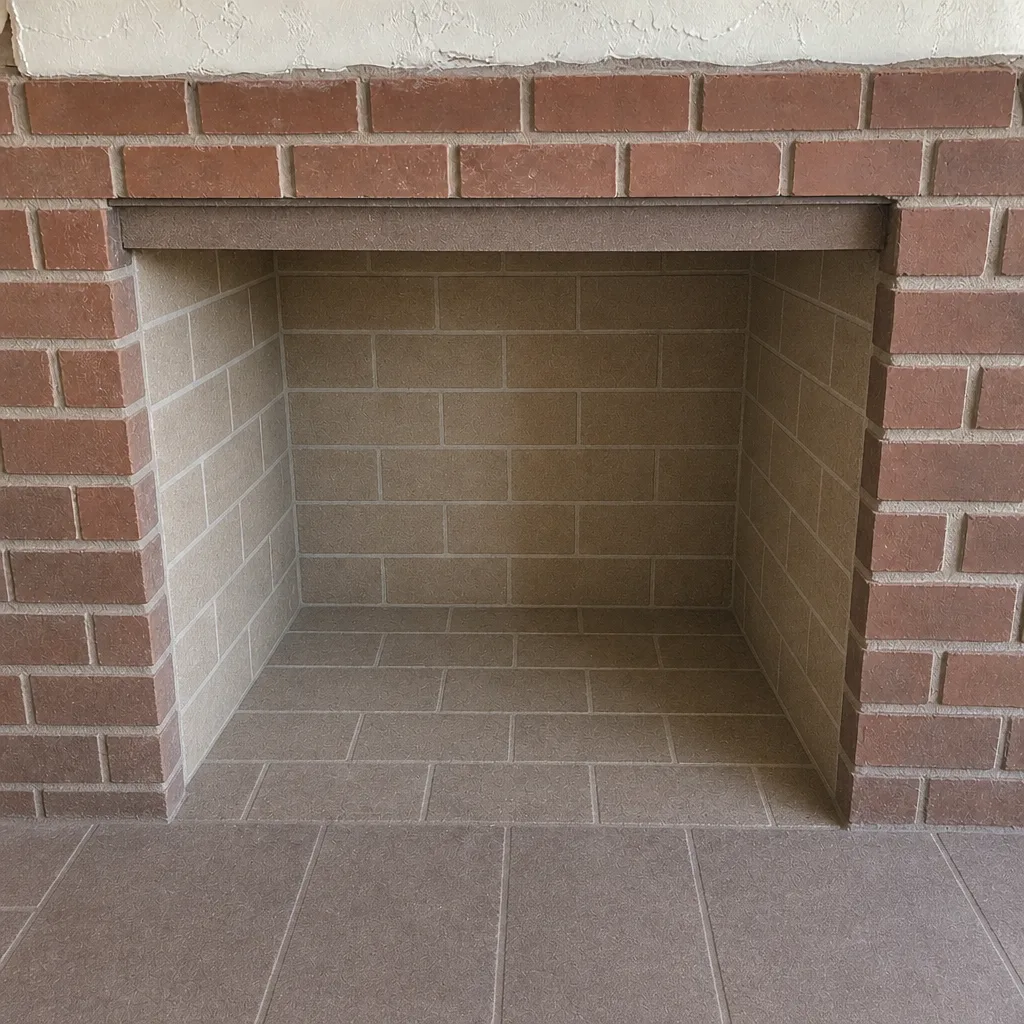 After
When to Call a Professional
Call a professional whenever a symptom points to a structural or safety issue: smoke or carbon monoxide entering the room, cracked flue tiles, spalling brick with a damaged crown, a strong creosote smell, or any sign of animal nesting in the flue. Call when you can’t tell whether rollback is pressure or blockage, because a camera inspection settles it. Call if you’ve moved into a Cape Coral home and don’t know when the chimney was last inspected, or if you’re switching fuel types. And call before the burn season even if nothing seems wrong, because an inspection is the cheapest way to find the small problems before they turn into big ones.
Cape Coral Chimney Sweep offers free estimates in Cape Coral. Our technicians have up to 9 years of experience, and we work on chimneys exclusively. Call (888) 247-9034. We answer 24/7. Fast dispatch from 7am to 7pm, Sunday through Friday.
Frequently Asked Questions
Smoke rollback happens when negative pressure in the house pulls smoke back down the flue, which is common in tightly sealed Cape Coral homes. When exhaust fans or a sealed envelope starve the fireplace of make-up air, the draft reverses even with a clear chimney. Crack a window during startup to test the theory, then get a camera inspection to rule out blockage before assuming it’s pressure.
White, chalky stains are efflorescence, and they mean water is moving through the masonry. The stain pattern tells you where: staining at the very top points to a cracked crown, a vertical band points to flashing, and even staining across the face points to mortar joints. Fixing the source before it becomes spalling brick saves a larger repair.
Southwest Florida’s mild winters let wildlife use chimneys year-round, and a missing or damaged cap is almost always the cause. Check for a cap with no mesh, a rusted screen, or a loose fit. A properly fitted cap with tight mesh closes the door, and we install them from manufacturers like Olympia Chimney.
Once a year before the burn season for most homes, and sooner if you burn frequently or notice a strong smell or weak draft. Because our rainy season drives water damage, pairing the sweep with an inspection catches both the creosote and any moisture problem in one visit. Call (888) 247-9034 for an exact quote.
They can look alike, but they’re different problems. A warped damper fails inconsistently and improves when you open it fully, while an undersized flue causes chronic weak draft regardless of the damper. Open the damper all the way and watch the draft to start narrowing it down, then confirm with a technician.
Creosote keeps building, water keeps working into the masonry, and small cracks in the flue can grow unnoticed. Eventually draft weakens, the smell worsens, and the cost of fixing it grows. A sweep before the season is the inexpensive step that prevents the expensive one. Call (888) 247-9034 to book a sweep and inspection.
The Bottom Line
Chimney problems in Cape Coral are rarely random. They follow predictable patterns: water entering at the top, pressure fighting the draft in tight homes, and wildlife taking advantage of missing caps. Read your symptoms against those patterns and you’ll stop guessing. Light, occasional issues you can monitor. Smoke in the room, cracked flue tiles, spalling brick, or animal nesting mean you stop and call. The simplest habit that prevents most of it is a capped flue and an annual sweep before the burn season. Everything else is troubleshooting.
If you’ve got a chimney problem in Cape Coral, call Cape Coral Chimney Sweep at (888) 247-9034 for a free estimate. We answer 24/7. Fast dispatch from 7am to 7pm, Sunday through Friday. One inspection covers cleaning and a camera report with photos, so you can see exactly what needs fixing and what can safely wait.
Written by the team at Cape Coral Chimney Sweep.