
Last updated November 15, 2026
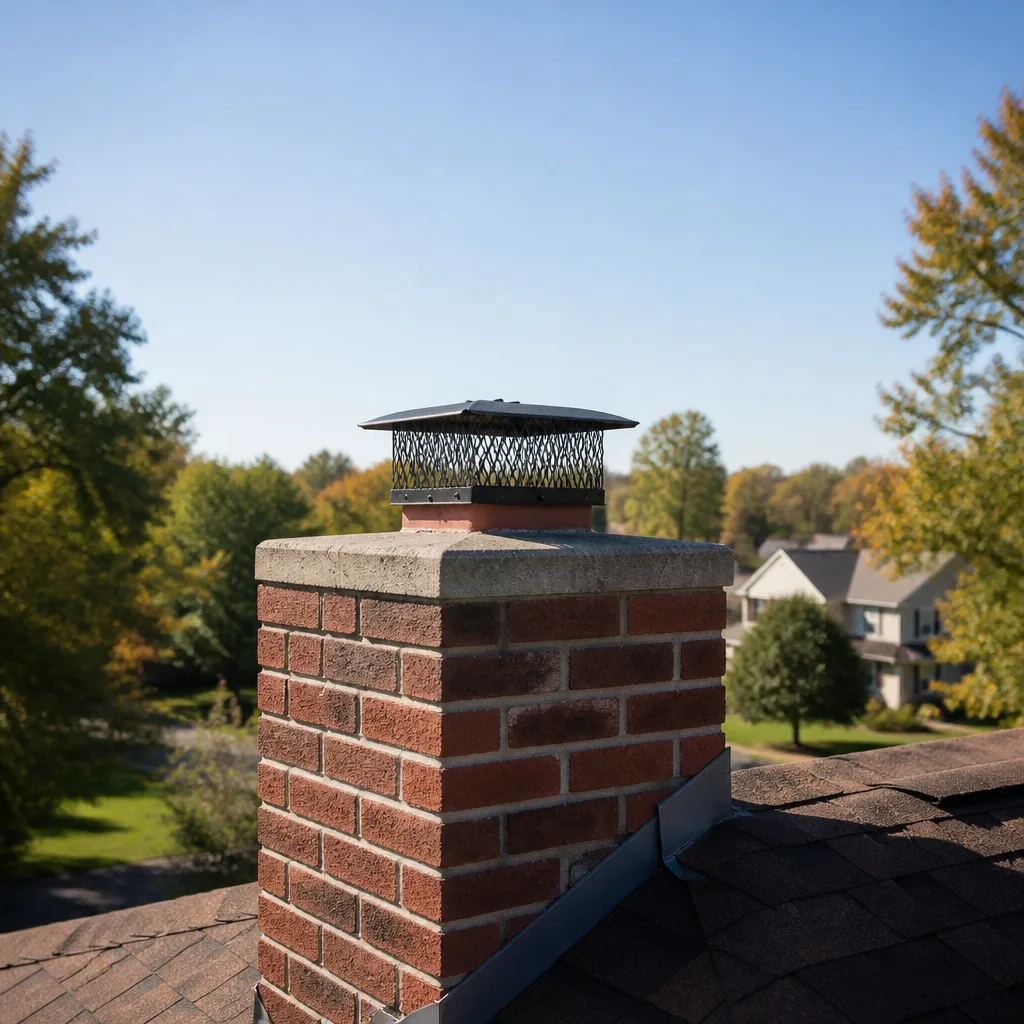 Sweep & inspection
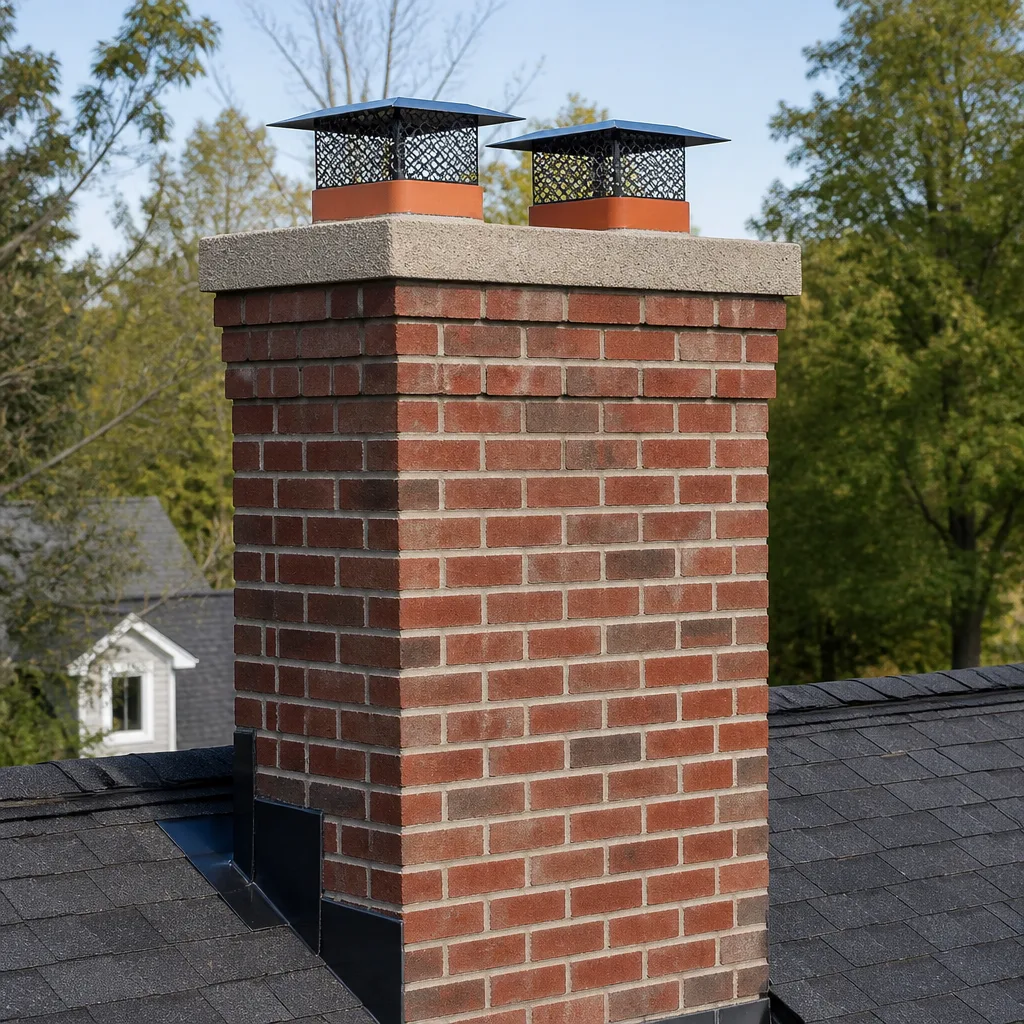 Caps & crowns
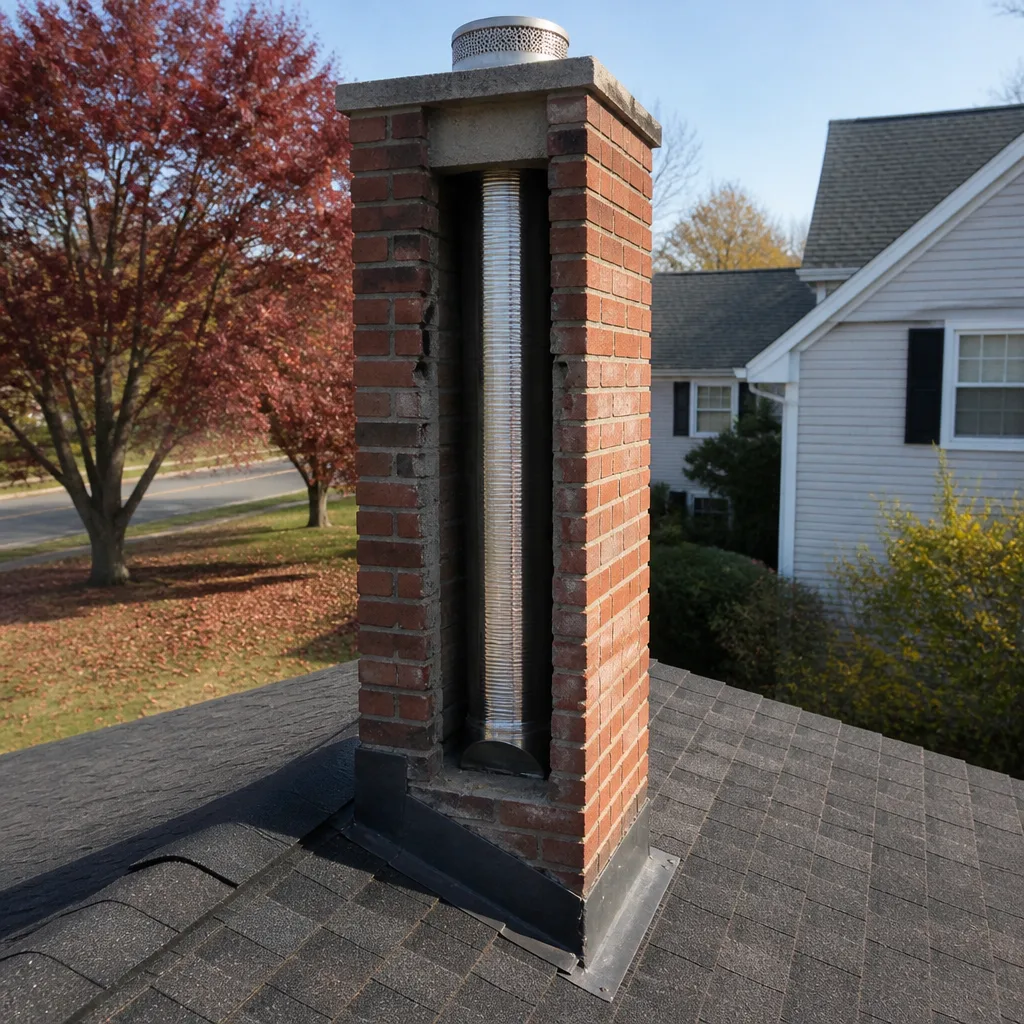 Flue relining
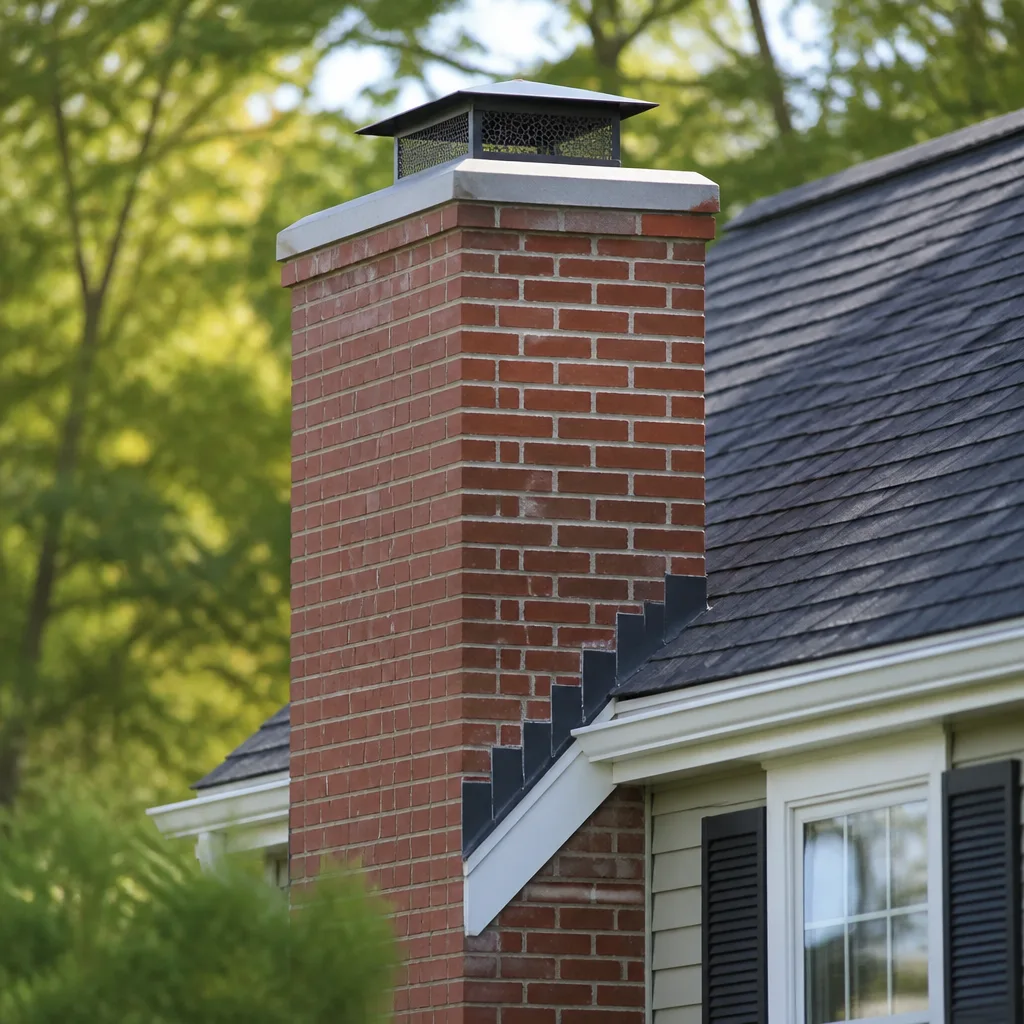 Masonry repair
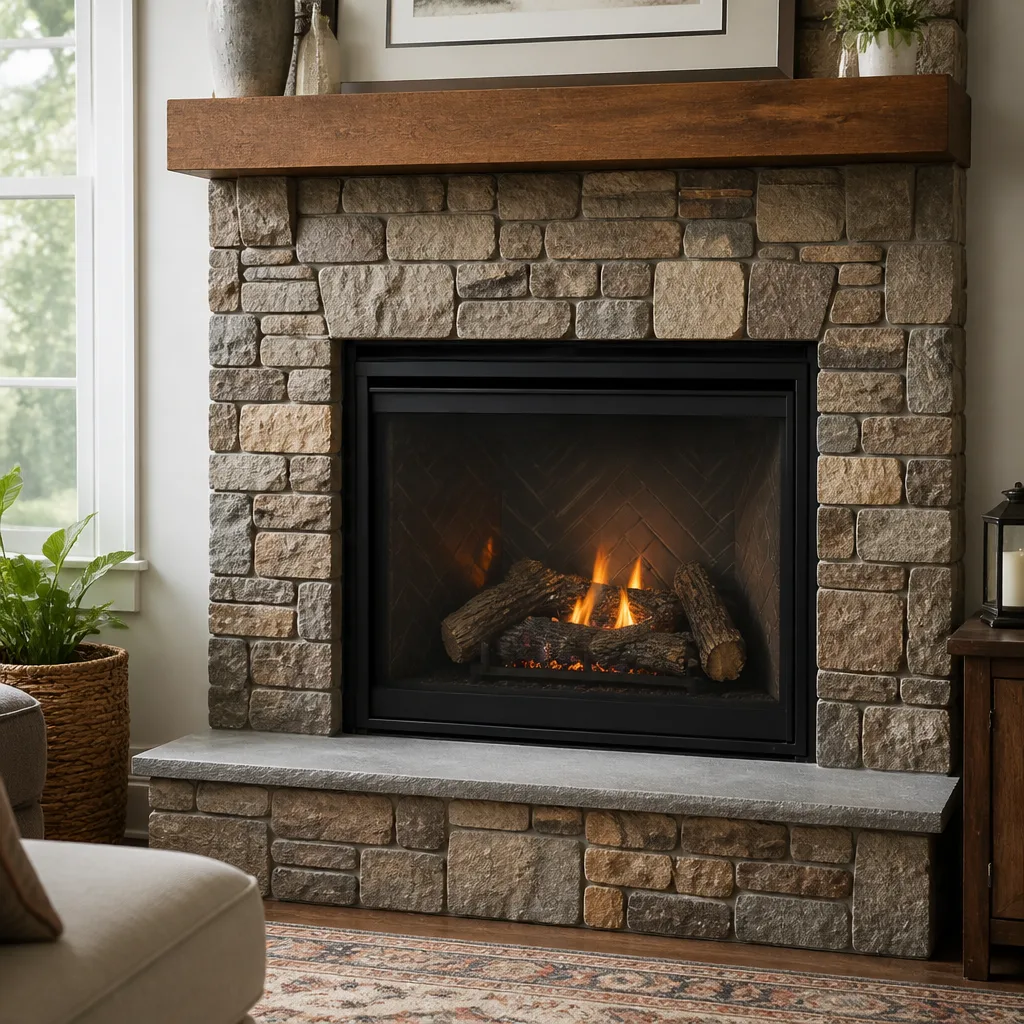 Gas fireplace service
Level 1 sweep and inspection to the NFPA 211 annual standard - flue, crown, cap, and flashing checked and photographed
Chimney sweep logs do not sweep chimneys. They loosen some creosote - which then falls where a brush and vacuum still have to collect it.
Choosing the Right Chimney Cleaning Brand: A Buyer’s Guide for Cape Coral
Most homeowners pick a chimney company by comparing the price at the bottom of the quote. The companies that get hired on price alone are often the ones installing anonymous parts sourced from no one knows where. Here’s the counterintuitive part: the cap, liner, and damper a cleaning company installs outlast the labor by years, and a cheap component will cost more over time than the service ever did. In Cape Coral, where summer storms put real stress on anything metal on your roof, the difference between a recognized brand component and a no-name substitute shows up fast. This guide shows you how to tell the two apart, what to look for on the invoice, and which questions to ask before anyone steps onto your roof.
Quick Answer
The right chimney cleaning company in Cape Coral is the one that can name the brands of every component it installs – DuraFlex liner systems, Famco caps, HeatShield flue restoration – and put those names on your written estimate. Ask for manufacturer names, warranty terms, and model numbers before work begins. If a company can only say “quality materials,” that’s not an answer, and it’s a reason to keep looking.
Styles & brands we work with
- Sweep & inspection
- Caps & crowns
- Flue relining
- Masonry repair
- Gas fireplace service
Table of Contents
- Why Brand Names on Your Invoice Actually Matter
- The Brands Professional Sweeps Source From
- How to Spot Off-Brand or Anonymous Components
- Stainless Steel Grades Explained for Florida Chimneys
- What “We Use Quality Materials” Should Actually Mean
- How to Verify the Job After the Work Is Done
- Questions to Ask Before You Book
- What Makes Cape Coral Chimneys Different
Why Brand Names on Your Invoice Actually Matter
A chimney cap is a commodity item until a Category 1 wind event rolls through Cape Coral, and then the difference between a 26-gauge stainless Famco cap and a no-name sheet-metal lid becomes very obvious, very fast. A cap that bends or lifts in wind lets water straight into the flue. A cap that rusts through in a few seasons does the same thing, just more slowly. The homeowner pays for the replacement twice: once for the cheap cap, once for the one that should have gone on the first time.
That’s the case for caring about brands. The manufacturers whose products chimney professionals actually use have testing behind them – material thickness, coating specs, wind ratings, and published warranty terms. When a component fails, there’s a manufacturer to call. When an anonymous part fails, there’s nobody.
Brand names on your estimate do three things:
- They make the price comparable. Two liner quotes aren’t the same quote if one is a recognized system and one is a generic roll of steel. A brand name lets you compare like with like.
- They give you a warranty holder. Recognized manufacturers publish warranty terms for their components. Those terms are written down, not promised verbally.
- They show the company sources from a supply chain you can check. A company that deals in named brands is dealing with distributors, not bargain bins.
This matters especially in Cape Coral, where a chimney system spends its life under intense sun, heavy seasonal rain, and hurricane-season wind loads. Components that aren’t built for that take a beating.
The Brands Professional Sweeps Source From
Chimney work has its own supply chain, and it’s smaller than most homeowners realize. The professionals who do this work year-round tend to draw from a short list of manufacturers. When you hear these names on an estimate, it’s a sign the company is buying from that supply chain rather than whatever’s cheapest that week. We source our own materials from six recognized names in the industry: DuraFlex, HeatShield, Gelco, Olympia Chimney, Famco, and Copperfield. Here’s roughly where each one fits.
- DuraFlex makes flexible stainless liner systems. Flexible liners matter in older or offset chimneys where a rigid pipe can’t make the bends. A liner that fits the flue properly is the difference between a vented appliance and a hazard.
- HeatShield is a liner-restoration system – a ceramic-based product applied to the inside of a clay flue to seal cracks and extend its life. It’s an alternative to a full reline in situations where the existing flue can be restored. Not every company offers it, and the application has to be done correctly.
- Famco makes chimney caps and top-sealing dampers. A properly sized stainless cap is the single cheapest piece of protection on your chimney.
- Copperfield makes caps and chase covers, including copper options that hold up well in a hot, wet climate.
- Gelco and Olympia Chimney round out the supply side for liners, caps, and related components.
You don’t need to memorize all six. You need to notice whether the company can name them, tell you which one goes on your chimney, and explain why. A sweep who does this daily will have a clear answer without checking anything.
How to Spot Off-Brand or Anonymous Components
Off-brand components don’t announce themselves. They arrive in plain packaging with a generic label, or they’re already on the roof before you see them. The way to catch them is to ask specific questions before the work starts and to look at what actually shows up.
Here’s a checklist you can run through with any company:
- Ask for the manufacturer name of every component in the quote. Cap, liner, damper, chase cover, adhesive, sealant. If the answer is “standard” or “commercial grade,” that’s not a manufacturer.
- Ask to see the packaging when materials arrive. A recognized brand will be printed on the box or the roll. You don’t need to be an expert; you just need to see a label that matches the quote.
- Look for a model number. Named manufacturers give their products model numbers. Anonymous parts often have nothing but a barcode.
- Ask for the warranty document before the job, not after. A real manufacturer warranty is a printed document. A verbal promise isn’t one.
- Check the gauge or thickness claim on caps and covers. Cheap caps are thin. A cap that flexes when you push on it with one finger isn’t going to handle Cape Coral wind.
- Watch for parts that show up without a box at all. Components pulled from a truck bed with no packaging, no label, and no paperwork are the classic off-brand tell.
None of this requires a confrontation. Ask the questions plainly before booking, and a professional will answer them without hesitation. The company that gets defensive is telling you something.
Stainless Steel Grades Explained for Florida Chimneys
If you’re replacing a liner or a cap, the stainless steel grade is one of the few specs worth understanding. The two grades that come up most in chimney work are 304 and 316 stainless. Both are stainless. They don’t perform the same way over time.
- 304 stainless is the standard grade. It’s durable and handles most flue environments well, and it’s what a lot of liners and caps are made from.
- 316 stainless adds molybdenum to the alloy, which improves resistance to corrosion and to certain chemical exposures. It’s the higher grade, and it costs more.
In Cape Coral, the climate pushes toward the higher grade in a few situations. A chimney here runs hot on the outside and wet on the inside – summer humidity, seasonal downpours, and the constant moisture that Florida air carries. Metal on your roof cycles between wet and dry repeatedly through the year. Higher-grade stainless holds up longer under that pattern. So does a thicker cap.
When we talk with homeowners about a liner or cap replacement, we explain what grade the component is and why. If your existing setup is in a spot where the upgrade doesn’t change much, we say so. The point is to know what you’re buying, not to upsell past the need. A company that can explain 304 versus 316 without hedging is a company that knows its materials.
What “We Use Quality Materials” Should Actually Mean
“We use quality materials” is the most common sentence in the chimney trade, and it means almost nothing on its own. Every company says it. The phrase is a placeholder where a manufacturer name should be.
Here’s the difference in practice. A company that uses quality materials can tell you:
- The exact brand of cap, liner, damper, and sealant going onto your chimney
- The model number of each component
- The warranty terms from the manufacturer, in writing
- Why that specific product was chosen for your flue, and not a different one from the same brand
A company that just says “quality materials” usually means “we bought whatever was available.” That’s not a knock on every generalist. Some roofers and handymen install caps as a side job and pick up whatever the local supplier has that week. The problem is that a cap is the one component between your flue and the weather, and it’s the cheapest part of the job to get right.
For a liner, the stakes go up. A liner in the wrong grade, installed without the right fittings, can fail at the joints. When it does, the homeowner is out the full cost of the job and has to start over. That’s why the brand on the invoice matters: it’s the difference between a system with a manufacturer behind it and a promise from a company that may not be reachable in three years.
The same logic applies to HeatShield restoration versus a full reline. HeatShield is a recognized system with a defined application process, and it exists precisely so homeowners can avoid tearing out a serviceable flue. A company that only offers full relines either doesn’t have the HeatShield certification or doesn’t know the product exists. Either way, you want to know before booking.
How to Verify the Job After the Work Is Done
The work is finished, the check is written, and now you’re standing in your driveway looking at a new cap that you can’t fully evaluate. This is where documentation saves you. A reputable company leaves a paper trail that a stranger could use to verify the job years later.
Ask for the following after any cap or liner installation:
- The manufacturer’s warranty document for each component. Not a company promise. The manufacturer’s own paperwork, with the brand and model number on it.
- The model number of every installed component, written on the invoice. If the invoice just says “chimney cap,” it’s not enough. The model number is what lets you buy the same or a compatible part in the future.
- The brand name on the estimate, matching the brand name on the final invoice. If those two don’t match, ask why.
- A written description of the work performed. What was removed, what was installed, and where. A camera inspection photo of the finished flue is the simplest proof.
- A visual check you do yourself. Look at the cap from the ground with binoculars or your phone. A recognized cap has a clean profile with visible fasteners, not a bent sheet that wobbles.
If the company can’t produce the paperwork, that’s a red flag on the brand claim. Manufacturer warranty coverage doesn’t reach the homeowner without the document.
Questions to Ask Before You Book
You don’t need to become a chimney expert to hire well. You need about six good questions and the patience to hear the answers. Ask these before anyone comes out.
- Which manufacturer makes the caps, liners, and dampers you install? A professional will name them without looking anything up.
- What grade stainless do you use for liners and caps? “304 or 316 depending on the flue” is a good answer. “Stainless” alone is not.
- Do you offer HeatShield restoration, or only full relines? If they offer it, ask whether they’re certified to apply it.
- Will the brand and model numbers appear on my written estimate? “Yes” is the only good answer here.
- What documentation will I get after the job? You want warranty paperwork and a written description of the work.
- Do you do chimney work exclusively, or is it one service among many? A chimney-only specialist has spent all their working time on this trade. A generalist rotates between trades.
Call Cape Coral Chimney Sweep for an inspection and we’ll answer these on the phone before you book a thing. The written estimate includes manufacturer names and the price, so there’s nothing to guess at.
What Makes Cape Coral Chimneys Different
Cape Coral is flat, low, and hot. The sun is intense through the summer, and the seasonal rain comes in short bursts that leave water sitting on surfaces and then drying fast. For a chimney, that pattern means metal components spend the year cycling between wet and dry, and the cap is doing most of the work keeping water out of the flue. A cheap cap here gets exposed to conditions a cheap cap in a milder climate wouldn’t see, which is why the material grade matters more than most homeowners expect.
The housing stock adds a wrinkle. Cape Coral has a lot of homes of varying ages, and chimney construction varies too. Some flues are straight and easy to access. Others have offsets that make a rigid liner impossible, which is where DuraFlex flexible liners come in – they can make the bends a rigid system can’t. That’s a product choice, not a trick. A company that only stocks rigid liners will either decline the job or force a fit that doesn’t work.
Wind is the other variable. Cape Coral sees hurricane season every year, and chimney caps are right at the roofline where wind loads hit hardest. A properly fastened, stainless cap rated for wind is a small investment. An anonymous cap that rests on the flue rather than fastening to it is a problem waiting on the next storm.
None of this means every Cape Coral chimney needs the premium product. It means the product choice should be deliberate, explained, and written down. That’s the whole standard.
Common Mistakes to Avoid
- Hiring on price alone. The lowest quote usually reflects an anonymous cap or a lighter-gauge liner. The savings show up in the second and third replacement, not the first invoice.
- Accepting “quality materials” as an answer. If the estimate doesn’t name the brand, ask for it in writing. This is the single easiest filter you have.
- Skipping the warranty paperwork. Manufacturer warranties only help if the homeowner has the document. Ask for it at the end of the job, and file it.
- Assuming all stainless is the same. A 304 cap and a 316 cap carry different price tags because they handle moisture and chemical exposure differently. Ask which grade you’re buying.
- Letting a generalist force a rigid liner into an offset flue. If your flue has bends, ask specifically about flexible liner options before the work begins.
- Not asking about HeatShield. If your clay flue has cracks but is otherwise serviceable, restoration may save you the cost of a full reline. A company that doesn’t offer it will only quote the reline.
- Ignoring the cap. The cap is the cheapest part of the system and the first line against everything Cape Coral weather throws at your roof.
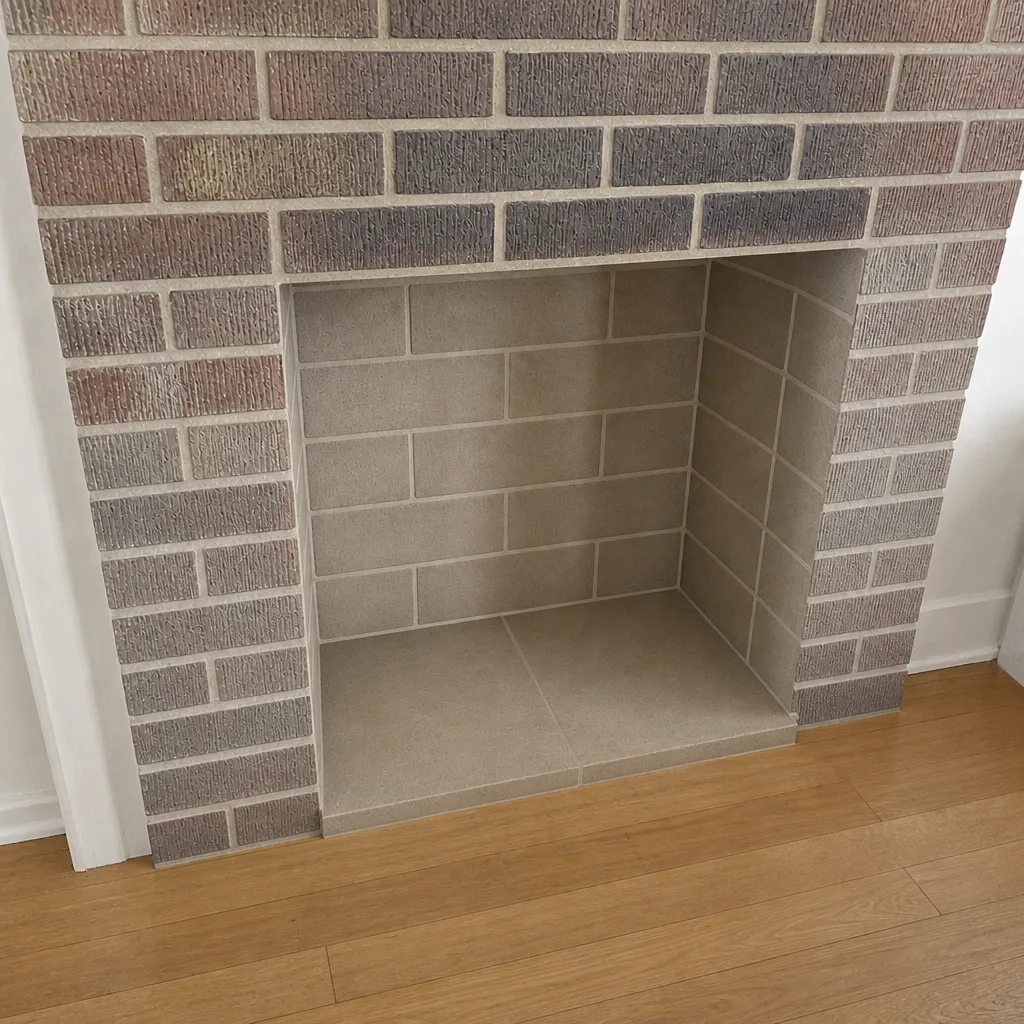
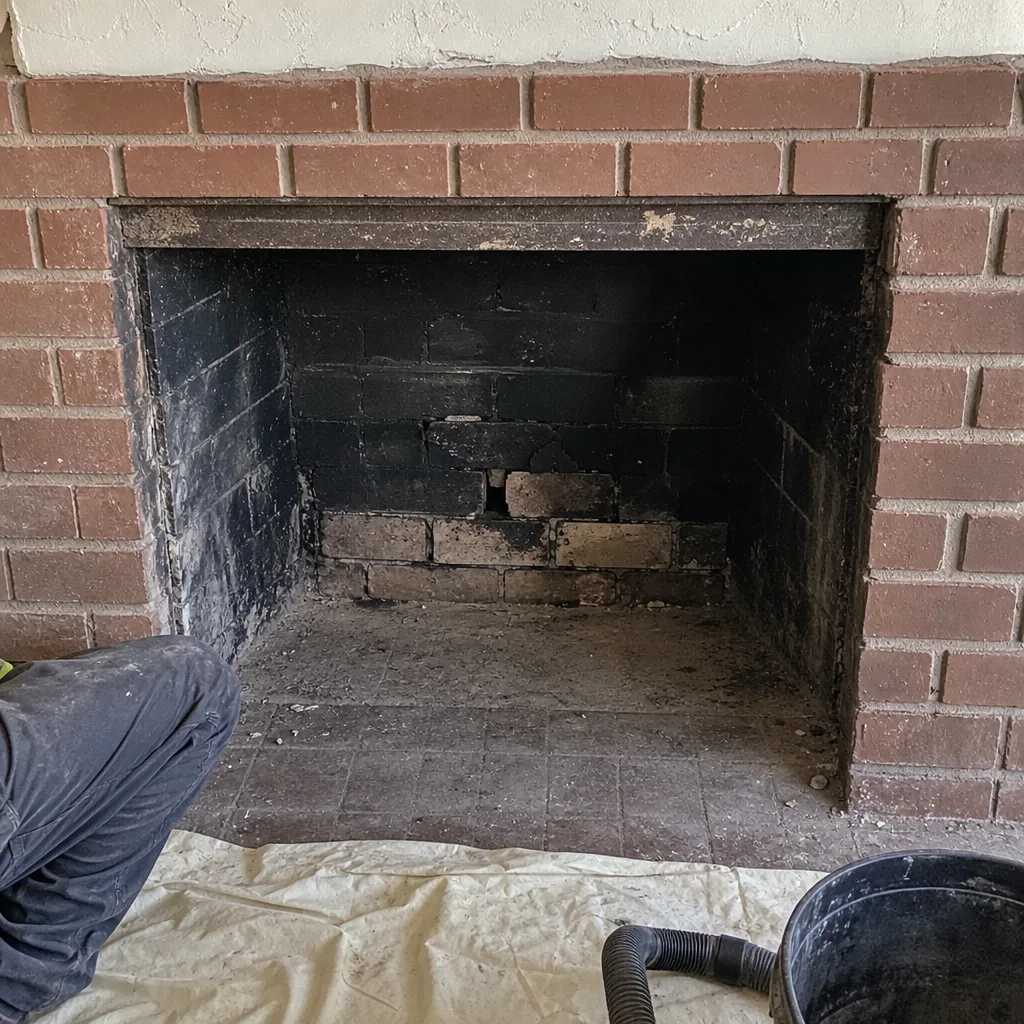
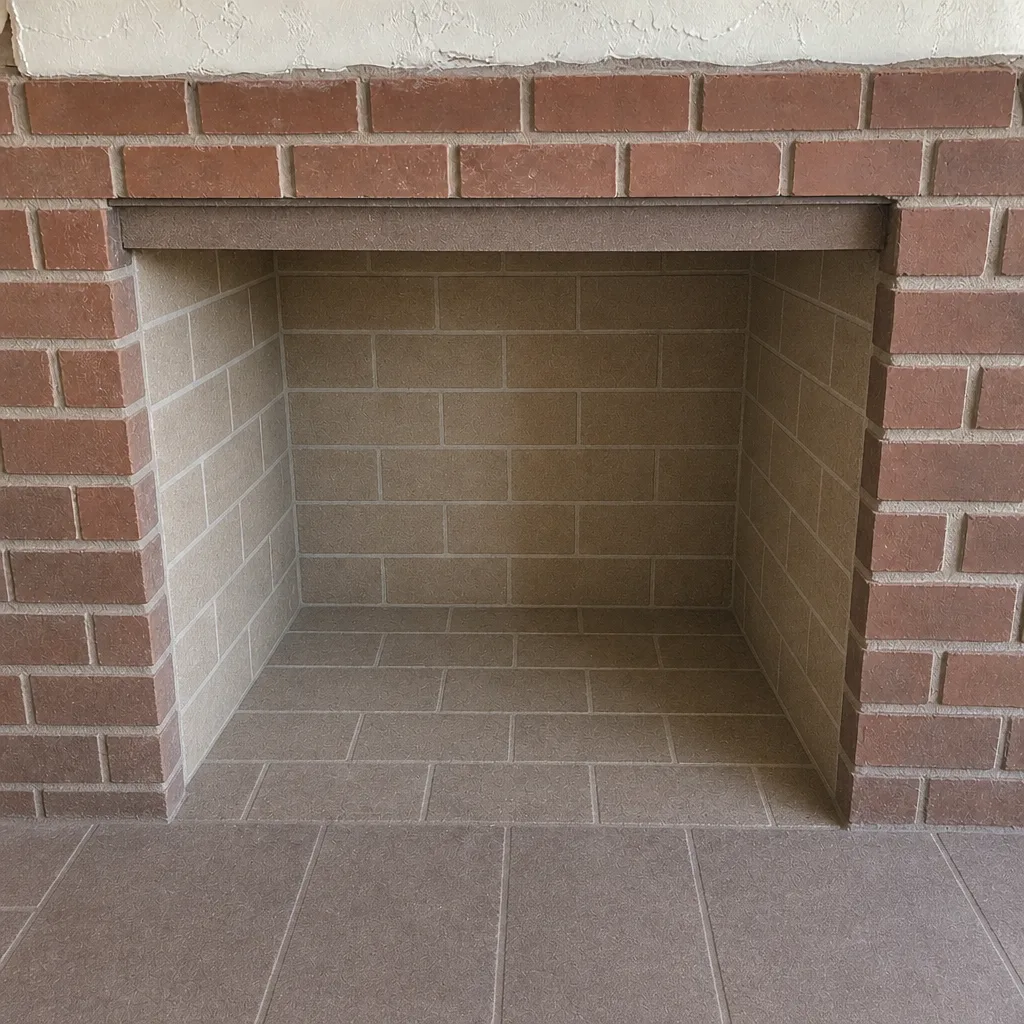
See the difference
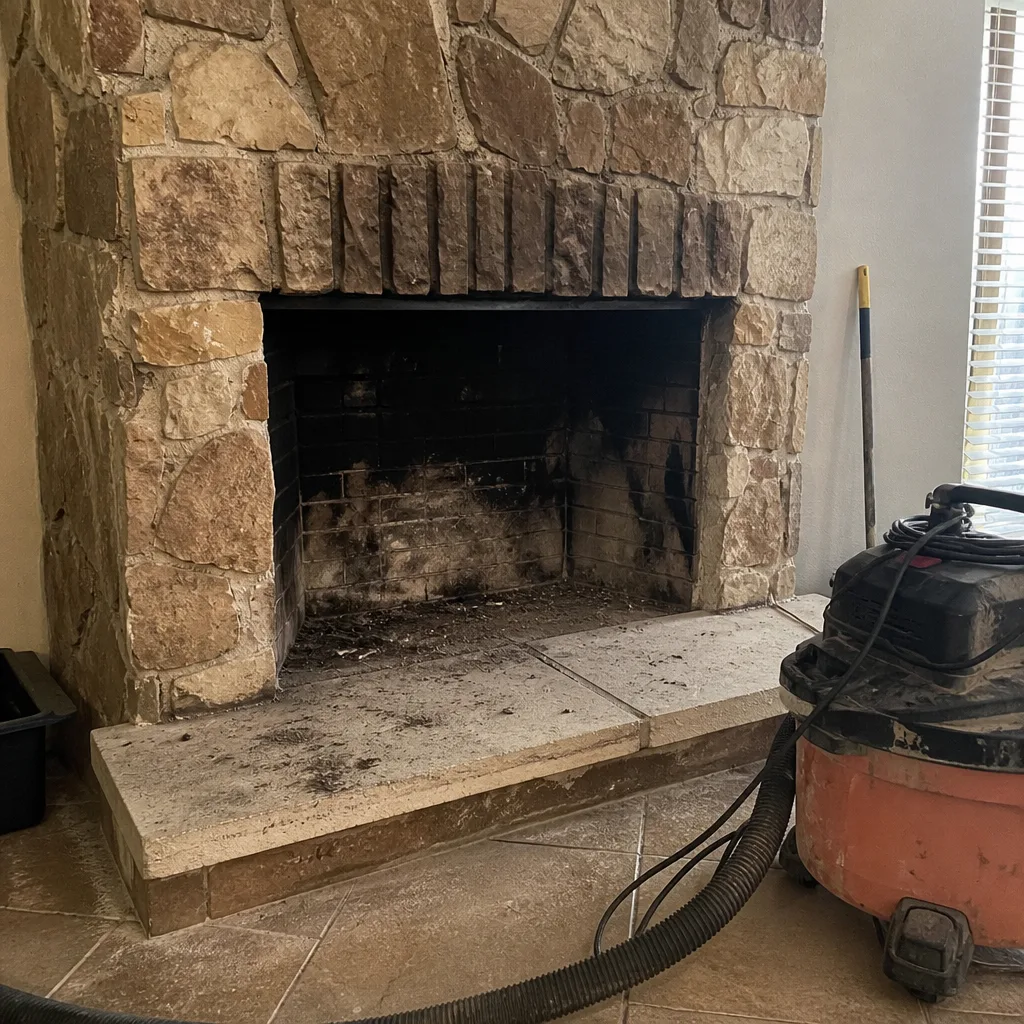 Before
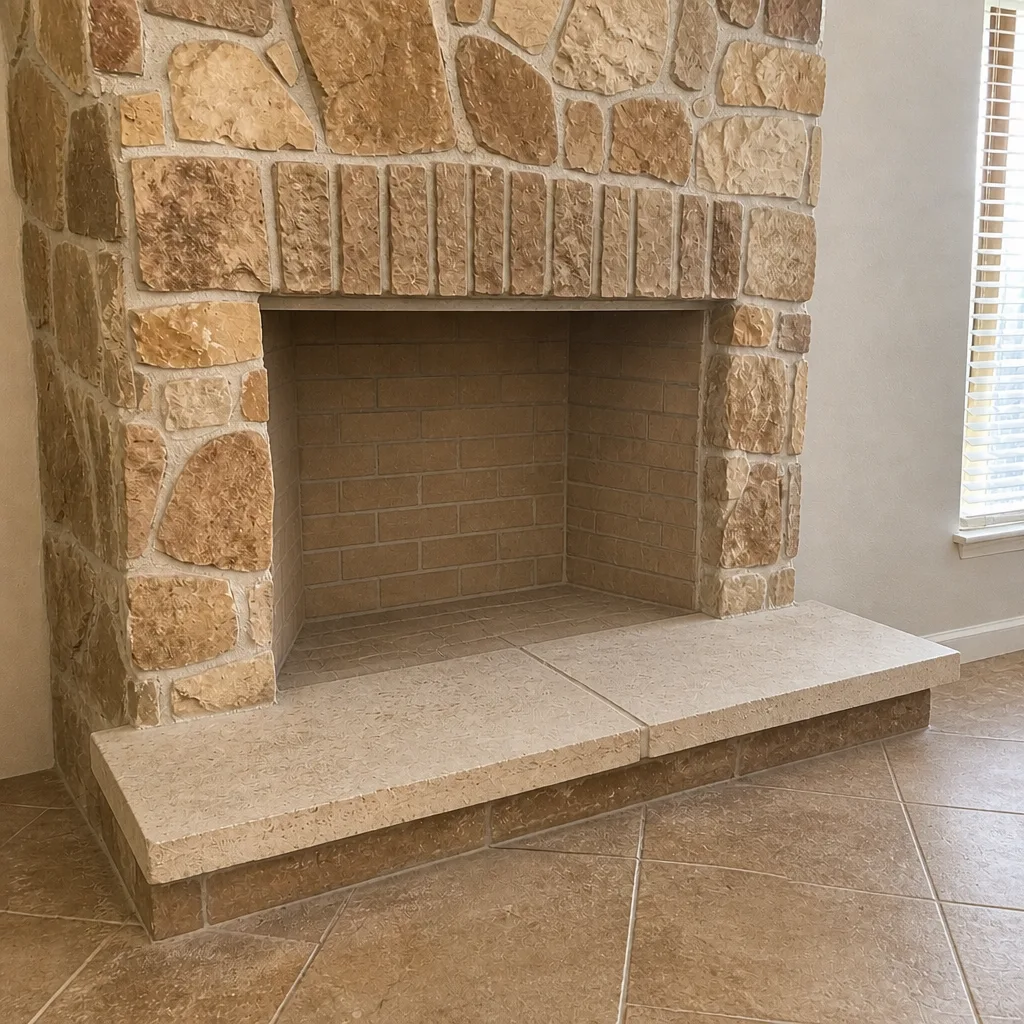 After
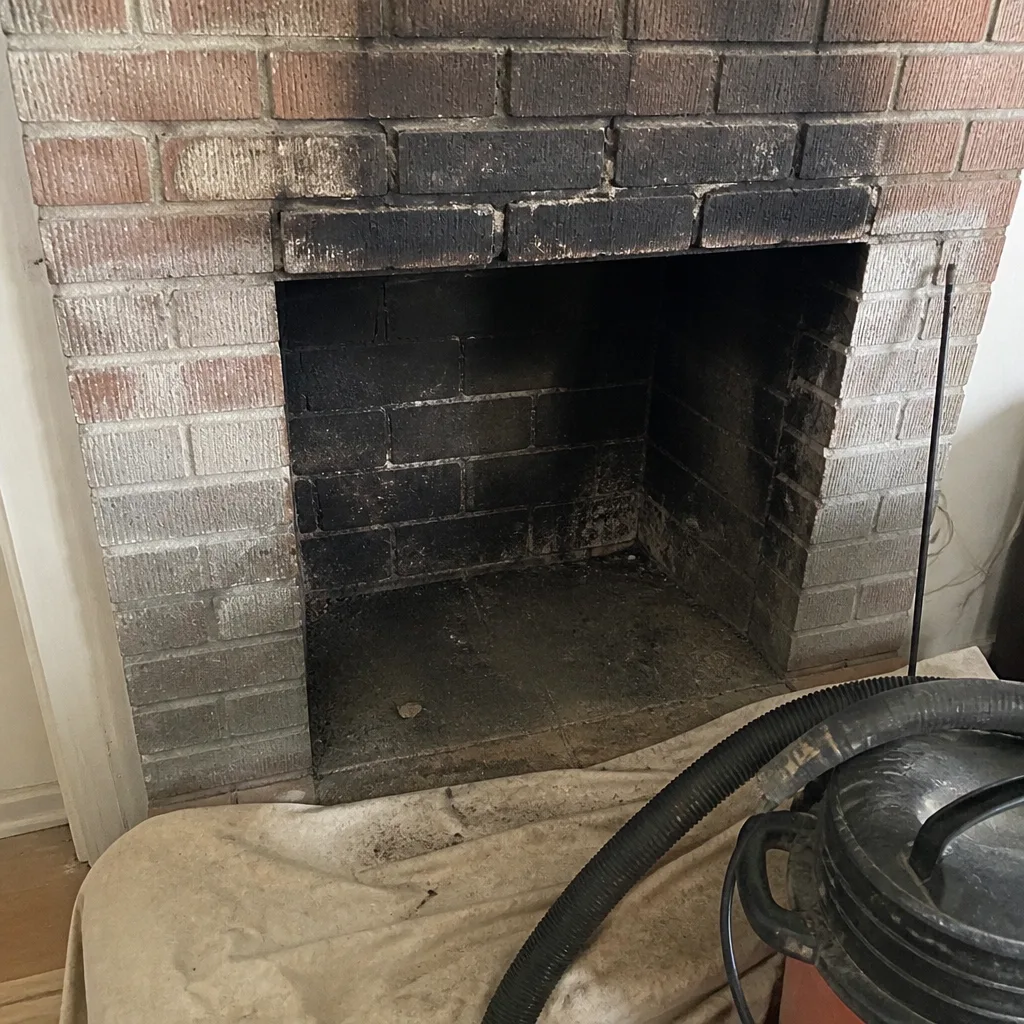 Before
 After
 Before
 After
When to Call a Professional
You need a professional when you’re not comfortable assessing the flue yourself. That’s true for most homeowners, and there’s no shame in it. A chimney is a system with a fire inside it, and the parts you can’t see are the parts that matter most.
Call for a chimney sweep and inspection before you first light the fireplace each season. Call if you smell smoke inside the house when the fireplace runs, if you notice water stains near the ceiling or the chimney chase, or if the cap on your roof is loose, bent, or missing. Call if a storm has passed through and you see shingles or parts on the ground near the chimney. And call for a chimney repair quote if your insurance company has asked for documentation.
Cape Coral Chimney Sweep offers free estimates in Cape Coral – call (888) 247-9034. Our technicians have up to 9 years of experience, and every estimate names the brand and model of each component going onto your chimney.
Frequently Asked Questions
Yes – sometimes significantly. A recognized stainless cap from a manufacturer like Famco costs more than a generic sheet-metal cap, and the difference reflects grade, thickness, and warranty. A 316 stainless liner costs more than a 304 one. The right way to compare is to ask for both quotes with the brand and grade named, so you’re comparing materials rather than just totals.
Look at the packaging and the invoice. Recognized manufacturers print their name and model number on both. If the estimate says “standard cap” or “commercial-grade liner” with no brand, ask for the manufacturer name before booking. If they can’t give you one, the part is likely anonymous. A professional will name DuraFlex, HeatShield, Famco, or Copperfield without checking anything.
Often yes, but not always. The higher grade resists corrosion and chemical exposure better, and Cape Coral’s wet-dry cycling through the year puts more stress on metal than a milder climate does. Whether the upgrade is worth it on your specific chimney depends on the flue, the appliance, and how exposed the cap is to weather. Ask the technician which grade is appropriate for your setup and why.
HeatShield is a liner-restoration system – a ceramic-based product applied inside a clay flue to seal cracks and extend its life. You may need it if your flue has cracks but the structure is otherwise sound; it can save you the cost of a full reline. You don’t need it if the flue is intact or if the damage is too extensive. The decision comes from a camera inspection, not a guess.
Because flexible liner systems can make bends that rigid pipe can’t. An offset flue has a jog in the middle, and a rigid stainless liner won’t pass through it without major demolition. DuraFlex flexible liner systems are designed for that situation. If a company only stocks rigid liners and your flue has bends, they’ll either decline the job or force a fit that doesn’t vent properly. Ask about flexible options before the work begins.
Ask for the manufacturer’s warranty document and the model number on the final invoice. Both should match the brand named on the estimate. Then look at the cap from the ground with binoculars – a recognized cap has a clean profile and visible fasteners. If the paperwork doesn’t match, ask the company to explain in writing before you consider the job closed.
The Bottom Line
The brand of chimney component on your roof matters as much as the labor that installs it, and arguably more over the years. A recognized cap from Famco or Copperfield, a DuraFlex flexible liner for an offset flue, and a HeatShield restoration where the clay can be saved all come with manufacturer backing. Anonymous parts don’t. The way to get the right materials is to ask for brand names, model numbers, and warranty terms before the work starts, and to expect paperwork after it’s finished. Ask those questions in Cape Coral and the right company will answer them without blinking. Call (888) 247-9034 for a free estimate. We answer 24/7. Fast dispatch from 7am to 7pm, Sunday through Friday.
Written by the team at Cape Coral Chimney Sweep.