
Last updated November 15, 2026
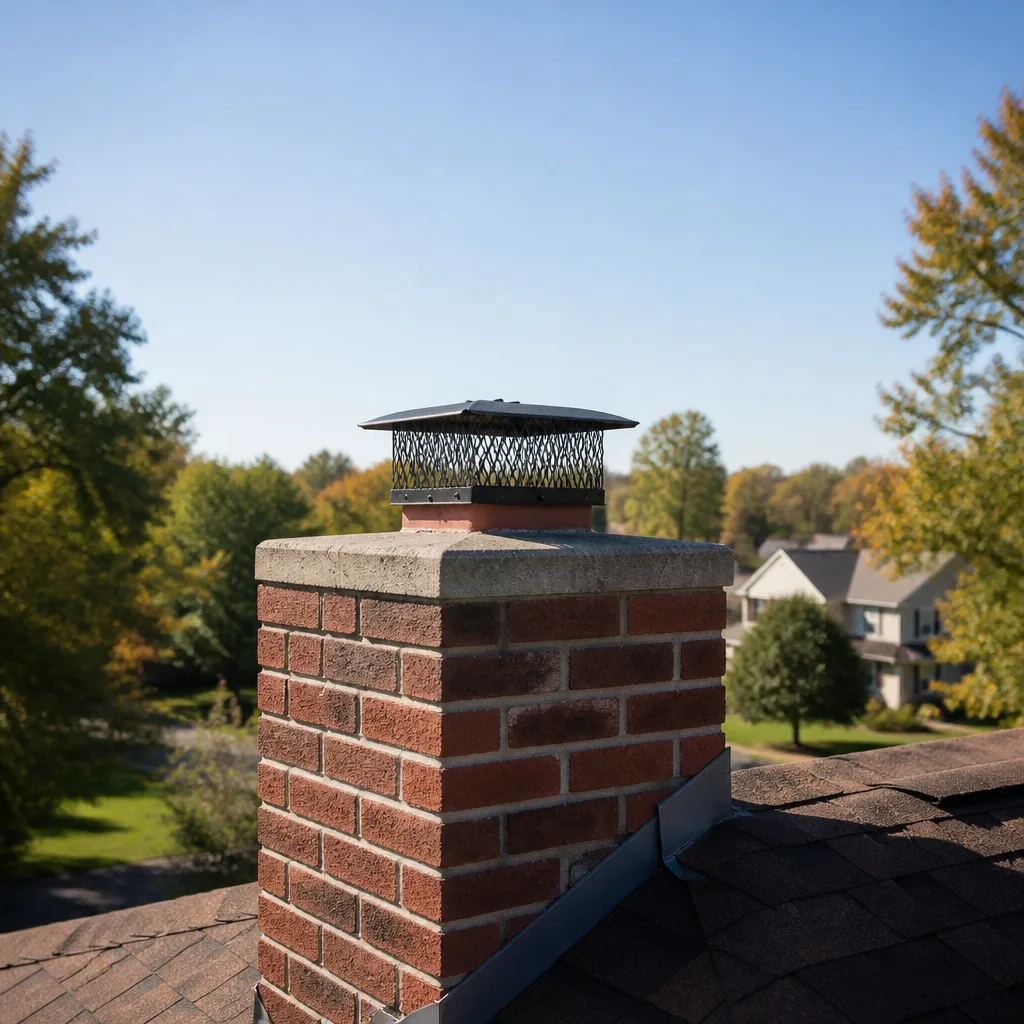 Sweep & inspection
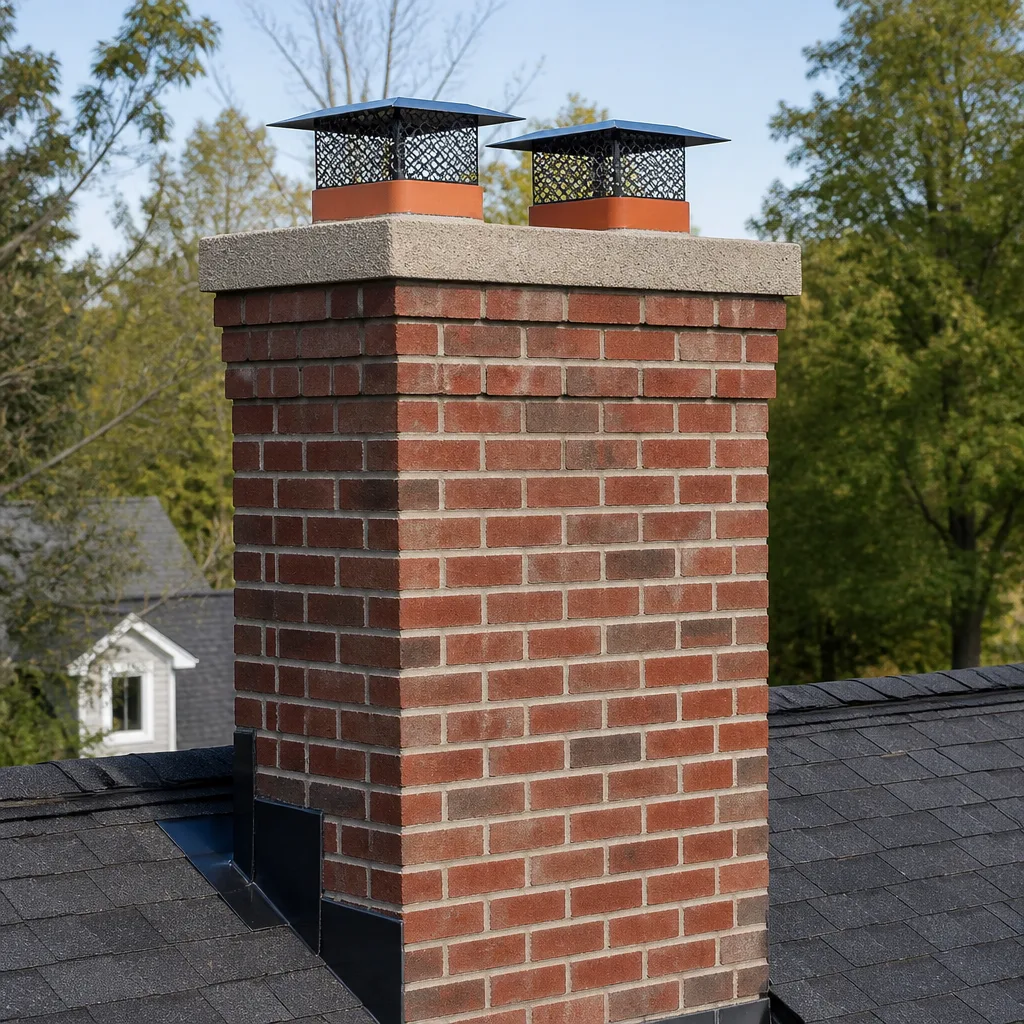 Caps & crowns
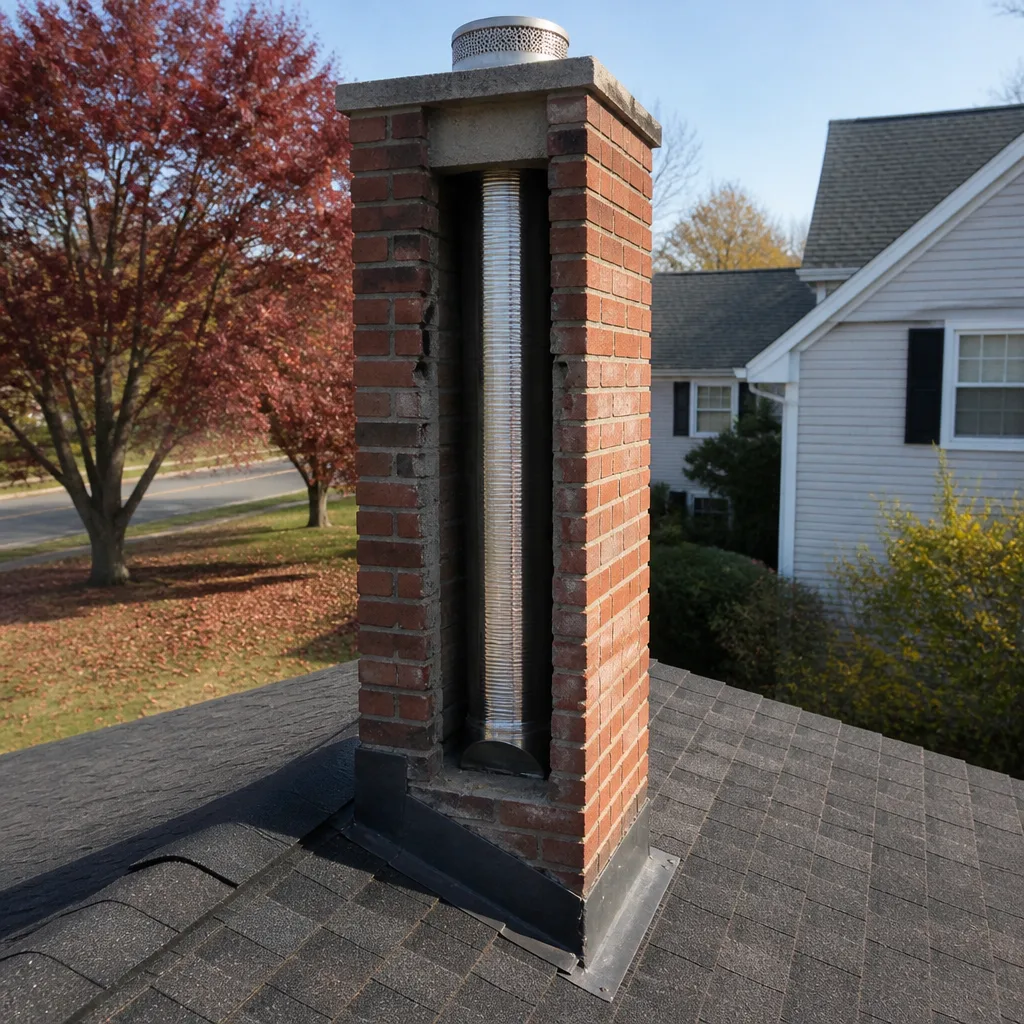 Flue relining
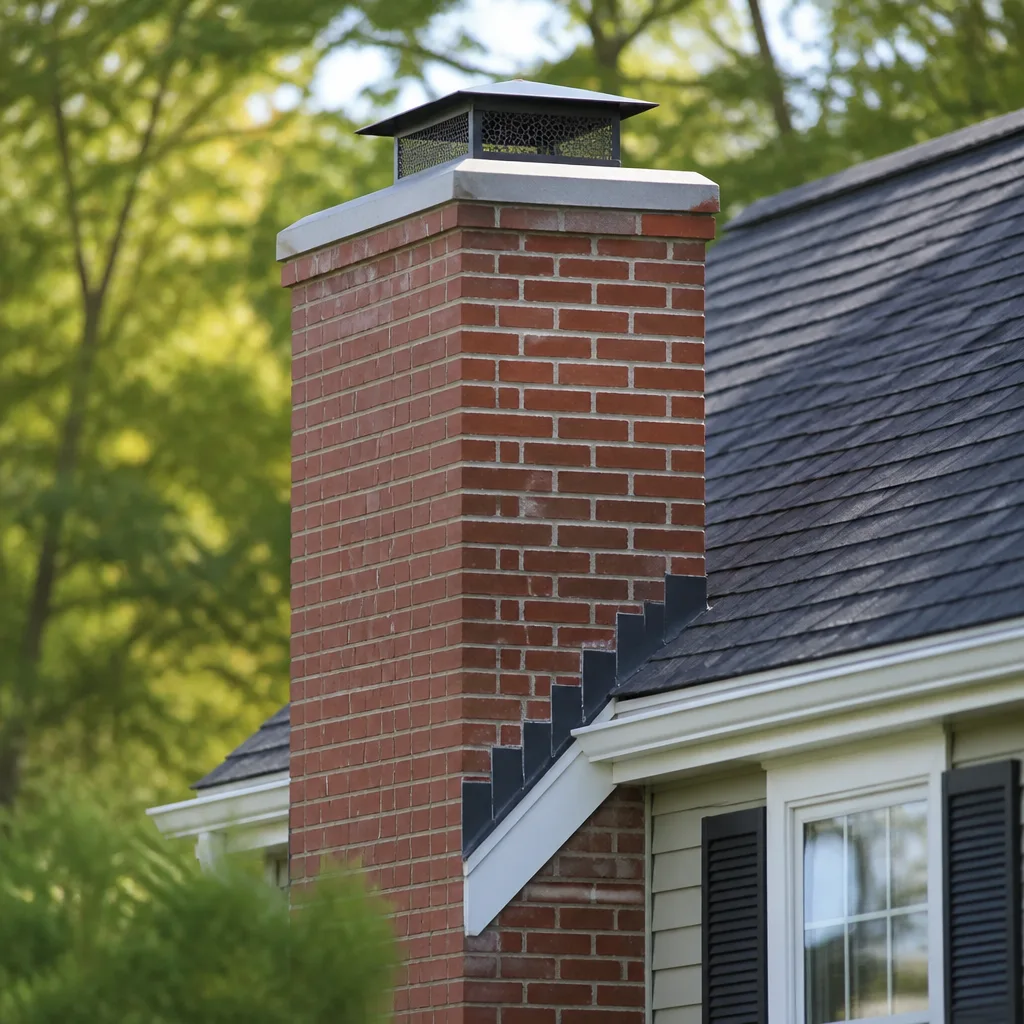 Masonry repair
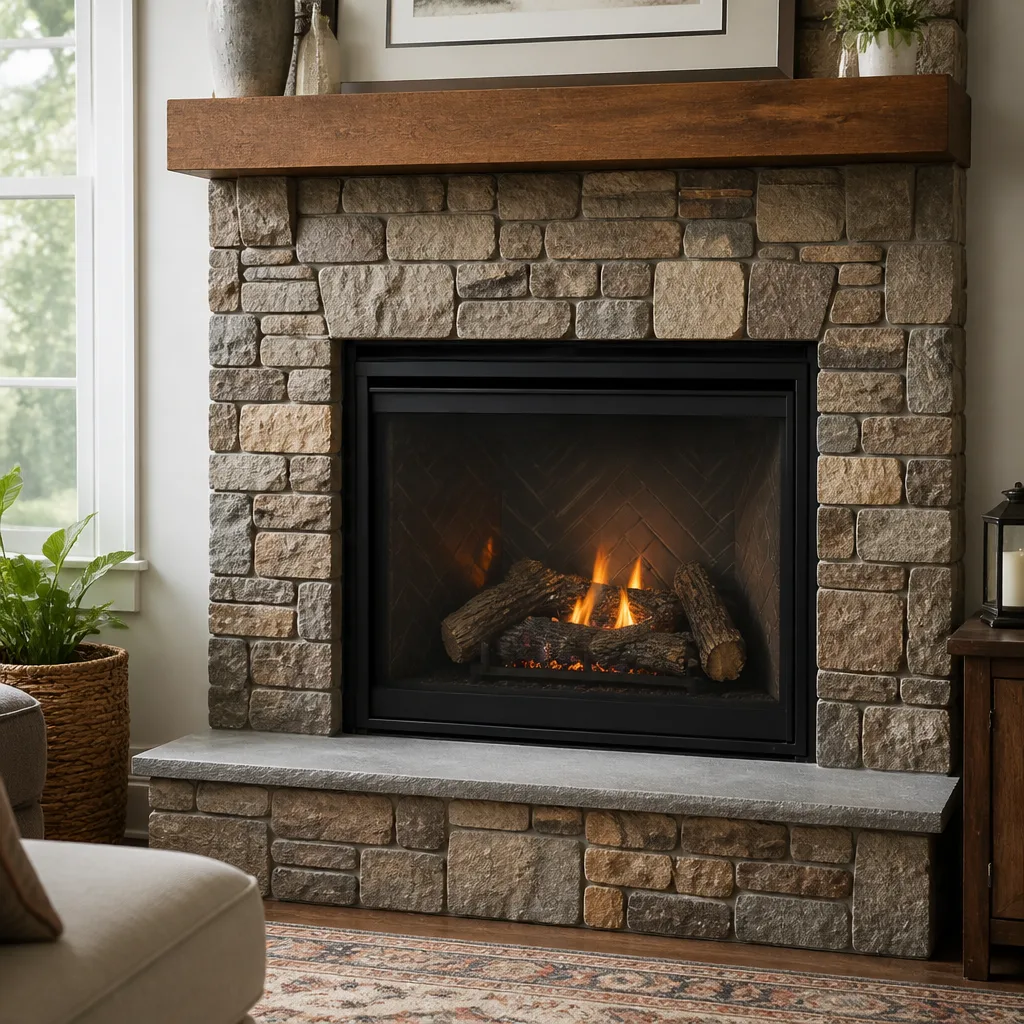 Gas fireplace service
Level 1 sweep and inspection to the NFPA 211 annual standard - flue, crown, cap, and flashing checked and photographed
Chimney sweep logs do not sweep chimneys. They loosen some creosote - which then falls where a brush and vacuum still have to collect it.
Chimney Cleaning Emergency Preparedness Guide for Cape Coral Homes
The instinct after a storm is to clean up the yard and forget the roof. That order is backwards. After a named storm passes through Southwest Florida, the most dangerous thing a homeowner in Cape Coral can do is light the first fire of the season without checking whether the chimney took structural damage that isn’t visible from the living room. A flue that looks fine from the hearth can hide a shifted liner, a cracked crown, or a nest of storm debris packed against the top. This guide covers what to check, what to leave alone, how to handle a chimney fire in the first minute, and how to prepare a chimney before the next storm makes landfall.
Quick Answer
Chimney emergency preparedness in Cape Coral means three things: inspect the chimney for storm damage before the first fire of the season, keep carbon monoxide sources away from the flue during power outages, and know the steps to take in the first 60 seconds of a chimney fire. You can safely assess most exterior damage from the ground with binoculars, but anything involving the flue interior, the crown, or the liner requires a professional with camera equipment. Preparing before hurricane season means capping the flue, checking the cap fasteners, and closing the damper.
Styles & brands we work with
- Sweep & inspection
- Caps & crowns
- Flue relining
- Masonry repair
- Gas fireplace service
Table of Contents
- Post-Storm Chimney Inspection: What to Check Before the First Fire
- What You Can Assess Yourself vs. What Needs a Professional
- The First 60 Seconds of a Chimney Fire
- Carbon Monoxide Risk After a Storm: Florida’s Specific Scenarios
- Pre-Storm Chimney Prep: Cap, Close, Protect
- Storm Debris and Flue Blockage: The Silent Problem
- When to Schedule a chimney sweep After Storm Season
- Building a Chimney Emergency Kit for Your Cape Coral Home
Post-Storm Chimney Inspection: What to Check Before the First Fire
A post-storm chimney inspection is a structured walkaround, not a glance at the roofline. The goal is to confirm the chimney is structurally sound, the flue is clear, and the cap is intact before any fire is lit. Here’s the checkpoint sequence we walk through after a major storm.
- Exterior masonry and siding: Look for new cracks wider than a hairline, missing mortar joints, or sections of brick that have shifted out of plane. Storm-driven rain and wind can open joints that were tight before.
- The crown: The concrete cap at the top of the chimney should be intact with no visible cracking or separation from the flue tile. A cracked crown lets water into the masonry, which then damages the flue from the outside in.
- The cap and spark arrestor: Confirm the cap is still attached and the mesh screen is intact. A cap that’s been lifted or torn off means rain, debris, and animals have direct access to the flue.
- The flashing at the roofline: The metal where the chimney meets the roof should be tight. Lifted flashing creates a leak path into the attic and ceiling.
- The firebox and damper: Inside, check that the damper opens and closes freely and that the firebox brick and mortar show no new cracking or spalling.
- Down-draft and smoke test: With the damper open, hold a lit match near the open firebox. If smoke doesn’t draw up the flue, there may be a blockage.
If any of those checkpoints fail, don’t light a fire until a professional clears it. Chimney repair after a storm is common in Cape Coral because the housing stock includes many homes with exterior masonry chimneys exposed to wind-driven rain. The repair itself is usually straightforward once the damage is documented with photos.
What You Can Assess Yourself vs. What Needs a Professional
Homeowners can safely evaluate a chimney from ground level with a pair of binoculars and a flashlight. That’s the boundary. Anything past the ground-level view requires a trained technician with camera equipment and safe roof access.
Safe to assess yourself:
- Visible cracks in the exterior masonry or siding, viewed from the ground
- Whether the cap is present and whether the mesh screen looks intact
- Lifted or missing flashing at the roofline
- Debris visible around the base of the chimney or on the roof surface
- Damper operation from inside the firebox
- Visible cracks in the firebox brick
Requires a professional with camera equipment:
- The interior condition of the flue liner across its full length
- Whether the crown has cracked underneath or bridged away from the flue tile
- Hidden debris or nesting packed into the flue above the smoke shelf
- The condition of the smoke chamber and the top of the firebox
- Whether flex liner connections have shifted or loosened
- Structural damage to the chimney above the roofline that isn’t visible from the yard
The reason the interior check matters in Cape Coral is that storm debris and blocked flues don’t show up in a visual inspection from the ground. A camera inspection records the actual condition of the flue, and you get a photo report documenting what was found. That’s what makes the difference between a guess and a documented answer.
The First 60 Seconds of a Chimney Fire
A chimney fire sounds like a low roar or a train rumbling in the flue. The first 60 seconds determine how serious it becomes. What you do in that minute should be automatic.
- Get everyone out of the house, then call 911. That order matters. Call 911 from outside.
- Close the glass doors or the firebox screen. This starves the fire of oxygen from the room and keeps sparks from reaching the floor.
- Do NOT close the damper. Closing the damper cuts the draft that carries smoke and heat up and out. It can trap gases and heat in the flue and in the smoke chamber, which can force them back into the room. Leave the damper open.
- Don’t throw water on the fire. Water on a hot flue can crack the tiles or the liner, which turns a fire call into a rebuild.
- Wait for the fire department. Even after the visible fire is out, hot spots can remain in the smoke chamber or in creosote deposits for hours.
After the fire department has cleared the scene, the chimney is not safe to use until a sweep inspects it and documents the damage. A chimney fire can crack a clay liner in a way that’s completely invisible from the hearth. The next fire after a chimney fire, without an inspection, is where carbon monoxide risk becomes real. In our experience, the follow-up inspection is what separates a scare from a rebuild. If the damage is limited to the flue interior, HeatShield liner restoration can bring the flue back into service without demolishing the chimney. That’s the kind of repair a generalist won’t offer, and it’s a big reason a chimney-only specialist matters in a case like this.
Carbon Monoxide Risk After a Storm: Florida’s Specific Scenarios
Carbon monoxide is a colorless, odorless gas that comes from any fuel-burning appliance, including fireplaces, gas inserts, and portable generators. In Cape Coral, the CO risk after a hurricane is less about the fireplace and more about what happens around it during a power outage.
The generator-near-the-chimney problem. Portable generators emit CO. Running one in a garage, on a covered lanai, or anywhere near a chimney or roof overhang puts exhaust gas where the chimney can draw it into the house. Run generators outside, well away from windows, doors, and any chimney or flue opening. If the wind is coming from the generator toward the house, that’s the worst case.
Blocked flue from storm debris. A flue blocked by leaves, twigs, or nesting won’t vent. Any combustion appliance vented through that flue, whether a fireplace, a gas insert, or a furnace vent, will push combustion byproducts back into the home. A blocked flue is a CO hazard even if no fire has been lit, because some appliances run continuously.
Pressure differentials from damaged ductwork. Storm damage to ductwork or a broken window can change the pressure balance inside the house. If the pressure in the living space drops below the pressure in the flue, the flue can reverse and pull combustion gas into the room, even with a fire that seems to be drawing normally. The Department of Energy’s guidance on whole-house ventilation applies here: backdrafting is a real risk in a house where the pressure balance has changed.
The fireplace you didn’t check. A gas insert or gas log set that hasn’t been serviced after a storm can have a damaged vent connector, a shifted log set, or a debris jam. Any of those can put CO into the room. If you smell gas or notice soot around the insert, stop using it and call a professional.
Pre-Storm Chimney Prep: Cap, Close, Protect
Chimney prep before a hurricane is about three things: seal the flue against wind-driven rain, secure the components that can lift, and remove anything that can become a projectile. Do it in the days before landfall, not during a tropical storm warning.
- Close the damper. A closed damper seals the flue against wind-driven rain and prevents pressure from blowing down into the living room. This is the single most effective step.
- Confirm the cap is secured. A chimney cap should be attached to the flue tile or the masonry with fasteners that hold up in high wind. Stainless steel caps from Olympia Chimney are built for this environment. A cap that’s rusted, loose, or missing its fasteners will end up in the yard or on a neighbor’s roof. Replace it before the storm.
- Check the screen and the spark arrestor. Cracks in the mesh or a loose arrestor become a wind-catch. Replace the screen before storm season.
- Clear the roof surface near the chimney. Loose branches, palm fronds, or anything else lying on the roof near the chimney becomes a projectile in 80 mph wind.
- Inspect the crown. A cracked crown is where water gets in during heavy rain. Repair it before storm season if a professional inspection flags a crack.
- Trim overhanging trees. A limb that comes down on the chimney is the most common cause of structural damage after a storm. Trim back anything within range of the roofline before landfall.
After the storm, the order reverses: don’t open the damper and light a fire until the chimney has been checked from the ground and, if any checkpoint fails, inspected by a professional with camera equipment.
Storm Debris and Flue Blockage: The Silent Problem
Storm debris doesn’t announce itself. A flue blocked by leaves, twigs, or a fallen bird nest shows no obvious sign from the fireplace, but it can send smoke and carbon monoxide into the room the moment a fire is lit. After a storm in Cape Coral, that’s the most common chimney problem we hear about.
Common signs of a blocked flue include:
- Smoke rolling out of the fireplace or insert instead of drawing up
- A smell of smoke in the house even when no fire is burning
- Soot streaks on the firebox face or around the insert
- Burning wood that’s hard to keep lit or goes out fast
- A faint soot odor in the room that gets stronger when the furnace runs
Any of those is a signal to stop using the fireplace and get the flue checked. A blocked flue won’t clear itself, and lighting a fire is exactly what converts a blocked flue into a smoke-in-the-room problem. The pull of the fire is stronger than the pull of the flue, so smoke goes where you don’t want it.
The other thing storm debris does is sit and decay. Wet leaves and twigs left against the flue tile can promote a rust line on an older metal liner. That’s one of the cases where lining materials matter, and DuraFlex flexible liner can be the right answer for a flue that needs replacement in an older home with an offset or a complex flue path. Flexible liner systems go where rigid ones won’t. The right product for your flue depends on the flue path and the appliance, and that’s a decision a chimney specialist makes after a camera inspection.
When to Schedule a Chimney Sweep After Storm Season
The best window for a chimney sweep in Cape Coral is after storm season and before the first cool-weather fire. That’s usually the same window that catches storm debris before the first smoke test and gets the flue cleared before the holidays. A sweep does two jobs at once: it removes soot and creosote from the flue, and it clears any debris that came in during the storm.
There’s a case for the pre-storm sweep too, especially if you used the fireplace heavily the previous season. Heavy creosote deposits are the fuel that turns a small chimney fire into a serious one. Removing them before the combustion cycle starts is the simplest preparedness step there is.
If you haven’t had a fire in the fireplace for more than a year, or you’ve never had a sweep since moving into a Cape Coral home, that’s the moment. Older homes in neighborhoods like Yacht Club and Pelican are often the ones with the biggest surprises once a camera goes down the flue. The inspection that comes with a sweeping visit is what turns “I think the chimney is fine” into a documented answer. That’s the whole point of the sweep-and-inspect appointment: you see the photo report yourself, and you decide what to do with the information.
Building a Chimney Emergency Kit for Your Cape Coral Home
A chimney emergency kit sits next to the fire extinguisher and stays there year-round. It’s not elaborate, but the items need to be stored where the whole household can find them in the dark.
- A multi-purpose ABC fire extinguisher rated for wood fires, stored where it’s reachable from the fireplace, not buried in a closet.
- A working carbon monoxide detector on every level of the house, with fresh batteries checked at the start of storm season. Florida homes need one regardless of the heating system.
- Flashlights with fresh batteries in each room, since power outages are a normal part of hurricane season.
- The company’s phone number, written down. Ours is (888) 247-9034. Keep it on the fridge and in your phone contacts.
- A small notebook and pen for writing down what you see when you walk the property after a storm.
- A pair of binoculars for the ground-level chimney check. This is the one item that turns “I don’t know what I’m looking at” into a real observation.
- A copy of your last inspection report, so you have a baseline for comparison after a storm.
The point of the kit is that the first 60 seconds of an emergency are not the time to be looking for a flashlight. Consider a sweep to inspect the chimney and a professional check on the CO detector at the same time. That’s one call, one visit, and two problems caught before any fire is lit.
Common Mistakes to Avoid
- Lighting a fire after a storm without walking the exterior. A cracked crown or a shifted cap isn’t visible from the living room, and it can put water and debris into the flue that you won’t discover until the room fills with smoke.
- Running a generator near the fireplace or roof overhang. This is the most common carbon monoxide hazard in Cape Coral after a storm. The generator goes outside, away from any chimney or roof opening, even if that means an extension cord to the neighbor’s yard.
- Closing the damper during a chimney fire. Closing the damper traps heat and gas. Leave it open, close the glass doors, and get everyone outside to call 911.
- Assuming “it smells smoky” is just a chimney draft problem. A smoky smell in the house is often a blocked flue or a cracked liner. Don’t light a fire until the flue is checked with a camera.
- Hiring a generalist for chimney work after a storm. Chimney repair isn’t masonry, and it isn’t roofing. A specialist uses products like HeatShield and DuraFlex that are designed for chimney systems.
- Skipping the camera inspection because the chimney looks fine from the yard. The camera inspection is what catches the flue damage that visual checks miss. Without it, you don’t know what you don’t know.
- Assuming last season’s inspection covers this storm. Storm damage happens between inspections, not during the season. Any significant wind or rain event is a valid reason to walk the exterior and, if anything looks off, book an inspection.
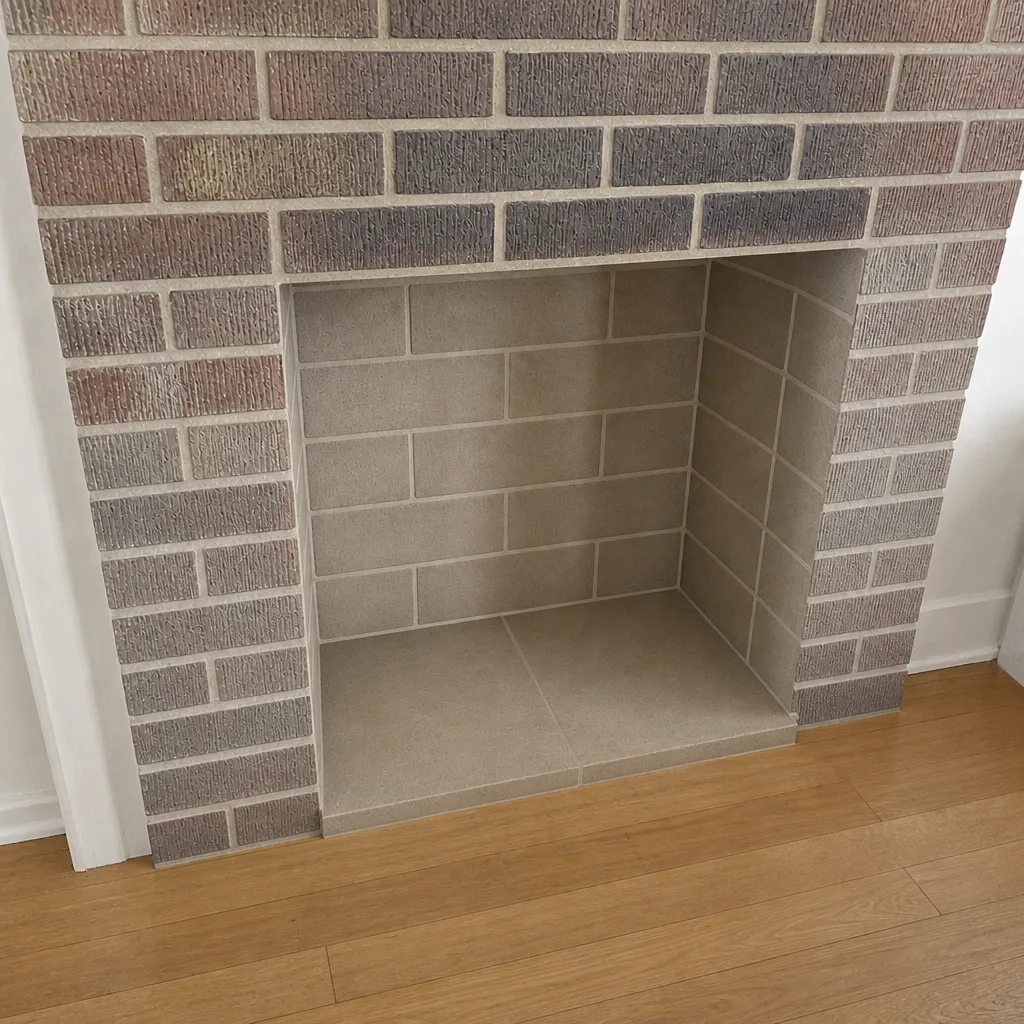
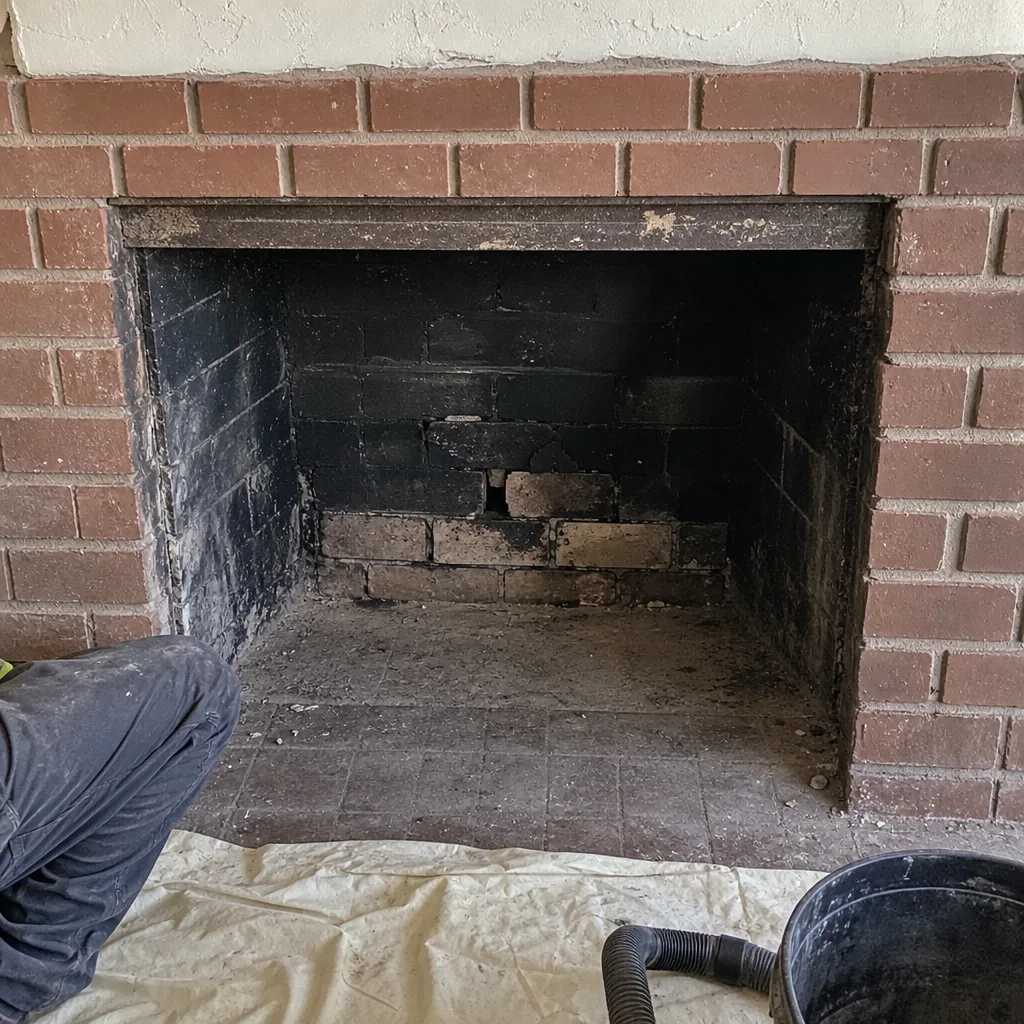
See the difference
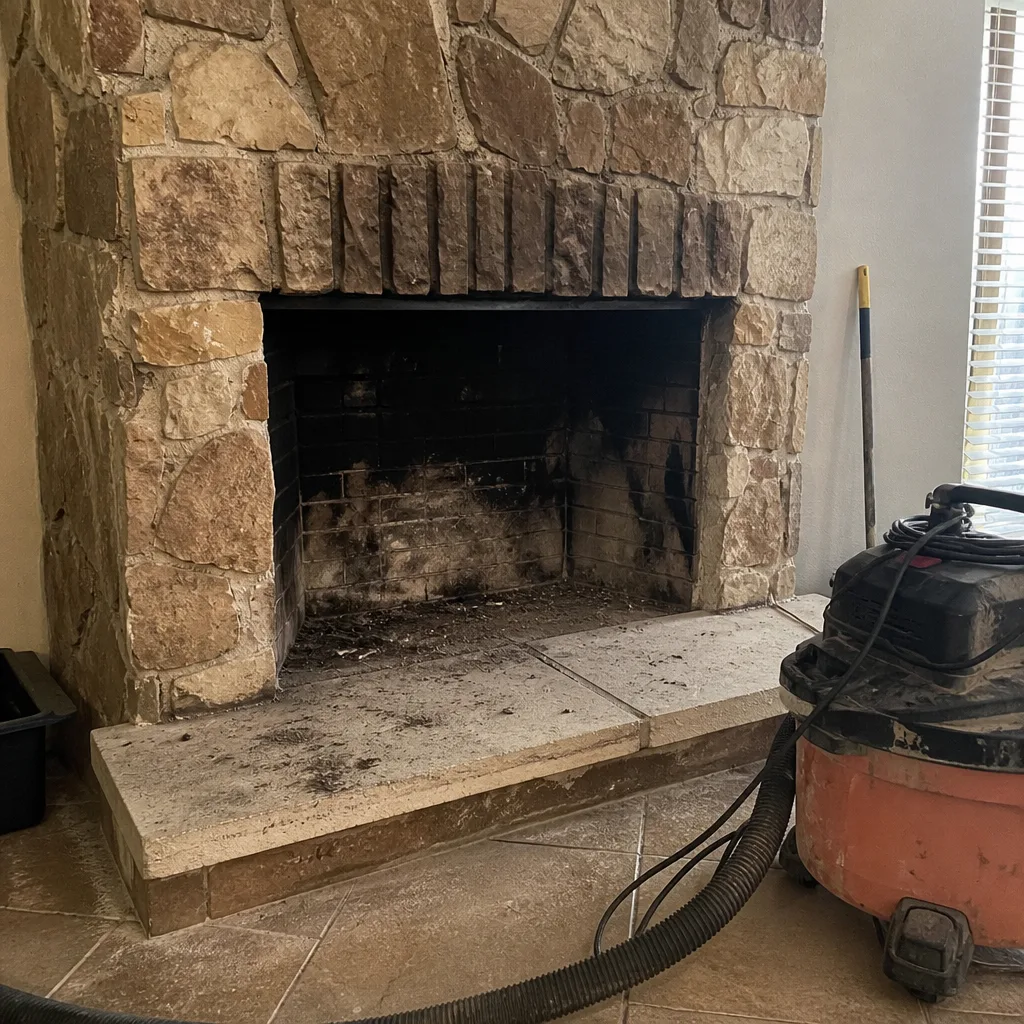 Before
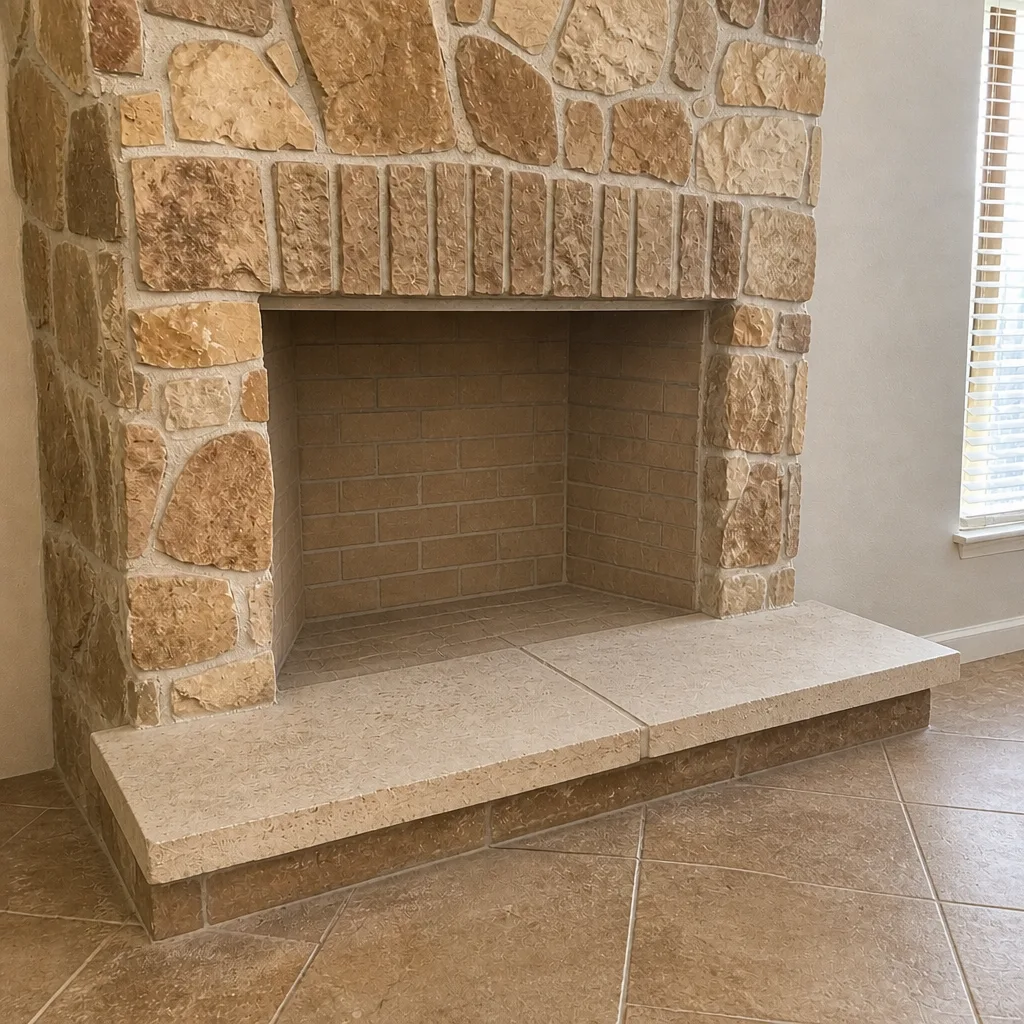 After
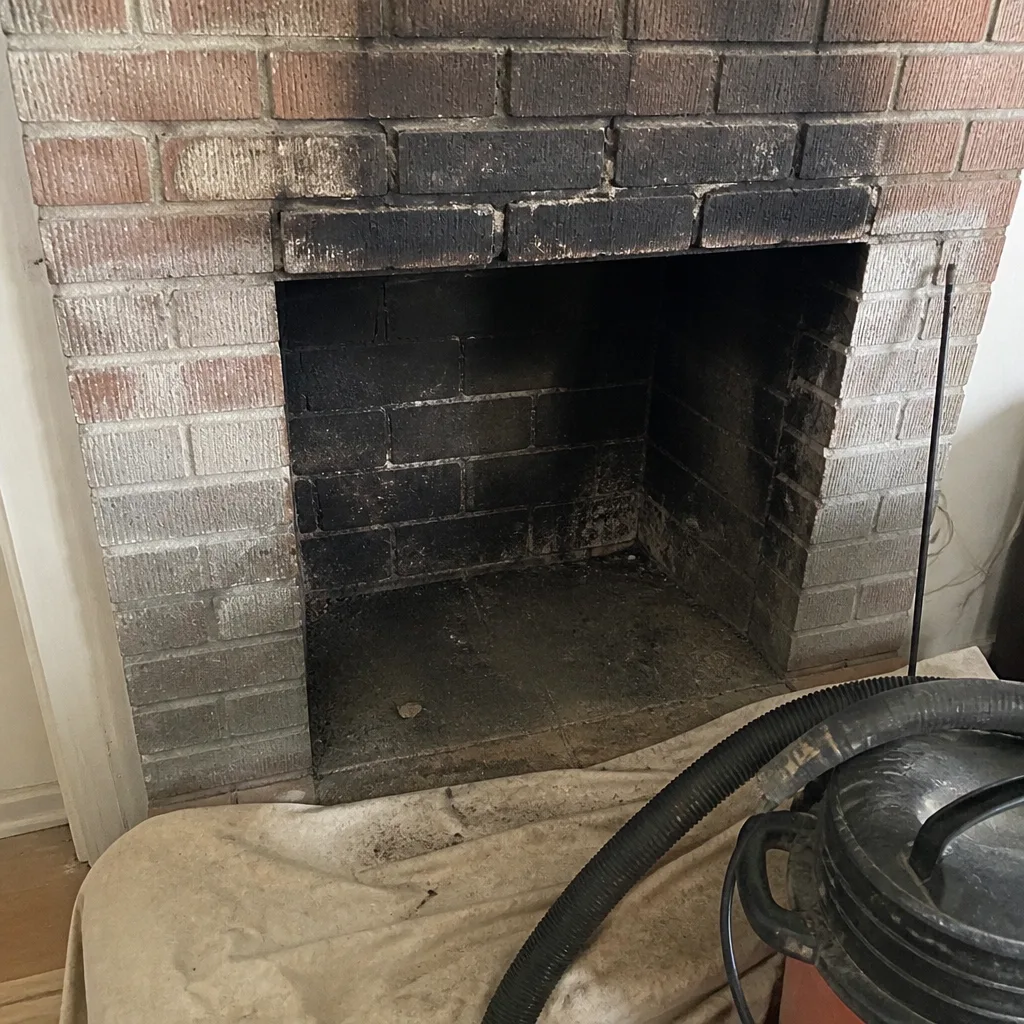 Before
 After
 Before
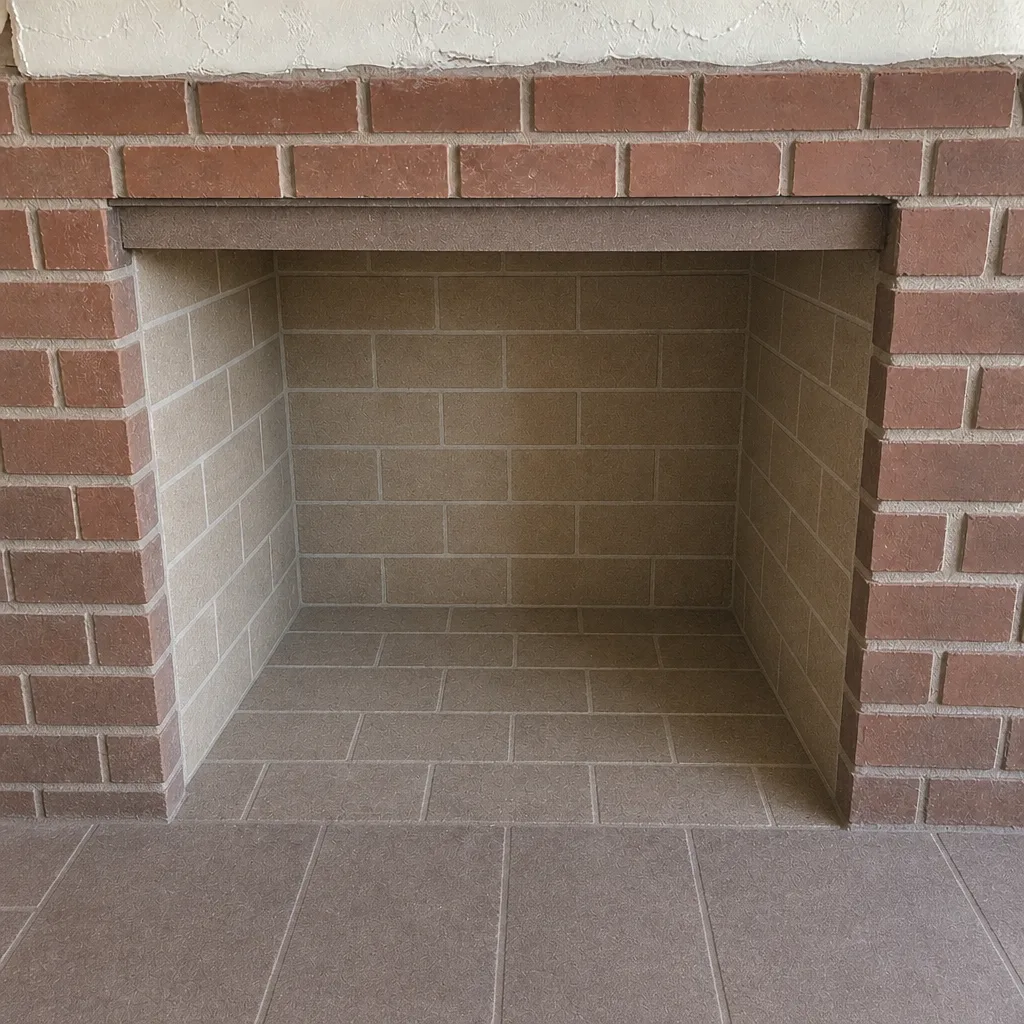 After
When to Call a Professional
Call a professional chimney specialist when the exterior check turns up a cracked crown, a loose cap, or missing flashing. Call when the damper won’t close, when smoke rolls back into the room, when the fire is hard to keep lit, or when you smell smoke in the house with no fire burning. Call before the first fire of the season if the chimney hasn’t been inspected since the last storm, and call after any chimney fire regardless of whether the fire department cleared the scene. Cape Coral Chimney Sweep offers free estimates in Cape Coral, with fast dispatch from 7am to 7pm, and the written estimate sets the price. Call (888) 247-9034. We answer 24/7.
Frequently Asked Questions
A basic chimney sweep for a standard wood-burning flue is typically in the range of $150 to $300, depending on the flue length, the amount of buildup, and whether a camera inspection is included. A full inspection with a photo report runs separately, and liner repairs or restorations are quoted per job by the written estimate. Call (888) 247-9034 for an exact quote. Estimates are free.
Only if a camera inspection shows the existing liner is cracked, breached, or has shifted at a connection, and that’s the point of the camera inspection. Nothing is recommended based on a guess. If the flue is intact and the damage is limited to cracks or joints, HeatShield restoration is often the right answer and it’s less expensive than a full liner replacement. If the report shows the liner has failed, then a flexible liner system like DuraFlex may be what’s needed. Call (888) 247-9034 for an exact quote. Estimates are free.
The general standard is once a year for a fireplace in regular use, and after any significant storm that may have introduced debris into the flue. If you haven’t used the fireplace in over a year, still get it inspected before lighting it, because damage and debris don’t wait for regular use. Call (888) 247-9034 for an exact quote. Estimates are free.
The worst case is a fire lit on top of a blocked flue or a cracked liner, which puts smoke and carbon monoxide into the living space instead of up the chimney. The other common outcome is water damage to the masonry from a cracked crown, which turns a small crown repair into a much larger rebuild. Neither problem is visible from the living room, and both are caught by a camera inspection. Call (888) 247-9034 for an exact quote. Estimates are free.
Only after a ground-level exterior check of the crown, the cap, the flashing, and the firebox, and only if none of those show damage. If the check turns up anything that concerns you, or if it’s been a year or more since the last inspection, don’t light the fire until a specialist has put a camera in the flue. Call (888) 247-9034 for an exact quote. Estimates are free.
Close the damper, walk the exterior from the ground with binoculars, and document what you see. If the crown, cap, flashing, or masonry look damaged, don’t light a fire until a professional clears it. If the exterior is intact, the next step is a chimney sweep and inspection before the first fire of the season, ideally before fall. Call (888) 247-9034 for an exact quote. Estimates are free.
The Bottom Line
Chimney emergency preparedness in Cape Coral is two things: the hour you spend before the storm closing the damper and securing the cap, and the inspection you book before the first fire. The rest is knowing what to do in the first 60 seconds if a chimney fire starts, which comes down to four steps: get out, call 911, close the glass doors, and leave the damper open. After the fire, don’t use the chimney again until a sweep has documented the damage with a camera. The one thing worth remembering across all of it: nothing is recommended to you without photo evidence you can see yourself, and a written estimate that says what the job will cost. That’s how a chimney specialist earns trust after a storm.
Cape Coral Chimney Sweep handles the full care cycle in one visit: Cape Coral Chimney Sweep sweeping, camera inspection, and repair with manufacturer-grade materials from brands like Olympia Chimney, Famco, Copperfield, and DuraFlex. When you need a chimney sweep in Cape Coral, call (888) 247-9034 for a free estimate. We answer 24/7. Fast dispatch from 7am to 7pm, Sunday through Friday.
Written by the team at Cape Coral Chimney Sweep.